
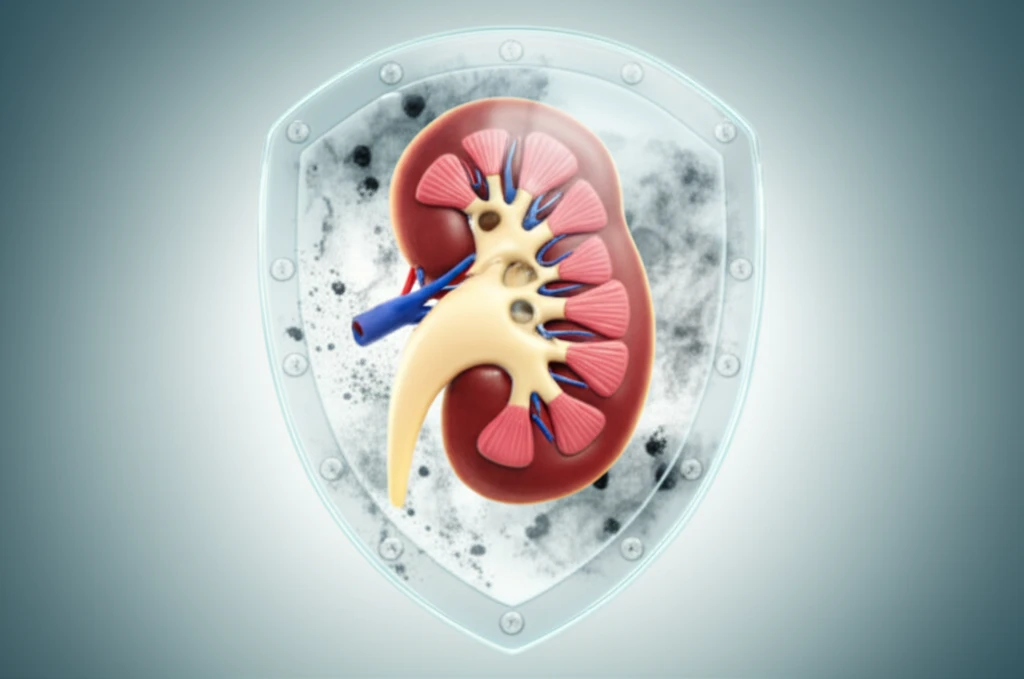
A surreal digital illustration depicting a kidney shielded from toxins, symbolizing kidney health and protection.

Unveiling the Silent Threat: How Everyday Toxins Damage Your Kidneys and What You Can Do

"Breaking Down the Science of Kidney Damage from Environmental Toxins and Aristolochic Acids, and the Steps You Can Take to Protect Yourself."


Kidneys, often working silently, are vital organs responsible for filtering waste, regulating blood pressure, and maintaining overall bodily balance. However, these essential organs are under constant threat from various sources, including environmental toxins and specific compounds found in certain plants. Understanding the dangers and taking proactive steps is crucial for maintaining kidney health and preventing potential long-term complications.

This article delves into the often-overlooked threats to kidney health, particularly focusing on the impact of environmental toxins and aristolochic acids. We'll explore the scientific research behind these threats, explain the mechanisms by which they damage kidneys, and offer practical advice on how you can protect your health.

Aristolochic acids, found in certain plants used in traditional medicine, are a significant concern. The article will discuss how exposure to these toxins can lead to severe kidney damage, including a condition known as aristolochic acid nephropathy. We'll also discuss the importance of being informed about potential risks and making informed choices about your health.

The Hidden Dangers: Environmental Toxins and Their Impact on Kidney Health

A surreal digital illustration depicting a kidney shielded from toxins, symbolizing kidney health and protection.

Our modern environment exposes us to a myriad of toxins. These substances can enter our bodies through various pathways, including the air we breathe, the food we eat, and the water we drink. While our kidneys are designed to filter out waste, they can be overwhelmed by prolonged exposure to high levels of toxins. This overload can lead to inflammation, damage to kidney cells, and impaired kidney function.

Some common environmental toxins that pose a risk to kidney health include heavy metals like lead and mercury, pesticides and herbicides used in agriculture, and certain chemicals found in household products. These substances can directly damage kidney cells, disrupt kidney function, and increase the risk of chronic kidney disease.

  • Heavy Metals: Lead and mercury can accumulate in the kidneys, causing cellular damage and impaired function.
  • Pesticides and Herbicides: Exposure to these chemicals can lead to kidney inflammation and increase the risk of kidney cancer.
  • Industrial Chemicals: Certain solvents and other industrial chemicals can directly damage kidney cells and disrupt kidney function.
Beyond environmental toxins, certain medications and substances can also harm the kidneys. Nonsteroidal anti-inflammatory drugs (NSAIDs), such as ibuprofen and naproxen, can be damaging when used regularly or in high doses. Similarly, excessive alcohol consumption can strain the kidneys, and certain recreational drugs can directly damage kidney cells. It's essential to be aware of these risks and take steps to minimize exposure.

Empowering Your Kidney Health: A Call to Action

Protecting your kidneys requires a proactive approach that involves awareness, informed choices, and lifestyle adjustments. By understanding the risks associated with environmental toxins and other harmful substances, you can take control of your health and reduce your risk of kidney damage. Regular check-ups, a balanced diet, and an active lifestyle can contribute to overall well-being and help your kidneys function optimally. Prioritizing your kidney health today is an investment in a healthier tomorrow.

About this Article -

This article was crafted using a human-AI hybrid and collaborative approach. AI assisted our team with initial drafting, research insights, identifying key questions, and image generation. Our human editors guided topic selection, defined the angle, structured the content, ensured factual accuracy and relevance, refined the tone, and conducted thorough editing to deliver helpful, high-quality information.See our About page for more information.

Everything You Need To Know

1

What are the primary functions of the kidneys that make them so vital to our health?

The kidneys are essential organs responsible for filtering waste products from the blood, regulating blood pressure, and maintaining the overall balance of fluids and electrolytes in the body. These functions are crucial for maintaining overall health and preventing the buildup of toxins. Failure in any of these functions can lead to severe health issues. Understanding these roles highlights the importance of protecting the kidneys from damage caused by environmental toxins and aristolochic acids.

2

How do environmental toxins typically enter our bodies, and what specific types of toxins pose the greatest risk to kidney health?

Environmental toxins can enter our bodies through various pathways, including the air we breathe, the food we eat, and the water we drink. Some of the most concerning environmental toxins for kidney health include heavy metals like lead and mercury, pesticides and herbicides used in agriculture, and certain industrial chemicals. These substances can directly damage kidney cells, disrupt kidney function, and increase the risk of chronic kidney disease. Minimizing exposure to these toxins is crucial for protecting kidney health.

3

What are aristolochic acids, and why are they considered a significant threat to kidney health?

Aristolochic acids are toxins found in certain plants, often used in traditional medicine. Exposure to these acids can lead to severe kidney damage, including a condition known as aristolochic acid nephropathy. This condition can cause rapid kidney failure and increase the risk of kidney cancer. Being informed about the potential risks associated with these acids and making informed choices about health practices is essential for preventing kidney damage.

4

Besides environmental toxins and aristolochic acids, what other substances or medications can negatively impact kidney function?

In addition to environmental toxins and aristolochic acids, several other substances can harm the kidneys. Nonsteroidal anti-inflammatory drugs (NSAIDs), such as ibuprofen and naproxen, can be damaging when used regularly or in high doses. Excessive alcohol consumption can strain the kidneys, and certain recreational drugs can directly damage kidney cells. Awareness of these risks and taking steps to minimize exposure are crucial for maintaining kidney health. Regular monitoring and consultation with healthcare professionals are recommended.

5

What are some proactive steps individuals can take to protect their kidneys from the harmful effects of toxins and maintain overall kidney health?

Protecting your kidneys involves a proactive approach, including awareness, informed choices, and lifestyle adjustments. Understanding the risks associated with environmental toxins and other harmful substances is the first step. Individuals can reduce their risk by minimizing exposure to toxins in their environment, making informed choices about medications and substances they consume, maintaining a balanced diet, staying hydrated, and engaging in regular physical activity. Regular check-ups and kidney function tests can also help detect early signs of kidney damage.

Newsletter Subscribe

Subscribe to get the latest articles and insights directly in your inbox.