
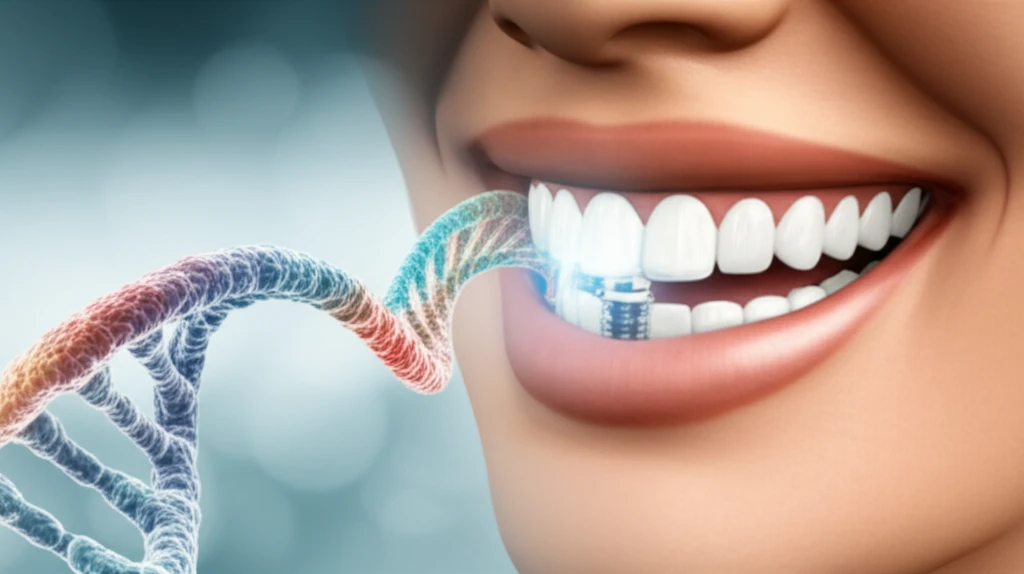
Illustration showing a DNA helix merging into a smiling mouth with a dental implant, symbolizing the connection between genetics and dental health.

Unveiling the Secrets Within: How Your Genes Influence Dental Health and Implant Success

"Delving into the fascinating world of genetics to understand how our DNA might hold the key to better dental outcomes and implant longevity."


We all know the importance of a healthy smile, not just for aesthetics but for overall well-being. But have you ever considered that your genes might play a significant role in the health of your teeth and the success of dental procedures? Recent research is uncovering the surprising ways our genetic makeup influences everything from our risk of gum disease to how well dental implants integrate with our jawbone. This article delves into the fascinating connection between genetics and dental health, offering insights into how your unique DNA could impact your oral health journey.

This journey starts with an examination of the lactotransferrin gene (LTF). This gene, plays a pivotal role in immune responses and inflammation, both of which are critical in dental health. Variations in the LTF gene can influence how your body responds to bacteria and infections, potentially affecting your susceptibility to issues like peri-implantitis (inflammation around dental implants) and even the success rate of dental implants. Understanding these genetic influences can empower you to make more informed decisions about your oral health.

This information comes from studies investigating the link between Lactotransferrin Gene (LTF) Polymorphisms and Dental Implant Loss. This groundbreaking research is essential because it begins to explain the genetic factors that can influence treatment outcomes in dental medicine. Armed with this knowledge, both dentists and patients can better understand their risks, develop tailored treatment plans, and improve the likelihood of long-term success.

Decoding the LTF Gene: What It Is and Why It Matters for Dental Health

Illustration showing a DNA helix merging into a smiling mouth with a dental implant, symbolizing the connection between genetics and dental health.

The lactotransferrin gene (LTF) is responsible for producing a protein called lactotransferrin. This protein is a multitasking champion in the body, with roles in the immune system, iron transport, and protection against bacterial infections. In the context of dental health, lactotransferrin is vital for maintaining a healthy oral environment. It has antimicrobial properties that help fight off harmful bacteria, and it also plays a role in regulating inflammation, which is crucial for preventing and managing gum disease.

Variations or polymorphisms in the LTF gene can lead to different versions of the lactotransferrin protein. These variations can influence the protein's effectiveness in its various roles. Some variations might make the protein less efficient at fighting bacteria or controlling inflammation. In contrast, other variations could enhance its protective effects. These genetic differences can help explain why some individuals are more prone to dental problems like gum disease, tooth decay, and even implant failure than others. The research mentioned in the original article provides evidence for the impact of LTF gene variations on implant success.

  • Immune Response: LTF influences how the body reacts to bacteria in the mouth.
  • Inflammation: Plays a key role in managing inflammation, a major factor in gum disease.
  • Implant Success: Variations in LTF may affect how well dental implants integrate with the jawbone.
By understanding the role of the LTF gene, we can begin to appreciate the complex interplay between our genes and our oral health. This knowledge can pave the way for personalized dental care. This involves genetic testing to assess an individual's risk factors and tailor treatment plans accordingly. It is an important step forward in dental medicine.

The Future of Dental Health: Genetics and Personalized Care

The research into the role of the LTF gene in dental health and implant success opens doors for a more personalized approach to dental care. As we continue to unravel the genetic factors that influence our oral health, we can look forward to more targeted prevention strategies, improved diagnostic tools, and more effective treatment options. This is an exciting frontier in dentistry, promising healthier smiles and improved quality of life for all.

About this Article -

This article was crafted using a human-AI hybrid and collaborative approach. AI assisted our team with initial drafting, research insights, identifying key questions, and image generation. Our human editors guided topic selection, defined the angle, structured the content, ensured factual accuracy and relevance, refined the tone, and conducted thorough editing to deliver helpful, high-quality information.See our About page for more information.

Everything You Need To Know

1

How does the lactotransferrin gene (LTF) affect dental implant success?

Variations in the lactotransferrin gene (LTF) can influence how the body responds to inflammation and bacteria around dental implants. Since LTF produces lactotransferrin, a protein crucial for immune response, certain LTF gene variations may lead to a less effective immune response, potentially increasing the risk of peri-implantitis and impacting how well dental implants integrate with the jawbone. The Lactotransferrin Gene (LTF) Polymorphisms and Dental Implant Loss study provides evidence of this connection.

2

What is lactotransferrin, and why is it important for maintaining healthy gums and teeth?

Lactotransferrin is a protein produced by the lactotransferrin gene (LTF). It is vital for maintaining a healthy oral environment due to its antimicrobial properties, which help combat harmful bacteria. Lactotransferrin also plays a key role in regulating inflammation, which is essential for preventing and managing gum disease. Insufficient lactotransferrin due to variations in the LTF gene can leave individuals more susceptible to dental problems.

3

Can genetic testing help improve dental care, and how might this personalized approach work?

Yes, genetic testing focusing on genes like the lactotransferrin gene (LTF) can enable a personalized approach to dental care. By identifying specific genetic variations that influence an individual's susceptibility to gum disease, tooth decay, or implant failure, dentists can tailor prevention strategies and treatment plans. For example, someone with an LTF gene variation that reduces the effectiveness of lactotransferrin might benefit from more frequent dental cleanings and targeted antimicrobial treatments. More research is needed, including other genes, to make more comprehensive personalized treatment plans.

4

Besides implant success, what other aspects of dental health are influenced by the lactotransferrin gene (LTF)?

The lactotransferrin gene (LTF) influences other aspects of dental health beyond just implant success. Because LTF produces lactotransferrin, which plays a critical role in the immune response and inflammation, variations in the LTF gene can affect an individual's overall susceptibility to gum disease and tooth decay. The effectiveness of the lactotransferrin protein in fighting bacteria and controlling inflammation directly impacts the health of the gums and teeth. Therefore, understanding variations in the LTF gene can help assess and manage these broader dental health risks.

5

How could understanding the role of genes like LTF revolutionize dental medicine in the future?

Understanding the role of genes like the lactotransferrin gene (LTF) has the potential to revolutionize dental medicine by enabling more targeted and effective treatments. Instead of a one-size-fits-all approach, dentists can tailor prevention strategies and treatment plans based on an individual's unique genetic makeup. This could lead to improved diagnostic tools, more precise interventions, and ultimately, healthier smiles and improved quality of life for patients. More studies are needed to understand not just the LTF gene, but other genes, to improve treatment and prevention.

Newsletter Subscribe

Subscribe to get the latest articles and insights directly in your inbox.