
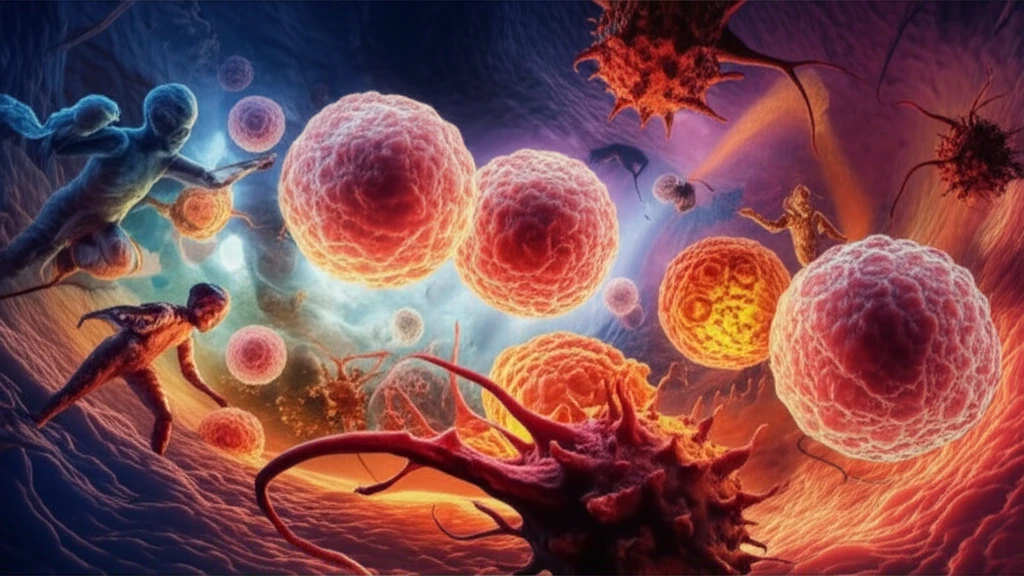
Illustration depicting the battle between antioxidants and endotoxins in the lungs.

Unveiling the Lung's Defenders: How Antioxidants Fight Back Against Endotoxins

"Exploring the Crucial Role of Antioxidants in Protecting Your Lungs from Harmful Toxins and Inflammation"


In the bustling landscape of our bodies, the lungs stand as vital hubs, constantly working to keep us breathing. They're like the unsung heroes, tirelessly filtering the air we need to survive. But what happens when these heroes face an unseen enemy? Endotoxins, sneaky invaders that trigger inflammation, can wreak havoc on our respiratory system. But, there's a silver lining: antioxidants, the body's own defenders, are ready to step in and fight back.

This article delves into the fascinating world of antioxidants and their critical role in safeguarding lung health. We'll explore how these molecular guardians wage war against endotoxins, those unwelcome guests that can lead to serious respiratory issues. By understanding this intricate battle, we can gain valuable insights into how to support our lungs and boost our overall well-being.

The study, 'Anti-oxidative activity of alveolar macrophages in endotoxemic rats,' provides a vital piece of this puzzle. It illuminates the intricate interplay between endotoxins, macrophages, and antioxidants, offering a glimpse into how our bodies naturally defend against harm. Let's dive in and discover the power of these microscopic heroes.

The Lung's Dynamic Duo: Endotoxins and Antioxidants

Illustration depicting the battle between antioxidants and endotoxins in the lungs.

To understand how antioxidants work, let's first meet the enemy: endotoxins. These toxic substances, often produced by bacteria, can trigger a cascade of inflammatory responses in the body. When endotoxins invade the lungs, they can lead to conditions like pneumonia and acute respiratory distress syndrome (ARDS). The lungs, with their delicate structures, are particularly vulnerable to these attacks.

Enter the heroes: antioxidants. These are naturally occurring compounds that neutralize harmful molecules known as free radicals. Free radicals, like the ones produced during inflammation, can damage cells and tissues. Antioxidants act as scavengers, disarming these threats and protecting our cells from harm. They are found in various foods we eat.

  • Macrophages: These are immune cells that patrol the lungs, engulfing and destroying pathogens and cellular debris.
  • Superoxide Dismutase (SOD): An antioxidant enzyme that converts harmful superoxide radicals into less harmful substances.
  • Oxidative Stress: An imbalance between the production of free radicals and the body's ability to neutralize them.
  • Endotoxemia: The presence of endotoxins in the bloodstream, triggering a systemic inflammatory response.
In the intricate dance between endotoxins and antioxidants, balance is key. While endotoxins can trigger inflammation, antioxidants work to keep the response in check. The balance, however, can tip when the body is overwhelmed by toxins, leading to oxidative stress and damage. This is where research, like the study mentioned earlier, becomes critical in finding ways to support our bodies' natural defenses.

Empowering Your Lungs: Strategies for Supporting Antioxidant Defense

The journey to lung health is an ongoing one. While the body has its own internal defense mechanisms, including antioxidants, we can further support this defense through lifestyle choices. A diet rich in antioxidant-packed fruits, vegetables, and whole foods provides the building blocks for a strong defense. Regular exercise, adequate sleep, and minimizing exposure to pollutants also contribute to lung well-being. By making conscious choices, we can fortify our lungs and help them thrive in a world where they're constantly on the front lines.

About this Article -

This article was crafted using a human-AI hybrid and collaborative approach. AI assisted our team with initial drafting, research insights, identifying key questions, and image generation. Our human editors guided topic selection, defined the angle, structured the content, ensured factual accuracy and relevance, refined the tone, and conducted thorough editing to deliver helpful, high-quality information.See our About page for more information.

This article is based on research published under:

DOI-LINK: 10.1590/s0100-736x2010000400013, Alternate LINK

Title: Atividade Antioxidante De Macrófagos Alveolares Em Ratos Endotoxêmicos

Subject: General Veterinary

Journal: Pesquisa Veterinária Brasileira

Publisher: FapUNIFESP (SciELO)

Authors: Juliana Félix De Melo, Érika M. Correia De Macedo, Rebecca P. Paes Silva, Marcelo Tavares Viana, Wylla T. Ferreira E Silva, Célia M.M. Barbosa De Castro

Published: 2010-04-01

Everything You Need To Know

1

What are endotoxins and how do they affect lung health?

Endotoxins are toxic substances, often produced by bacteria, that can trigger inflammatory responses in the body. When endotoxins invade the lungs, they can lead to conditions like pneumonia and acute respiratory distress syndrome (ARDS). The delicate structures of the lungs make them particularly vulnerable to damage from these attacks.

2

How do antioxidants protect the lungs from damage?

Antioxidants neutralize harmful molecules known as free radicals, which can damage cells and tissues. Free radicals are produced during inflammation caused by endotoxins. Antioxidants act as scavengers, disarming these threats and protecting lung cells from harm. Superoxide Dismutase (SOD) is one such antioxidant enzyme, converting harmful superoxide radicals into less harmful substances.

3

What is oxidative stress, and how is it related to endotoxins and antioxidants?

Oxidative stress is an imbalance between the production of free radicals and the body's ability to neutralize them with antioxidants. When the body is overwhelmed by endotoxins, it can lead to excessive inflammation and free radical production, tipping the balance and causing oxidative stress. This imbalance can damage lung tissues and impair their function. Maintaining a balance is key, and research is critical in finding ways to support the body’s natural defenses.

4

What role do macrophages play in defending the lungs against endotoxins?

Macrophages are immune cells that patrol the lungs, engulfing and destroying pathogens and cellular debris, including endotoxins. They are a first line of defense, working to remove harmful substances and prevent inflammation from escalating. The study, 'Anti-oxidative activity of alveolar macrophages in endotoxemic rats,' illuminates the intricate interplay between endotoxins, macrophages, and antioxidants, offering a glimpse into how our bodies naturally defend against harm.

5

Beyond the body's natural defenses, what lifestyle choices can support antioxidant defense and lung health?

Several lifestyle choices can bolster antioxidant defenses. A diet rich in antioxidant-packed fruits, vegetables, and whole foods provides the building blocks for a strong defense. Regular exercise, adequate sleep, and minimizing exposure to pollutants also contribute to lung well-being. These conscious choices can fortify the lungs, helping them thrive by improving overall well-being.

Newsletter Subscribe

Subscribe to get the latest articles and insights directly in your inbox.