
Unresolved Trauma and Dementia: Is There a Connection?

"Exploring the emotional roots of memory loss in aging adults."
The complexities of dementia have long puzzled researchers and caregivers alike. While genetics and lifestyle factors are known to contribute, emerging evidence suggests that emotional trauma may also play a significant role. A compelling documentary, 'My Father's House, A Journey of Love and Memory,' delves into this potential connection, offering a poignant exploration of one man's battle with Alzheimer's disease.
The film centers on Dr. Peter Reimann, an 89-year-old German native diagnosed with Alzheimer's. Through intimate interviews and musical interludes with his daughter, Hannah, the film uncovers a life marked by both joy and profound loss. The death of Dr. Reimann's wife years prior, in a tragic accident, is presented as a possible trigger for his cognitive decline, sparking a larger conversation about the impact of unresolved trauma on the aging brain.
This article will explore the questions raised by 'My Father's House' regarding the potential link between emotional trauma and dementia, and highlighting the implications for how we understand and care for individuals affected by this debilitating condition.
The Crow's Shadow: Trauma and Memory
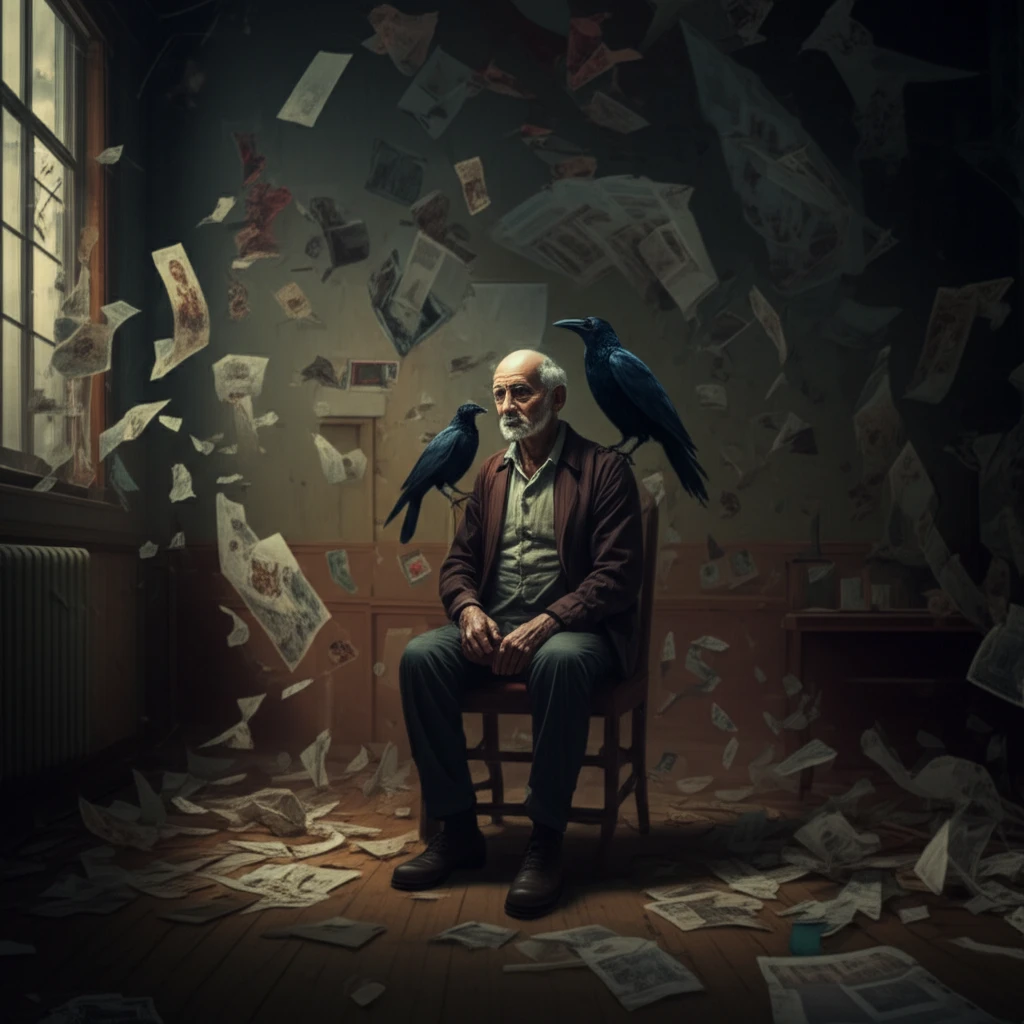
In German folklore, the black bird (crow or raven) carries a dark omen, symbolizing a psychological distress. Dr. Reimann even mentioned that the crow is pulling him away from the real world, which represents his loss in South Africa.
- Late-life depression is a well-known risk factor for cognitive decline.
- Decades of unresolved psychological distress can affect mental state.
- Obsessive 'life review' and an inability to reconcile with past trauma may lead to a neuropathological outcome.
A New Lens on Dementia Care
'My Father's House' doesn't offer definitive answers, but it opens up an important dialogue. It reminds us that dementia is not solely a biological process but also a deeply personal experience shaped by a lifetime of memories, emotions, and relationships.
Burnes and Burnette (2013) suggest that it is important to consider trauma and posttraumatic stress disorder as psychosocial risk factors for the development of Alzheimer's. Biopsychosocial approach that includes traumatic life events with AD can provide a new approach and care models.
By acknowledging the potential role of trauma, we can move towards more holistic and compassionate approaches to dementia care, ones that prioritize emotional well-being and provide support for individuals grappling with unresolved grief and loss. Further research is needed to fully understand the complex interplay between trauma and cognitive decline, 'My Father's House' serves as a powerful reminder of the human element at the heart of this challenging condition.