
Unraveling the Mystery: Prion Diseases, the Silent Threat to the Brain

"From Mad Cow to Fatal Insomnia: Understanding Prion Diseases and Their Impact"
Imagine a disease that can silently and stealthily destroy the brain, leaving behind a trail of cognitive decline, motor dysfunction, and, ultimately, death. This is the reality of prion diseases, a group of rare but relentlessly progressive neurodegenerative disorders that affect humans and animals alike. Unlike diseases caused by viruses or bacteria, prion diseases are caused by misfolded proteins that can trigger a chain reaction, leading to widespread damage in the nervous system.
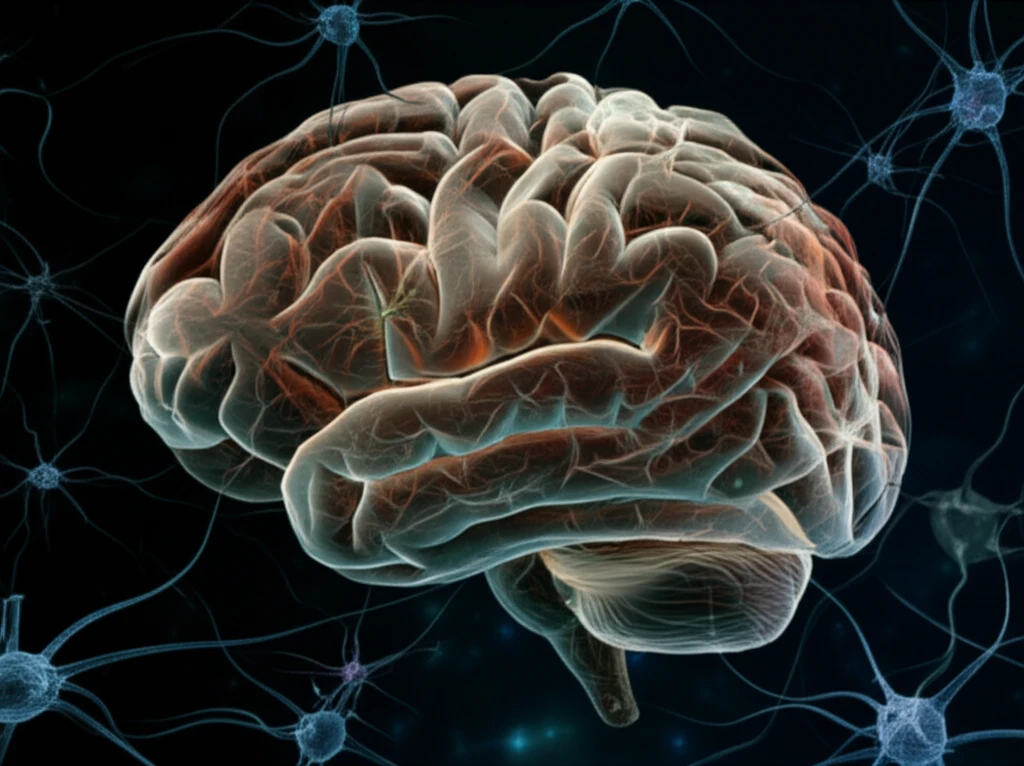
The term 'prion' comes from 'proteinaceous infectious particle,' and it perfectly encapsulates the nature of these agents. Prions are essentially misfolded versions of normal proteins found in the brain. When these rogue proteins come into contact with their healthy counterparts, they cause them to misfold as well, leading to the accumulation of abnormal protein aggregates and the destruction of brain cells. This process results in a characteristic spongy appearance of the brain, a hallmark of these diseases.
In this article, we will embark on a journey to understand the intricate world of prion diseases. We will explore the different types of prion diseases, their causes, symptoms, and the latest advancements in research. From the infamous mad cow disease to the tragic fatal familial insomnia, we will uncover the mysteries surrounding these devastating conditions. Understanding the science behind prions is crucial for developing effective strategies to diagnose, treat, and ultimately, prevent these diseases.
What are Prion Diseases? The Science of Misfolded Proteins
At the heart of prion diseases lies a fascinating, yet unsettling, phenomenon: the misfolding of proteins. Proteins are essential molecules that perform a vast array of functions in the body, and their proper structure is critical for their function. Prion proteins, specifically, are found in the brain tissue of all mammals. However, when these proteins misfold, they become prions – infectious agents that trigger a cascade of events leading to neurodegeneration.
- PrPC (Cellular Prion Protein): The normal, healthy form of the prion protein found in the brain.
- PrPSc (Scrapie Prion Protein): The misfolded, infectious form of the prion protein that causes disease.
- Misfolding and Aggregation: The process by which normal prion proteins are converted into prions, leading to the formation of protein aggregates.
- Neurodegeneration: The progressive loss of nerve cells in the brain, resulting in the symptoms of prion diseases.
The Future of Prion Disease Research
The field of prion disease research is continually evolving, with scientists making significant strides in understanding these complex disorders. From uncovering the intricate mechanisms of prion propagation to developing potential therapies, there is hope for the future. While there is currently no cure for prion diseases, ongoing research offers promise for early diagnosis, disease-modifying treatments, and even preventive measures. As we continue to unravel the mysteries of prions, we move closer to a world where these devastating diseases can be effectively managed and, one day, eradicated.