
Unraveling Linear and Whorled Nevoid Hypermelanosis: A Rare Skin Mystery

"Delving into a unique case of Linear and Whorled Nevoid Hypermelanosis (LWNH) linked with hyper-IgE syndrome, shedding light on diagnosis, genetic factors, and related health concerns."
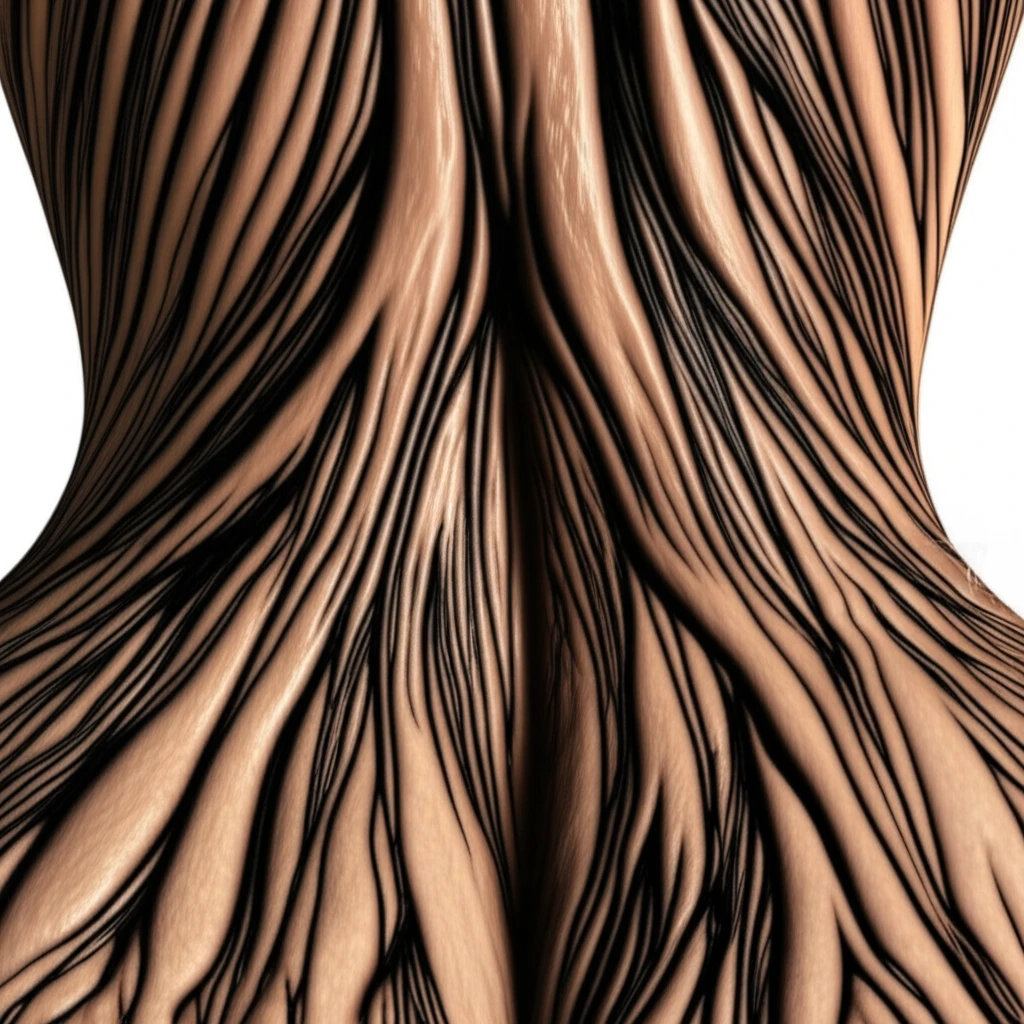
Have you ever noticed unusual patterns on your skin that seem to swirl and follow distinct lines? This might be a sign of a rare condition called Linear and Whorled Nevoid Hypermelanosis (LWNH). LWNH is a unique skin disorder characterized by areas of increased pigmentation that follow a specific pattern known as Blaschko lines. These lines represent the pathways of skin cell development during embryonic growth.
First identified in 1988, only about 50 cases of LWNH have been documented worldwide. What makes this condition particularly intriguing is its potential association with other congenital disabilities and underlying genetic mosaicism, where different cells in the body have different genetic makeups. Diagnosing LWNH relies heavily on recognizing its characteristic clinical appearance and confirming it with a detailed histopathological examination of the skin.
This article aims to unravel the mysteries surrounding LWNH, exploring its diagnosis, potential genetic links, and associated health considerations. We'll delve into a recent case study that highlights the complexities of LWNH and its connection to hyper-IgE syndrome, an immune disorder. Whether you're a healthcare professional, a patient, or simply curious about rare skin conditions, this guide provides valuable insights into LWNH and its management.
What are the Signs and Symptoms of LWNH?
Linear and Whorled Nevoid Hypermelanosis (LWNH) presents with distinctive skin markings that are usually noticeable in infancy or early childhood. The primary characteristic is hyperpigmentation, meaning areas of the skin become darker than the surrounding skin. These darker patches appear as streaks or swirls that follow Blaschko lines, creating unique patterns on the body.
- Nervous system abnormalities
- Cardiovascular defects
- Skeletal system irregularities
- Ocular (eye) anomalies
Living with LWNH: What to Keep in Mind
While Linear and Whorled Nevoid Hypermelanosis (LWNH) itself may not pose a direct threat to physical health, its potential association with other congenital defects and underlying genetic conditions means that comprehensive medical evaluation and ongoing monitoring are essential. The diagnostic and therapeutic challenge lies in identifying and addressing any comorbidities that may arise. Early detection and management of associated health issues can significantly improve the quality of life for individuals with LWNH.