
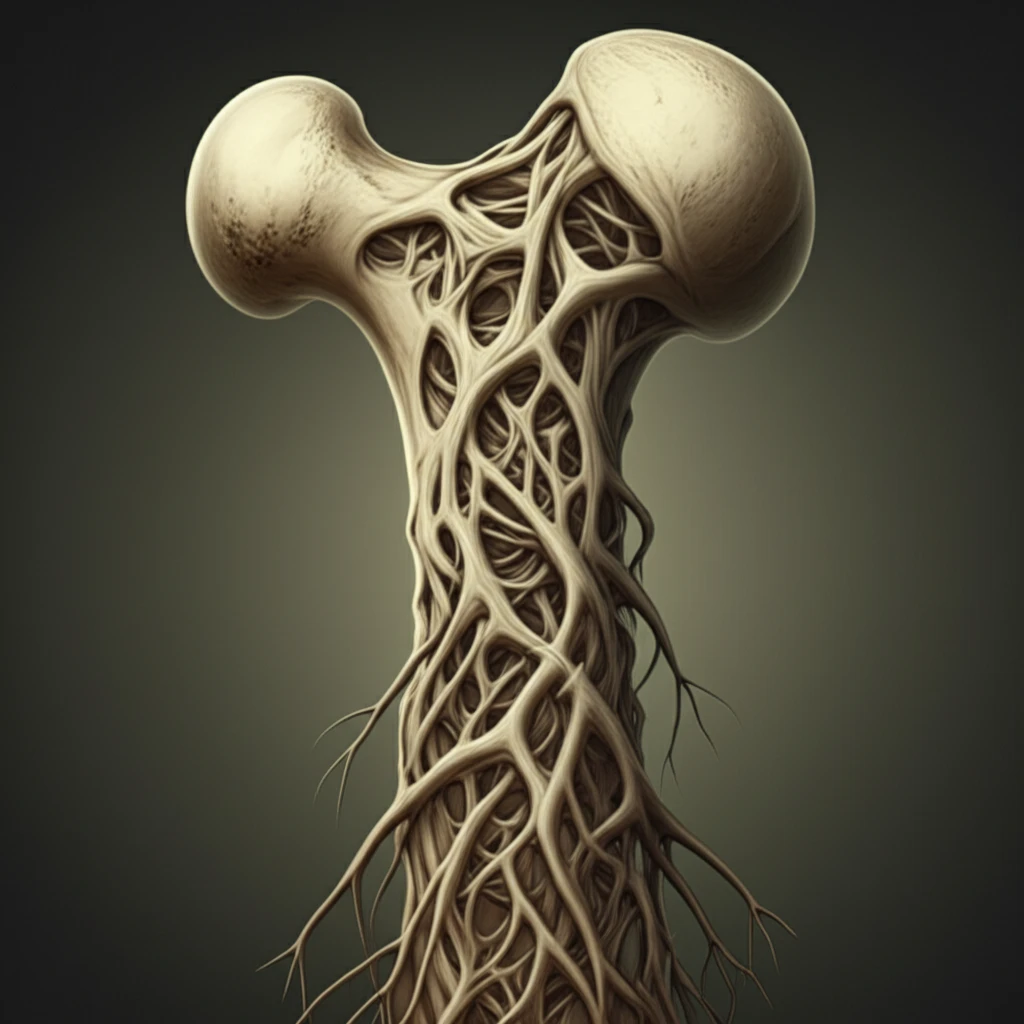
Illustration of bone structure interwoven with tree roots, symbolizing growth and connection.

Unraveling Giant Bone Growths: Understanding Exostoses

"A closer look at exostoses, those unexpected bone formations that can emerge and how to manage them."


Exostoses, also known as bone spurs or osteochondromas, are bony growths that develop on the surface of bones. These formations are typically covered by cartilage, a smooth tissue that cushions joints and facilitates movement. Exostoses are generally benign (non-cancerous) and can occur in various parts of the body, with a predilection for long bones, such as those in the legs and arms.

While exostoses are often asymptomatic and discovered incidentally during imaging for other conditions, they can sometimes cause pain, discomfort, or limited range of motion. These symptoms depend on the size, location, and proximity to nearby structures, such as nerves, tendons, and blood vessels. Understanding the nature, causes, and management of exostoses is crucial for effective diagnosis and treatment.

This article delves into the world of exostoses, exploring their formation, symptoms, diagnostic approaches, and available treatment options. Whether you're seeking information for yourself or a loved one, this comprehensive guide aims to provide valuable insights into understanding and managing these bony growths.

What Causes Bone Exostoses?

Illustration of bone structure interwoven with tree roots, symbolizing growth and connection.

The exact cause of exostoses is not always clear, but several factors are believed to contribute to their development. These include:

Exostoses often develop near the metaphysis, the wider part of the bone near the growth plate (physis), particularly during periods of rapid bone growth. The underlying cause is the displacement of a piece of growing cartilage.

  • Genetics: Some individuals may be predisposed to developing exostoses due to inherited genetic factors. Hereditary Multiple Exostoses (HME) is a genetic condition characterized by the development of multiple exostoses throughout the body.
  • Trauma or Injury: Repetitive trauma or injury to a bone may stimulate the formation of exostoses at the site of injury. This is seen specially with athletes.
  • Underlying Medical Conditions: Certain medical conditions, such as osteochondromatosis (multiple exostoses), can increase the risk of developing exostoses.
  • Cartilage cap: Because exostoses are covered in cartilage, they can develop when the cartilage detaches and grows on the surface of the bone.
In many cases, exostoses are discovered incidentally during routine imaging studies or when evaluating other medical conditions. However, when exostoses become symptomatic, they can manifest in various ways.

When to Seek Medical Attention for Bone Exostoses

While most exostoses are benign and may not require treatment, it's important to seek medical attention if you experience any of the following:

About this Article -

This article was crafted using a human-AI hybrid and collaborative approach. AI assisted our team with initial drafting, research insights, identifying key questions, and image generation. Our human editors guided topic selection, defined the angle, structured the content, ensured factual accuracy and relevance, refined the tone, and conducted thorough editing to deliver helpful, high-quality information.See our About page for more information.

Everything You Need To Know

1

What exactly are exostoses?

Exostoses, also known as bone spurs or osteochondromas, are benign bony growths that develop on the surface of bones. These formations are typically covered by cartilage, which is a smooth tissue that cushions joints and facilitates movement. While often asymptomatic, they can cause pain or restrict movement depending on their size and location.

2

Why are exostoses important?

Exostoses are significant because they highlight the body's response to various factors such as genetics, trauma, and underlying conditions. The study of exostoses aids in understanding bone growth, the effects of injuries, and the impact of genetic predispositions. They can cause discomfort or restrict movement when they press on nerves, tendons, or blood vessels, necessitating medical attention and potentially treatment.

3

What causes bone exostoses?

The exact cause of exostoses isn't always clear, but genetics, trauma, and underlying medical conditions play a role. Hereditary Multiple Exostoses (HME) is a genetic condition where multiple exostoses develop. Trauma or injury to a bone may stimulate the formation of exostoses. Certain conditions, such as osteochondromatosis, increase the risk as well. Moreover, cartilage can detach and grow on the bone's surface creating an exostosis.

4

When should someone be concerned about an exostosis?

While many exostoses are asymptomatic and discovered during imaging for other issues, some can cause pain, discomfort, or restricted movement. These symptoms depend on the size, location, and proximity of the exostosis to nerves, tendons, and blood vessels. If you experience these symptoms, you should seek medical attention. If you have a visible bump or lump on your bone, or if you experience neurological symptoms such as numbness or tingling, you should seek medical attention as well.

5

How are exostoses treated?

The primary treatment options for exostoses include observation, medication, and, in some cases, surgical removal. Observation is suitable for asymptomatic exostoses. Pain can be managed with medications. Surgery is considered if the exostoses cause significant pain, restrict movement, or compress nearby structures. The choice of treatment depends on the individual's specific circumstances, the severity of symptoms, and the overall health condition.

Newsletter Subscribe

Subscribe to get the latest articles and insights directly in your inbox.