
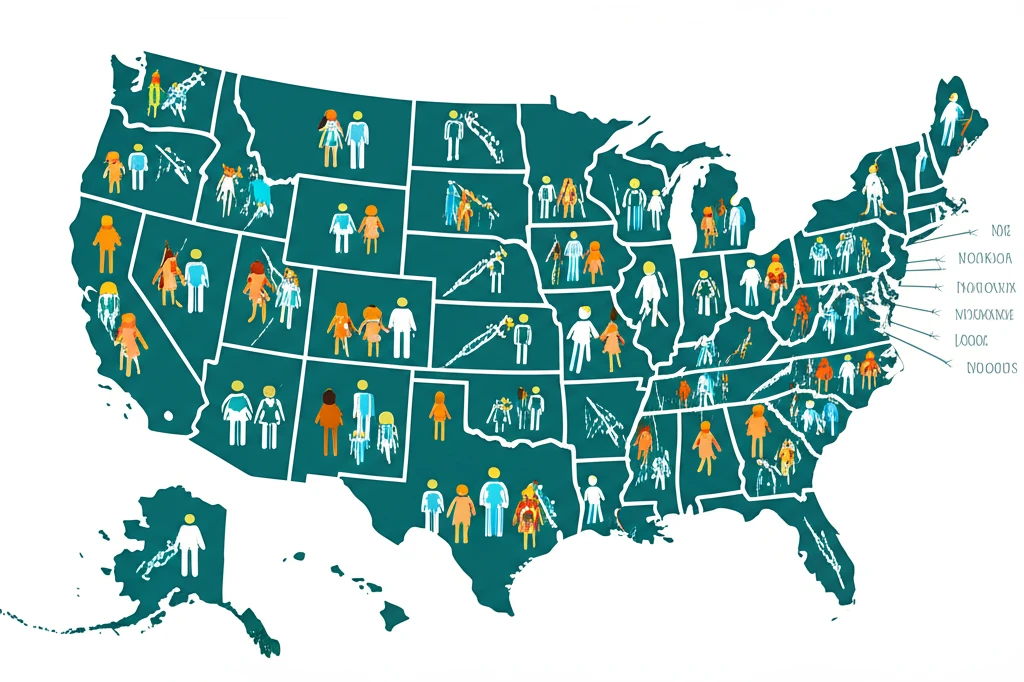
Digital illustration of a map of the United States highlighting areas with high rates of nonmedical vaccine exemptions.

Unmasking the Anti-Vax Movement: What the Data Reveals About Vaccine Exemptions and Public Health

"A Deep Dive into Nonmedical Exemptions, Hotspots, and the Ongoing Battle Against Vaccine Hesitancy."


In a world grappling with health crises and scientific advancements, the debate around vaccines remains a persistent challenge. This article revisits a comprehensive study, "The state of the antivaccine movement in the United States: A focused examination of nonmedical exemptions in states and counties," originally published in PLOS Medicine. This analysis provides critical insights into the ongoing battle against vaccine hesitancy and its potential impact on public health, especially within specific communities.

Vaccine hesitancy isn't just a matter of personal choice; it's a complex issue with far-reaching consequences for public health. As the medical community continues to emphasize the safety and efficacy of vaccines, understanding the factors that contribute to vaccine refusal becomes increasingly important. This article examines the data, trends, and potential implications of nonmedical exemptions (NMEs) across the United States, focusing on key areas where vaccine hesitancy poses a significant risk.

The information presented here serves as a starting point for a deeper understanding of vaccine hesitancy. By exploring the data, trends, and potential implications, readers can gain a more informed perspective on this complex issue. Let's explore the key findings, analyze the implications, and consider the path forward in this critical area of public health.

Unpacking the Data: Key Findings on Nonmedical Exemptions

Digital illustration of a map of the United States highlighting areas with high rates of nonmedical vaccine exemptions.

The original study identified significant trends in nonmedical exemptions (NMEs) across the United States. The data revealed a rise in philosophical-belief exemptions in several states, specifically those allowing this policy. This rise suggests an increase in vaccine hesitancy among certain populations. Understanding these trends is crucial for public health professionals to identify areas of concern and implement targeted interventions.

The study highlights specific metropolitan areas where high numbers of NMEs exist, creating 'hotspots' of potential vulnerability. These areas include major cities and counties across the country, from the Northwest to the Southwest and the Midwest. It's important to note that these numbers can fluctuate based on population size, so the percentages are important. As an example, these are the rates of NMEs in the leading metropolitan areas:

  • Maricopa County, Arizona: 2,947 NMEs.
  • Salt Lake County, Utah: 956 NMEs.
  • King County, Washington: 940 NMEs.
  • Multnomah County, Oregon: 711 NMEs.
  • Oakland County, Michigan: 686 NMEs.
These findings underscore the importance of focusing public health efforts on these areas. By targeting educational campaigns, improving access to vaccination, and addressing the root causes of vaccine hesitancy, communities can work toward higher vaccination rates. These efforts require a multi-faceted approach involving healthcare providers, educators, community leaders, and policymakers.

Moving Forward: Addressing Vaccine Hesitancy and Protecting Public Health

This analysis serves as a reminder that protecting public health requires ongoing vigilance, data-driven strategies, and a commitment to evidence-based practices. It's a complex issue, but by working together, we can strive toward a healthier and safer future for all. This includes accurate information and resources for families to promote informed decision-making and community well-being.

About this Article -

This article was crafted using a human-AI hybrid and collaborative approach. AI assisted our team with initial drafting, research insights, identifying key questions, and image generation. Our human editors guided topic selection, defined the angle, structured the content, ensured factual accuracy and relevance, refined the tone, and conducted thorough editing to deliver helpful, high-quality information.See our About page for more information.

This article is based on research published under:

DOI-LINK: 10.1371/journal.pmed.1002616, Alternate LINK

Title: Correction: The State Of The Antivaccine Movement In The United States: A Focused Examination Of Nonmedical Exemptions In States And Counties

Subject: General Medicine

Journal: PLOS Medicine

Publisher: Public Library of Science (PLoS)

Authors: Jacqueline K. Olive, Peter J. Hotez, Ashish Damania, Melissa S. Nolan

Published: 2018-07-06

Everything You Need To Know

1

What are nonmedical exemptions (NMEs) and why are they a concern for public health?

Nonmedical exemptions (NMEs) are exemptions from mandatory vaccination requirements based on philosophical or religious beliefs, rather than medical reasons. They are a concern because an increase in NMEs can lower overall vaccination rates within communities. When vaccination rates decline, it reduces herd immunity, making populations more vulnerable to outbreaks of vaccine-preventable diseases. This endangers individuals who cannot be vaccinated due to medical conditions, as well as the general public.

2

Which geographical areas in the United States exhibit high rates of nonmedical exemptions (NMEs)?

Several metropolitan areas across the United States have been identified as having high rates of nonmedical exemptions (NMEs). These "hotspots" include Maricopa County in Arizona, Salt Lake County in Utah, King County in Washington, Multnomah County in Oregon, and Oakland County in Michigan. These areas may be particularly vulnerable to outbreaks of vaccine-preventable diseases due to lower community immunity.

3

How does the rise in philosophical-belief exemptions impact public health?

The rise in philosophical-belief exemptions, which are a type of nonmedical exemption (NME), directly correlates with an increase in vaccine hesitancy. This hesitancy leads to lower vaccination rates. When fewer people are vaccinated, herd immunity decreases, and the risk of outbreaks for diseases like measles, mumps, and pertussis increases. This can overwhelm healthcare systems, disproportionately affect vulnerable populations, and lead to preventable illnesses, disabilities, and even death.

4

What strategies can public health officials and communities use to address vaccine hesitancy and improve vaccination rates?

Addressing vaccine hesitancy requires a multi-faceted approach. Public health officials and communities can implement targeted educational campaigns to provide accurate information about vaccine safety and efficacy. They can also improve access to vaccinations by establishing convenient and affordable vaccination clinics. Furthermore, it's crucial to engage with community leaders, healthcare providers, and policymakers to address the root causes of vaccine hesitancy and build trust in vaccination programs. Data-driven strategies, focusing on areas with high NMEs, are essential for effective intervention.

5

What are the long-term implications for communities with persistently high rates of nonmedical exemptions (NMEs)?

Communities with consistently high rates of nonmedical exemptions (NMEs) face several long-term implications. They are at a higher risk of experiencing outbreaks of vaccine-preventable diseases, which can lead to increased healthcare costs, strain on medical resources, and potential loss of productivity. Furthermore, persistent outbreaks can erode public trust in health institutions and negatively impact the community's overall well-being and reputation. These communities might also face challenges in attracting new residents and businesses due to concerns about public health safety.

Newsletter Subscribe

Subscribe to get the latest articles and insights directly in your inbox.