
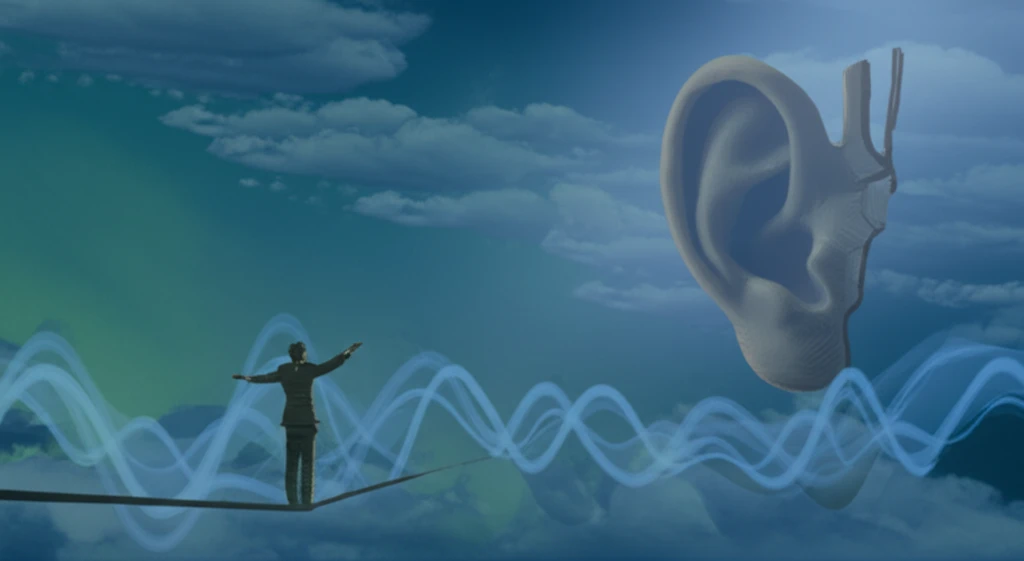
Surreal illustration of balance disrupted by sound for Superior Semicircular Canal Dehiscence Syndrome.

Unmasking Superior Semicircular Canal Dehiscence Syndrome: A Comprehensive Guide

"Navigating the complexities of SCDS: from diagnosis and innovative treatments to reclaim your balance and hearing."


Imagine a world where everyday sounds trigger dizziness, where your own voice booms inside your head, and where simple movements throw you off balance. This is the reality for individuals living with Superior Semicircular Canal Dehiscence Syndrome (SCDS), a condition that disrupts the delicate mechanics of the inner ear.

SCDS occurs when there is an abnormal thinning or complete absence (dehiscence) of the bone overlying the superior semicircular canal, one of the key structures responsible for maintaining balance. This creates a 'third window' in the inner ear, disrupting the normal pressure dynamics and leading to a constellation of unusual and often debilitating symptoms.

While SCDS was first identified in 1998, its diagnosis and treatment have seen significant advancements. This article delves into the intricacies of SCDS, providing a comprehensive overview of its symptoms, diagnostic methods, and the latest treatment options available to help you regain control of your balance and hearing.

Decoding the Symptoms of SCDS: What to Watch For

Surreal illustration of balance disrupted by sound for Superior Semicircular Canal Dehiscence Syndrome.

SCDS presents with a diverse range of symptoms, making diagnosis challenging. These symptoms can vary in severity and may not all be present in every individual. However, some of the most common indicators include:

Vestibular Symptoms (related to balance):

  • Dizziness or vertigo triggered by loud noises (Tullio phenomenon).
  • Dizziness or vertigo triggered by changes in pressure, such as coughing, sneezing, or straining.
  • Imbalance or unsteadiness, particularly in certain positions.
  • Oscillopsia (the sensation that the world is moving).
Auditory Symptoms (related to hearing):

Empowering You to Take Control of Your Health

Superior Semicircular Canal Dehiscence Syndrome can be a challenging condition to live with, but with increased awareness, accurate diagnosis, and effective treatment strategies, individuals can find relief and regain their quality of life. If you suspect you may have SCDS, it is crucial to seek evaluation from an experienced otolaryngologist or neurotologist. With the right care and support, you can navigate the complexities of SCDS and rediscover a life of balance and sound.

About this Article -

This article was crafted using a human-AI hybrid and collaborative approach. AI assisted our team with initial drafting, research insights, identifying key questions, and image generation. Our human editors guided topic selection, defined the angle, structured the content, ensured factual accuracy and relevance, refined the tone, and conducted thorough editing to deliver helpful, high-quality information.See our About page for more information.

This article is based on research published under:

DOI-LINK: 10.3757/jser.76.270, Alternate LINK

Title: Diagnosis And Treatment Of The Superior Semicircular Canal Dehiscence Syndrome

Subject: Neurology (clinical)

Journal: Equilibrium Research

Publisher: Japan Society of Equilibrium Research

Authors: Mitsuhiro Aoki, Hisamitsu Hayashi, Takanori Wakaoka, Takesumi Nishihori, Bunya Kuze, Keisuke Mizuta, Yatsuji Ito

Published: 2017-01-01

Everything You Need To Know

1

What exactly is Superior Semicircular Canal Dehiscence Syndrome (SCDS)?

Superior Semicircular Canal Dehiscence Syndrome (SCDS) is a condition where there's thinning or an absence of bone over the superior semicircular canal in the inner ear. This leads to a 'third window,' disrupting normal pressure and causing balance and hearing issues.

2

What are the most common symptoms of Superior Semicircular Canal Dehiscence Syndrome (SCDS)?

Common symptoms of Superior Semicircular Canal Dehiscence Syndrome (SCDS) include dizziness or vertigo triggered by loud noises (Tullio phenomenon) or pressure changes from actions like coughing or sneezing. Other symptoms involve imbalance, unsteadiness, and the sensation of the world moving (oscillopsia). The impact can significantly affect daily life due to issues with balance and hearing.

3

Why is the superior semicircular canal important, and what happens when it's affected by Superior Semicircular Canal Dehiscence Syndrome (SCDS)?

The superior semicircular canal is a crucial part of the inner ear's balance system. The dehiscence, or opening, creates an abnormal pathway that interferes with the normal pressure dynamics within the inner ear. This disruption leads to the specific symptoms observed in individuals with Superior Semicircular Canal Dehiscence Syndrome (SCDS).

4

What is the Tullio phenomenon, and how does it relate to Superior Semicircular Canal Dehiscence Syndrome (SCDS)?

The Tullio phenomenon is a key symptom of Superior Semicircular Canal Dehiscence Syndrome (SCDS), where loud sounds trigger dizziness or vertigo. This happens because the sound vibrations abnormally stimulate the inner ear's balance system due to the bone defect, leading to the sensation of spinning or loss of balance. It is a significant indicator in diagnosing SCDS.

5

What can someone do if they suspect they have Superior Semicircular Canal Dehiscence Syndrome (SCDS)?

To manage Superior Semicircular Canal Dehiscence Syndrome (SCDS), it's crucial to see an experienced otolaryngologist or neurotologist for accurate diagnosis and treatment. Treatments vary and may include lifestyle adjustments or interventions to fix the bone defect, aiming to improve balance and hearing and reclaim quality of life.

Newsletter Subscribe

Subscribe to get the latest articles and insights directly in your inbox.