
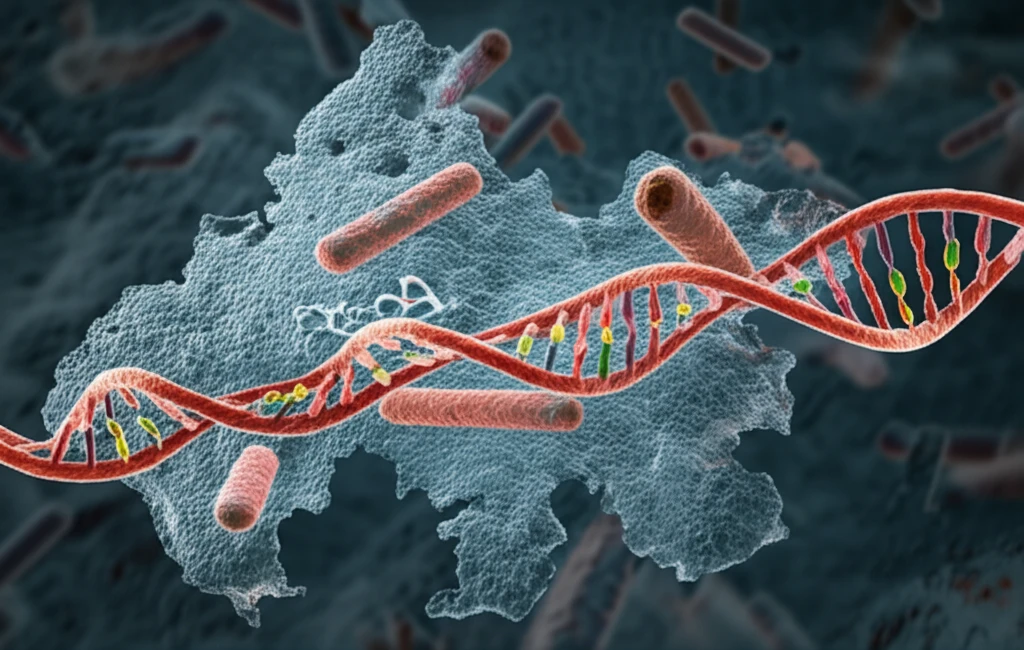
Surreal digital illustration of MRSA bacteria intertwined with the map of Chennai, highlighting the rpoB gene.

Unmasking MRSA: What You Need to Know About Antibiotic Resistance in India

"A deep dive into the rise of multi-resistant MRSA strains in Chennai, India, and how understanding their genetic makeup can help us fight back."


In the ongoing battle against infectious diseases, the rise of antibiotic resistance is a global threat. Bacteria, once easily defeated by common medications, are evolving and becoming increasingly difficult to treat. One particularly concerning example is Methicillin-Resistant Staphylococcus aureus, better known as MRSA.

MRSA, a type of staph bacteria resistant to many antibiotics, poses a significant risk, especially in hospital settings. The ability of MRSA to quickly develop resistance to new drugs means that infections can be harder to manage, sometimes requiring more expensive and less effective treatments.

A recent study focused on MRSA strains in Chennai, India, shedding light on the genetic mechanisms that allow these bacteria to resist a key antibiotic, rifampicin. By understanding these mechanisms, researchers hope to develop better diagnostic tools and treatment strategies to combat the spread of resistant MRSA.

Decoding MRSA's Resistance: What the Chennai Study Reveals

Surreal digital illustration of MRSA bacteria intertwined with the map of Chennai, highlighting the rpoB gene.

The study, conducted by researchers from King Saud University and Bharathiar University, investigated MRSA isolates collected from hospitals in Chennai. Their goal was to understand the extent of multi-drug resistance, analyze the characteristics of rifampicin resistance, and identify specific genetic mutations that contribute to this resistance.

Here's a breakdown of their key findings:

  • High Prevalence of MRSA: Out of 54 isolates, 74% were identified as MRSA, highlighting a significant presence of this resistant bacteria in the Chennai hospitals studied.
  • Rifampicin Resistance: A concerning number of MRSA isolates showed resistance to rifampicin, an important antibiotic used to treat various infections.
  • Genetic Mutations: The researchers pinpointed specific mutations in the rpoB gene, which is linked to rifampicin resistance. These mutations provide clues about how MRSA adapts and overcomes the effects of the antibiotic.
  • Insights into Evolution: By analyzing the genetic relationships between different MRSA isolates, the study offered insights into how resistance spreads and evolves within bacterial populations.
These findings emphasize the urgent need for continuous monitoring of antibiotic resistance and the development of strategies to prevent its spread. Understanding the genetic basis of resistance is crucial for designing effective interventions and protecting public health.

Turning Knowledge into Action: The Future of MRSA Control

The Chennai study adds to the growing body of knowledge about antibiotic resistance and provides valuable insights for healthcare professionals and researchers. By understanding the specific mutations that drive rifampicin resistance in MRSA, scientists can work towards developing new drugs that circumvent these resistance mechanisms. Furthermore, this information can be used to improve diagnostic tests, allowing for faster and more accurate identification of resistant strains. This will ultimately lead to better treatment decisions and improved patient outcomes, while helping to slow the spread of antibiotic resistance.

About this Article -

This article was crafted using a human-AI hybrid and collaborative approach. AI assisted our team with initial drafting, research insights, identifying key questions, and image generation. Our human editors guided topic selection, defined the angle, structured the content, ensured factual accuracy and relevance, refined the tone, and conducted thorough editing to deliver helpful, high-quality information.See our About page for more information.

Everything You Need To Know

1

What exactly is MRSA, and why is it a problem?

Methicillin-Resistant Staphylococcus aureus, or MRSA, is a type of staph bacteria that has developed resistance to many antibiotics. This resistance makes MRSA infections more difficult to treat, often requiring stronger or alternative medications. The rise of MRSA is concerning because it can lead to more severe infections, especially in hospital settings, and highlights the broader issue of antibiotic resistance. The genetic flexibility of MRSA strains allows them to develop resistances to multiple drugs rapidly, including rifampicin.

2

Why is resistance to rifampicin in MRSA a cause for concern?

Rifampicin resistance in MRSA is significant because rifampicin is an important antibiotic used to treat various infections. When MRSA becomes resistant to rifampicin, treatment options become more limited, potentially leading to poorer patient outcomes. The study pinpointed specific mutations in the rpoB gene that are linked to rifampicin resistance. Understanding these genetic changes is crucial for developing new drugs that can bypass these resistance mechanisms.

3

What is the role of the rpoB gene in antibiotic resistance?

The rpoB gene is important because it is directly linked to rifampicin resistance in MRSA. Mutations in the rpoB gene allow the bacteria to evade the effects of rifampicin, rendering the antibiotic ineffective. Identifying and studying these mutations provides insights into how resistance evolves and spreads among bacterial populations, potentially guiding the development of new treatments that can overcome this resistance.

4

What did the Chennai study reveal about the prevalence of MRSA?

The Chennai study identified a high prevalence of MRSA in the hospitals studied, with 74% of isolates being MRSA. This is a significant finding because it indicates that MRSA is widespread in this setting, posing a substantial risk to patients. Furthermore, a concerning number of these MRSA isolates showed resistance to rifampicin, an important antibiotic. This highlights the urgent need for better monitoring and control measures to prevent the spread of antibiotic-resistant bacteria.

5

Why is it important to understand the genetic basis of antibiotic resistance in bacteria like MRSA?

Understanding the genetic basis of antibiotic resistance, such as the specific mutations in the rpoB gene that confer rifampicin resistance in MRSA, is crucial for several reasons. It enables the development of new drugs that can circumvent these resistance mechanisms, improves diagnostic tests for faster and more accurate identification of resistant strains, and helps to inform strategies to prevent the spread of antibiotic resistance. By targeting the specific vulnerabilities revealed by genetic analysis, we can develop more effective treatments and protect public health.

Newsletter Subscribe

Subscribe to get the latest articles and insights directly in your inbox.