
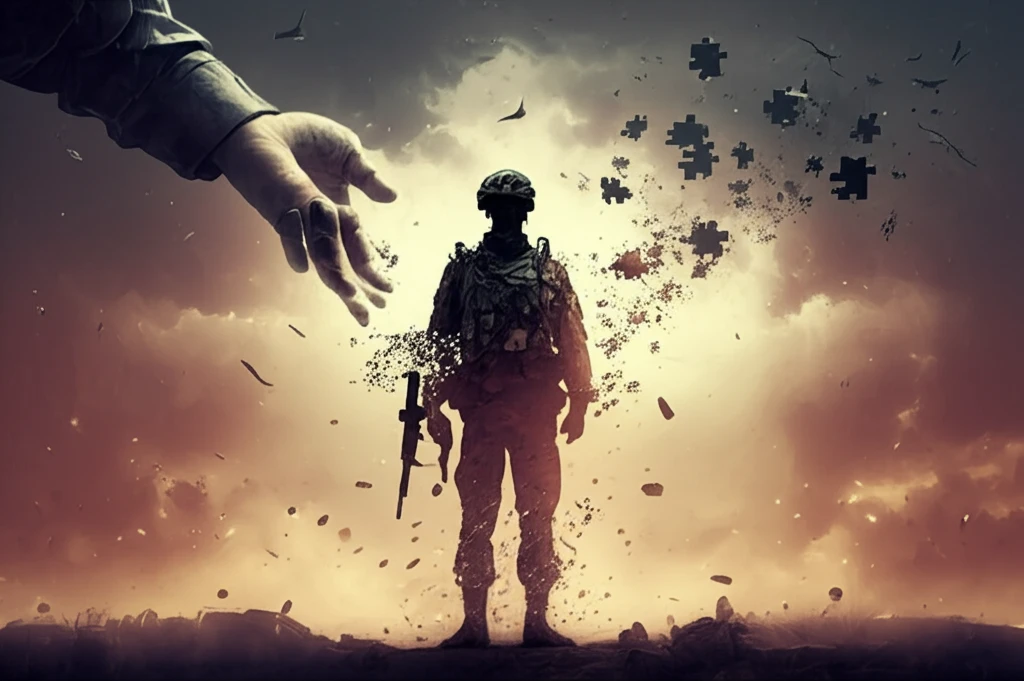
A surreal illustration representing the challenges and support needed for veterans with TBI after blast exposure.

Unmasking Invisible Wounds: A Guide to TBI Care for Veterans After Blast Exposure

"Decades after combat, the silent struggles of veterans exposed to blasts finally get a voice. Learn how to identify, seek, and improve care for traumatic brain injuries (TBIs)."


For many Army veterans who served in combat zones before the implementation of widespread traumatic brain injury (TBI) screenings, the road to recovery has been fraught with obstacles. Blast exposures, common in Iraq and Afghanistan, can lead to a range of long-term health issues, including TBI. This article sheds light on the experiences of these veterans and the hurdles they face in accessing adequate care.

The research, initiated from discussions with veterans and their families, unveils the facilitators and barriers in seeking care years after deployment. It highlights the critical need for improved support systems and healthcare practices to address the unique challenges faced by this population.

By understanding these experiences, we can work towards building a more compassionate and effective system that honors the sacrifices made by our veterans and provides them with the care they deserve.

What Are the Key Obstacles in Getting TBI Care?

A surreal illustration representing the challenges and support needed for veterans with TBI after blast exposure.

The study, grounded in thorough interviews with veterans and their families, reveals several significant barriers that impede care-seeking. These obstacles often compound the difficulties veterans already face in adjusting to life after deployment. Navigating these challenges requires a multi-faceted approach, focusing on system improvements and enhanced social support.

Here are some key findings:

  • System Inefficiencies: Many veterans find the military and veteran health systems unresponsive and difficult to navigate.
  • Scheduling and Logistics: Redeployments and scheduling conflicts create disruptions in care.
  • Documentation Issues: Insufficient or inaccessible records of blast exposures hinder proper diagnosis and treatment.
  • Provider Turnover: Frequent changes in healthcare providers disrupt therapeutic progress.
  • Poor Patient-Provider Relationships: Veterans often report feeling dismissed or misunderstood by healthcare professionals.
  • Stigma: The stigma surrounding mental health care discourages many veterans from seeking help.
  • Fear of Incapability: The system itself is feared and percieved by some as incapable of providing the help they need.
These barriers highlight systemic issues within healthcare systems and the broader cultural challenges surrounding mental health and veteran care. Addressing these obstacles is crucial to ensuring that veterans receive the timely and effective care they require.

Moving Forward: Rebuilding Trust and Improving Care

This study underscores the urgent need for healthcare systems to address the unique challenges faced by veterans with blast-related injuries. By dismantling barriers, fostering supportive relationships, and promoting a culture of understanding, we can ensure that these heroes receive the compassionate and effective care they deserve. We must work towards rebuilding the trust that has been eroded by negative experiences and creating a system that truly honors their service and sacrifice.

About this Article -

This article was crafted using a human-AI hybrid and collaborative approach. AI assisted our team with initial drafting, research insights, identifying key questions, and image generation. Our human editors guided topic selection, defined the angle, structured the content, ensured factual accuracy and relevance, refined the tone, and conducted thorough editing to deliver helpful, high-quality information.See our About page for more information.

This article is based on research published under:

DOI-LINK: 10.7205/milmed-d-14-00471, Alternate LINK

Title: “Tell Me What You Don'T Remember”: Care-Seeking Facilitators And Barriers In The Decade Following Repetitive Blast Exposure Among Army Combat Veterans

Subject: Public Health, Environmental and Occupational Health

Journal: Military Medicine

Publisher: Oxford University Press (OUP)

Authors: Rachel P. Chase, Shannon A. Mcmahon, Peter J. Winch

Published: 2016-02-01

Everything You Need To Know

1

What are the primary challenges faced by veterans in seeking care for Traumatic Brain Injuries (TBIs) after blast exposure?

Veterans encounter several obstacles. System inefficiencies within the military and veteran health systems are a major hurdle. Scheduling conflicts and redeployments disrupt care continuity. Issues like insufficient or inaccessible records of blast exposures also hinder proper diagnosis and treatment. Provider turnover and poor patient-provider relationships, where veterans feel dismissed or misunderstood, further complicate matters. Additionally, the stigma surrounding mental health care and fear of the system's perceived incapability prevents many from seeking help, leading to delayed or inadequate treatment for their TBIs.

2

How do blast exposures during combat relate to the long-term health issues veterans face?

Blast exposures, common in combat zones like Iraq and Afghanistan, are directly linked to the development of Traumatic Brain Injuries (TBIs). These injuries can manifest in a range of long-term health issues that veterans experience. The impact of blasts can cause significant brain damage, often leading to chronic conditions that require ongoing care and support. The article highlights the critical need to recognize and address these blast-related injuries to improve the quality of life for veterans.

3

Why is it important to address the systemic issues within healthcare for veterans with blast-related injuries?

Addressing systemic issues is crucial because it directly impacts the ability of veterans to access and benefit from healthcare services for Traumatic Brain Injuries (TBIs). Inefficiencies, scheduling conflicts, and documentation problems impede access to timely diagnosis and treatment. Overcoming these barriers involves improving healthcare practices, enhancing social support, and dismantling obstacles to ensure that veterans receive compassionate and effective care. Building a system that honors their sacrifices requires rebuilding trust and fostering a culture of understanding around the unique challenges they face.

4

What role does stigma play in veterans seeking care for Traumatic Brain Injuries (TBIs) and how can it be addressed?

The stigma surrounding mental health care significantly discourages veterans from seeking help for Traumatic Brain Injuries (TBIs). This stigma arises from societal perceptions and cultural factors that often associate mental health issues with weakness or inadequacy. To address this, it's essential to promote understanding, reduce judgmental attitudes, and foster a supportive environment where veterans feel comfortable discussing their experiences and seeking help without fear of judgment. This can be achieved through educational campaigns, peer support groups, and ensuring that healthcare providers are trained to offer empathetic and non-stigmatizing care.

5

In the context of this information, what specific steps could be taken to rebuild trust between veterans and healthcare providers?

To rebuild trust, healthcare systems must focus on improving patient-provider relationships. This involves ensuring that veterans feel understood and respected by healthcare professionals. This includes steps like comprehensive training for providers on TBI-related issues, active listening, and empathy. Addressing provider turnover to ensure continuity of care is also crucial. Furthermore, simplifying processes, such as improving documentation and accessibility of records, helps demonstrate a commitment to the veterans' needs and builds confidence in the healthcare system's ability to provide effective care. This will help honor the sacrifices made by veterans.

Newsletter Subscribe

Subscribe to get the latest articles and insights directly in your inbox.