
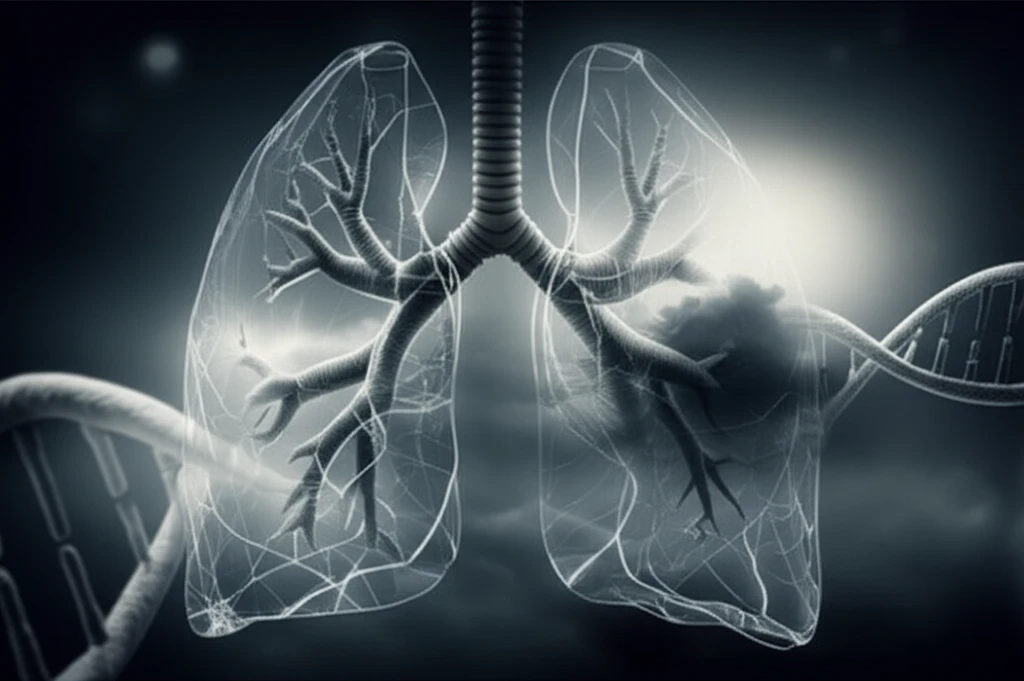
Symbolic image representing Alpha-1 Antitrypsin Deficiency's impact on lung health.

Unmasking Alpha-1 Antitrypsin Deficiency: What Young Adults Need to Know

"Could a Hidden Genetic Condition Be Behind Your COPD Symptoms? Learn About Alpha-1 Antitrypsin Deficiency, Its Impact on Young Adults, and How Early Diagnosis Can Change the Game."


Alpha-1 antitrypsin deficiency (AATD) is a genetic condition that's often missed, but it can have serious consequences, especially for young adults. It primarily affects the lungs and liver, and sometimes the skin. When AATD impacts the lungs, it can lead to chronic obstructive pulmonary disease (COPD) at a younger age than typically expected.

Normally, alpha-1 antitrypsin (AAT) protects the lungs from damage caused by an enzyme called neutrophil elastase. In AATD, the body doesn't produce enough functional AAT, leaving the lungs vulnerable. This can result in emphysema, a condition where the air sacs in the lungs are damaged, making it difficult to breathe.

While AATD is often associated with people of European descent, it can affect anyone. Recognizing the symptoms and getting tested early are key to managing the condition and preventing severe lung or liver damage.

Decoding AATD: How It Impacts Your Body

Symbolic image representing Alpha-1 Antitrypsin Deficiency's impact on lung health.

AATD's primary impact is on the lungs and liver, although skin issues can also occur. In the lungs, the deficiency of AAT leads to an imbalance, where neutrophil elastase destroys elastin, a protein essential for lung elasticity. This destruction leads to emphysema.

The liver is affected because the abnormal AAT protein can build up, leading to liver disease. This can manifest as neonatal cholestasis (a liver problem in newborns), progress to juvenile cirrhosis, or cause slowly progressive liver damage in adults.

  • Lung Problems: Emphysema, COPD-like symptoms (shortness of breath, wheezing, chronic cough).
  • Liver Problems: Jaundice (yellowing of the skin and eyes), cirrhosis, liver failure.
  • Skin Problems: (less common) Panniculitis, a painful inflammation of the skin.
It's important to note that the severity of AATD can vary. Some people with AATD may have mild symptoms, while others experience significant health problems.

Taking Control: Early Detection and Management of AATD

The good news is that AATD can be managed, especially when detected early. If you're experiencing unexplained respiratory issues, especially if you're under 45 or have a family history of lung or liver disease, talk to your doctor about getting tested for AATD.

Diagnosis typically involves a blood test to measure AAT levels. If AATD is confirmed, further genetic testing can identify the specific gene mutations involved. Although genetic phenotyping could not be done due to lack of facilities, it is important to carry out these tests.

Treatment options include intravenous augmentation therapy, which involves infusing AAT protein into the bloodstream. Lifestyle modifications, such as quitting smoking and avoiding lung irritants, are also crucial. For liver disease, management depends on the severity and may include medication or, in severe cases, liver transplantation.

About this Article -

This article was crafted using a human-AI hybrid and collaborative approach. AI assisted our team with initial drafting, research insights, identifying key questions, and image generation. Our human editors guided topic selection, defined the angle, structured the content, ensured factual accuracy and relevance, refined the tone, and conducted thorough editing to deliver helpful, high-quality information.See our About page for more information.

This article is based on research published under:

DOI-LINK: 10.3126/jaim.v3i2.14067, Alternate LINK

Title: Chronic Obstructive Lung Disease In Young: Alpha 1 Anti Trypsin Deficiency

Subject: General Medicine

Journal: Journal of Advances in Internal Medicine

Publisher: Nepal Journals Online (JOL)

Authors: S.S. Dhakal, K.K. Agrawaal, N.K. Bhatta

Published: 2015-12-09

Everything You Need To Know

1

What is Alpha-1 antitrypsin deficiency (AATD)?

Alpha-1 antitrypsin deficiency (AATD) is a genetic condition where the body doesn't produce enough functional alpha-1 antitrypsin (AAT). AAT protects the lungs from damage. Without sufficient AAT, the lungs become vulnerable to neutrophil elastase, an enzyme that damages lung tissue. This deficiency can lead to emphysema, especially in young adults.

2

Why is Alpha-1 antitrypsin deficiency (AATD) important?

AATD is important because it can lead to chronic obstructive pulmonary disease (COPD), liver disease, and, less commonly, skin problems in young adults. Early detection allows for interventions that can slow the progression of lung and liver damage. Without early intervention, AATD can significantly impact a person's quality of life and life expectancy.

3

How does Alpha-1 antitrypsin deficiency (AATD) affect the body?

The primary impact of AATD is on the lungs and the liver. In the lungs, the deficiency of alpha-1 antitrypsin (AAT) allows the neutrophil elastase enzyme to damage the lung's elastin, leading to emphysema and COPD-like symptoms. In the liver, the abnormal AAT protein can build up and cause liver disease, which can manifest as neonatal cholestasis, juvenile cirrhosis, or progressive liver damage in adults.

4

What are the symptoms of Alpha-1 antitrypsin deficiency (AATD)?

Symptoms of AATD can vary in severity. Lung problems can include emphysema and COPD-like symptoms such as shortness of breath, wheezing, and chronic cough. Liver problems may include jaundice, cirrhosis, and liver failure. Less common skin problems include panniculitis, a painful inflammation of the skin. The presence and severity of these symptoms depend on the individual and the extent of their AATD.

5

Why is early detection of Alpha-1 antitrypsin deficiency (AATD) important?

Early detection of AATD is crucial because it enables timely management of the condition. If you are a young adult experiencing unexplained breathing difficulties or liver issues, especially if you have a family history of lung or liver disease, you should speak to your doctor about getting tested for AATD. This early intervention can help slow the progression of lung and liver damage, improving outcomes.

Newsletter Subscribe

Subscribe to get the latest articles and insights directly in your inbox.