
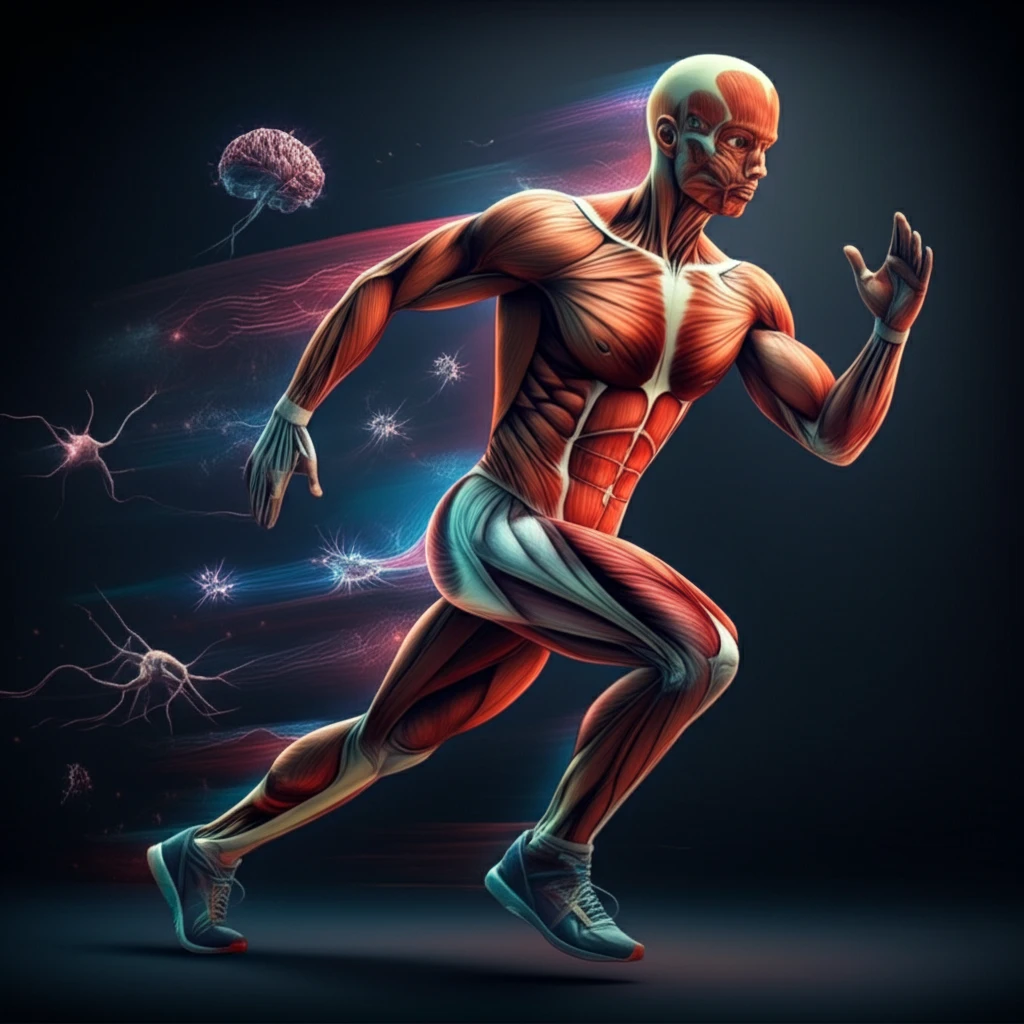
Illustration depicting a person engaged in a HIFT exercise, showcasing the dynamic and impactful nature of the workout.

Unlocking Your Potential: How High-Intensity Functional Training Exercises Can Transform Your Body and Mind

"Dive into the science-backed benefits of HIFT exercises and discover how they can boost your fitness and growth hormone levels."


In a world where time is of the essence, the quest for efficient and effective workouts has never been more crucial. High-Intensity Functional Training (HIFT) has emerged as a popular exercise style, promising rapid results through dynamic movements and varied exercises. But does this trendy workout truly deliver on its promises? Beyond the buzz, what does the science reveal about HIFT's impact on our bodies, particularly in terms of muscle growth and overall health?

This article delves into the physiological effects of HIFT, exploring how these workouts influence crucial markers of growth and overall well-being. We'll examine the science behind HIFT, the specific workout structures, and the measurable benefits. Furthermore, we'll unravel the intricacies of how HIFT boosts growth hormone levels, and discuss actionable insights to help you integrate these powerful exercises into your fitness regimen.

Whether you're a fitness enthusiast looking to optimize your routine or simply curious about the science of exercise, this comprehensive guide provides an evidence-based perspective on HIFT. Get ready to unlock the full potential of your body and mind with HIFT exercises.

Decoding HIFT: Understanding the Science Behind High-Intensity Functional Training

Illustration depicting a person engaged in a HIFT exercise, showcasing the dynamic and impactful nature of the workout.

High-Intensity Functional Training (HIFT) isn't just about pushing your limits; it's about challenging your body in diverse ways. These workouts typically combine elements of resistance training, plyometrics, and gymnastic movements, performed in a circuit or interval style. The goal is to engage multiple energy pathways, making the most of your time and maximizing results.

The core of HIFT lies in its adaptability. Workouts often include varied exercises, orders, weights, and rep schemes, offering a dynamic experience that prevents plateaus and keeps your body guessing. This versatility is a key ingredient in the effectiveness of HIFT.

  • Diverse Movements: HIFT incorporates exercises from various fitness disciplines, ensuring comprehensive muscle engagement.
  • Time Efficiency: Workouts are designed to be short and intense, ideal for those with busy schedules.
  • Metabolic Boost: HIFT can significantly increase your metabolism, helping you burn more calories even after the workout.
  • Adaptability: Exercises can be modified to suit different fitness levels, making HIFT accessible to many.
  • Full-Body Engagement: HIFT workouts typically work the entire body, promoting balanced fitness and overall strength.
HIFT workouts can be structured in various ways. Some common formats include short, high-intensity circuits, longer endurance-focused sessions, or a combination of both. The key is the intensity – maintaining a high level of effort throughout the workout is crucial for achieving the desired physiological responses.

Embrace the HIFT Lifestyle: Practical Steps to Integrate HIFT into Your Routine

High-Intensity Functional Training offers a powerful, time-efficient approach to fitness. By understanding the science behind HIFT and integrating it into your routine, you can transform your body, boost your overall health, and unlock your full potential. Remember to consult with a healthcare professional or certified trainer before starting any new exercise program, and listen to your body throughout your fitness journey.

About this Article -

This article was crafted using a human-AI hybrid and collaborative approach. AI assisted our team with initial drafting, research insights, identifying key questions, and image generation. Our human editors guided topic selection, defined the angle, structured the content, ensured factual accuracy and relevance, refined the tone, and conducted thorough editing to deliver helpful, high-quality information.See our About page for more information.

This article is based on research published under:

DOI-LINK: 10.1519/jsc.0000000000002933, Alternate LINK

Title: Acute Effect Of Popular High-Intensity Functional Training Exercise On Physiologic Markers Of Growth

Subject: Physical Therapy, Sports Therapy and Rehabilitation

Journal: Journal of Strength and Conditioning Research

Publisher: Ovid Technologies (Wolters Kluwer Health)

Authors: Brian Kliszczewicz, Chad D. Markert, Emily Bechke, Cassie Williamson, Khala N. Clemons, Ronald L. Snarr, Michael J. Mckenzie

Published: 2018-11-05

Everything You Need To Know

1

What exactly does High-Intensity Functional Training (HIFT) involve?

High-Intensity Functional Training (HIFT) is a workout approach that combines resistance training, plyometrics, and gymnastic movements. These exercises are typically performed in a circuit or interval style. The goal of HIFT is to engage multiple energy pathways, which makes workouts time-efficient and maximizes results by challenging the body in diverse ways. Workouts often include varied exercises, orders, weights, and rep schemes, offering a dynamic experience that prevents plateaus and keeps your body guessing. While not explicitly mentioned, incorporating proper warm-up and cool-down routines is also crucial for injury prevention and recovery.

2

What are the primary benefits of incorporating High-Intensity Functional Training (HIFT) into my fitness routine?

High-Intensity Functional Training (HIFT) offers several key benefits. It ensures comprehensive muscle engagement through diverse movements, making it time-efficient and ideal for individuals with busy schedules. HIFT also provides a metabolic boost, helping you burn more calories even after the workout. Workouts are adaptable to different fitness levels and promotes balanced fitness and overall strength through full-body engagement. It is important to note that, while the text highlights metabolic benefits, the long-term impact of HIFT on cardiovascular health could also be significant.

3

How adaptable is High-Intensity Functional Training (HIFT) for someone just starting their fitness journey, and how can exercises be modified?

High-Intensity Functional Training (HIFT) is designed to be highly adaptable for various fitness levels. Exercises can be modified to suit individual capabilities, making HIFT accessible to many. While the specifics of modifications aren't detailed, this could involve reducing the weight used in resistance exercises, modifying plyometric exercises to lower impact versions, or simplifying gymnastic movements. It is important to start slow and gradually increase the intensity as your fitness level improves. Remember, safety is key.

4

What different structures can High-Intensity Functional Training (HIFT) workouts take, and how does intensity play a role?

High-Intensity Functional Training (HIFT) workouts can be structured in various ways, including short, high-intensity circuits, longer endurance-focused sessions, or a combination of both. Regardless of the structure, maintaining a high level of effort throughout the workout is crucial for achieving the desired physiological responses. The intensity is key to triggering the metabolic and hormonal benefits associated with HIFT. While the article does not specify methods to gauge intensity, heart rate monitoring or perceived exertion scales can be helpful in ensuring the workout remains high-intensity.

5

How can High-Intensity Functional Training (HIFT) transform my body and mind, and what is the physiological basis behind it?

High-Intensity Functional Training (HIFT) can transform your body and mind by offering a powerful, time-efficient approach to fitness. The physiological basis lies in its ability to engage multiple energy pathways, boost metabolism, and promote muscle growth through diverse movements and varied exercises. While the text does not delve into specific mental benefits, it suggests that it can unlock your full potential. It should be noted that the psychological benefits, such as improved mood and reduced stress, should also be considered.

Newsletter Subscribe

Subscribe to get the latest articles and insights directly in your inbox.