
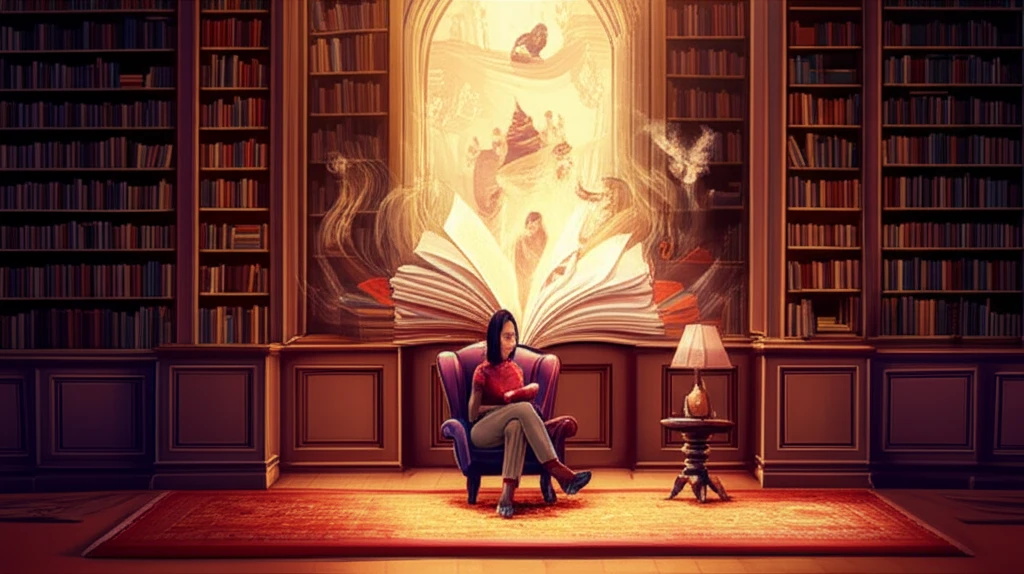
Illustration of a person reading a book, with scenes from the story emerging from the pages.

Unlocking the Value Within: Why Reading Novels Still Matters in the 21st Century

"Dive into the enduring power of stories and discover how novels shape our world and our understanding of ourselves."


In an era dominated by digital distractions and rapid-fire information, it's easy to question the relevance of traditional forms of art, especially the novel. Yet, amidst the noise, the humble novel persists, quietly offering a unique and valuable experience. This isn't just a matter of nostalgia; the novel continues to provide insights into the human condition, offering a powerful means of understanding ourselves and the world around us.

This article delves into the enduring value of the novel, drawing inspiration from Peter Boxall's exploration of the topic in The Value of the Novel. We'll explore how novels shape our understanding of complex issues, from personal identity and relationships to broader social and ethical considerations. The novel, as we'll see, is not a relic of the past, but a vibrant tool for navigating the challenges of the present and imagining a better future.

As we navigate the complexities of the 21st century, the novel provides a critical lens through which to examine our world. It is an opportunity to understand the world, to grapple with difficult questions, and to foster empathy and understanding. Let's explore why reading novels remains not just a pastime, but a vital practice for anyone seeking to live a more meaningful and engaged life.

The Enduring Power of Storytelling: Why Novels Still Resonate

Illustration of a person reading a book, with scenes from the story emerging from the pages.

Novels, at their core, are about stories. They offer a unique opportunity to step into the lives of others, to experience the world through different eyes, and to confront the complexities of human existence. This ability to transport us to different times, places, and perspectives is one of the novel's most enduring strengths. It allows us to develop empathy, understand diverse viewpoints, and question our own assumptions.

Consider the impact of historical fiction, for example. Novels set in the past allow us to understand historical events and the people who lived through them. This provides a more nuanced and textured understanding of history than what we might get from textbooks or documentaries. These stories offer insights into the social, political, and cultural forces that shaped the world, helping us understand the present.

  • Empathy and Understanding: Novels expose us to diverse experiences and perspectives, fostering empathy and understanding.
  • Critical Thinking: Reading novels encourages us to question assumptions and analyze complex situations.
  • Emotional Intelligence: Novels help us understand and navigate our own emotions and those of others.
  • Expanding Vocabulary: Novels enhance our communication skills and knowledge of language.
  • Escape and Relaxation: Reading novels provides a welcome escape from the stresses of daily life, promoting mental well-being.
Beyond their capacity for empathy and understanding, novels provide a space for critical thinking. By immersing ourselves in complex narratives, we're encouraged to analyze situations, identify underlying themes, and consider multiple perspectives. This process is invaluable in a world that often presents information in a fragmented and simplified manner. Novels provide a haven for nuance and a space for questioning.

Embrace the Power of Stories

In a world that is constantly evolving, the novel remains a powerful and relevant art form. By embracing the power of storytelling, we can enrich our lives, deepen our understanding of the world, and contribute to a more empathetic and informed society. So, pick up a novel, lose yourself in its pages, and discover the lasting value it holds for you. Happy reading!

About this Article -

This article was crafted using a human-AI hybrid and collaborative approach. AI assisted our team with initial drafting, research insights, identifying key questions, and image generation. Our human editors guided topic selection, defined the angle, structured the content, ensured factual accuracy and relevance, refined the tone, and conducted thorough editing to deliver helpful, high-quality information.See our About page for more information.

Everything You Need To Know

1

Why should I read novels when there are so many other forms of entertainment and information available?

Novels offer a unique and valuable experience beyond mere entertainment. They provide insights into the human condition, relationships, and the world around us. Reading historical fiction, for example, offers a textured understanding of historical events beyond textbooks. Novels encourage empathy, critical thinking, and emotional intelligence, fostering a more nuanced understanding of complex issues, and expanding vocabulary, while also offering an escape and relaxation that promotes mental well-being. These benefits aren't always found in other forms of media.

2

How do novels help me understand people who are different from me?

Novels allow you to step into the lives of others, experience the world through different eyes, and confront the complexities of human existence. This exposure to diverse experiences and perspectives fosters empathy and understanding. By immersing yourself in characters' lives and situations, you gain insights into different cultures, beliefs, and ways of thinking, breaking down barriers and promoting tolerance. This capacity for empathy helps broaden one's perspective.

3

In what ways do novels encourage critical thinking?

Novels provide a space for critical thinking by immersing you in complex narratives that encourage analysis of situations, identification of underlying themes, and consideration of multiple perspectives. Unlike fragmented information, novels offer nuance and a space for questioning assumptions. The process of interpreting characters' motivations, evaluating plot developments, and understanding the author's message sharpens your ability to analyze information and form your own opinions. Peter Boxall's exploration of 'The Value of the Novel' highlights how novels provide a critical lens through which to examine our world.

4

How can reading novels contribute to my emotional intelligence?

Reading novels can significantly enhance emotional intelligence by allowing exploration into characters' emotions and relationships. Novels help to understand and navigate one's own emotions and those of others. By witnessing characters grapple with difficult situations, experience joy, sadness, love, and loss, you develop a greater understanding of emotional complexities. This vicarious experience builds emotional vocabulary and the ability to recognize and respond to emotions effectively.

5

Can novels really help me understand complex social issues, and if so, how?

Yes, novels offer a powerful means of understanding complex social and ethical considerations. By exploring these issues through the lens of individual characters and their experiences, novels make abstract concepts more relatable and understandable. For example, novels can shed light on the impact of historical events, social inequalities, and political conflicts on individuals and communities. The ability to connect with characters and see the world through their eyes fosters empathy and encourages you to question your own assumptions and biases, leading to a more nuanced understanding of complex social issues.

Newsletter Subscribe

Subscribe to get the latest articles and insights directly in your inbox.