
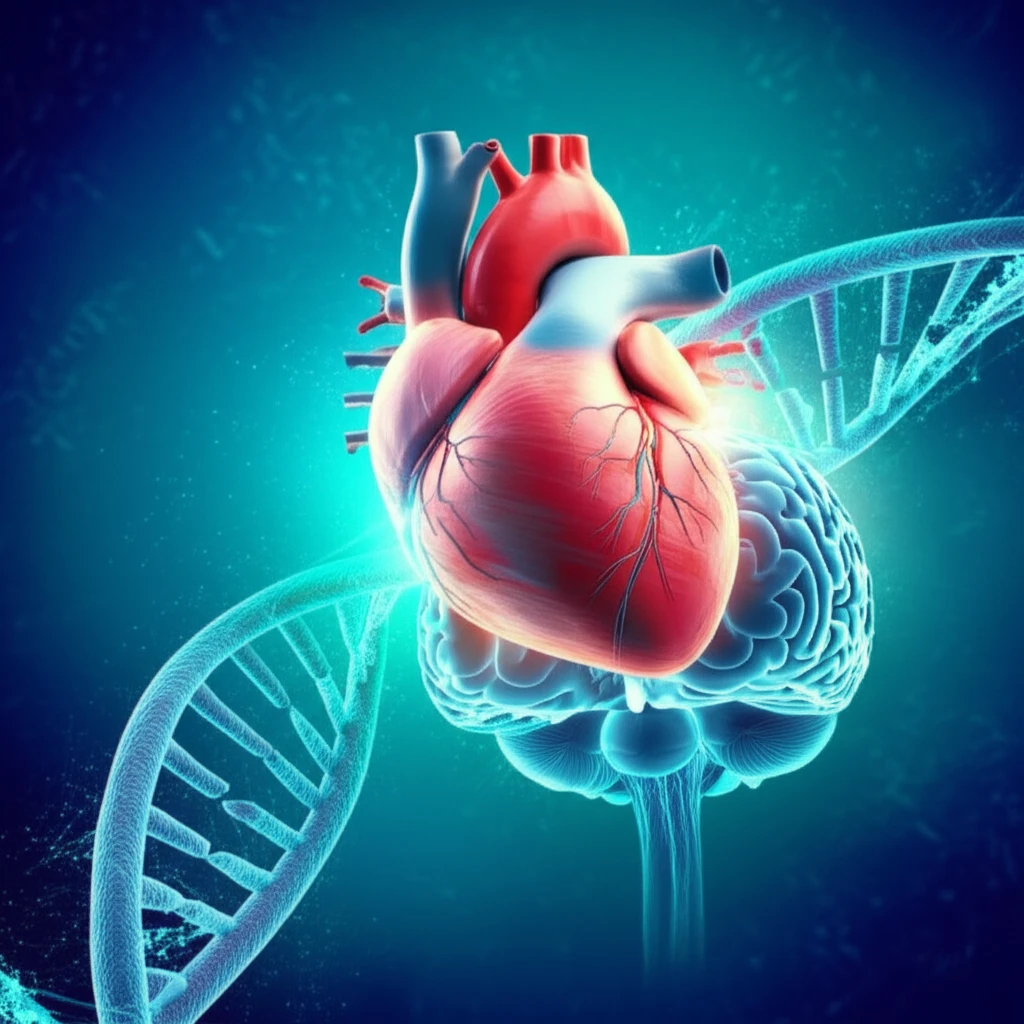
Unlocking the Secrets Within: How Early Detection of Genetic Conditions Can Transform Lives

"Understanding the Impact of Genetic Conditions and the Power of Early Intervention"
In the realm of health and wellness, the importance of proactive measures cannot be overstated. Early detection of potential health issues often becomes a cornerstone for effective treatment and management. Nowhere is this more evident than in the context of genetic conditions, where early identification can dramatically alter the course of a person's life. This article delves into the significance of recognizing these conditions early and highlights the benefits of timely intervention.
Genetic conditions, resulting from variations in our DNA, can affect individuals in numerous ways, leading to a wide spectrum of health challenges. These conditions may manifest at birth or develop later in life, underscoring the need for vigilant monitoring and informed healthcare decisions. We aim to unravel the complexities of genetic conditions and stress the importance of early detection.
The goal is to arm you with knowledge and understanding of genetic conditions, enabling you to make informed decisions about your health and the well-being of your loved ones. This guide will explore various genetic conditions, the impact they have on individuals, and the crucial role that early intervention plays in improving health outcomes. Let's explore together the remarkable ways in which early detection can pave the way for a healthier and brighter future.
Unpacking the Spectrum: A Look at Different Genetic Conditions
Genetic conditions are diverse, encompassing a broad array of disorders that impact individuals in different ways. These conditions can result from mutations, or alterations, in a single gene, multiple genes, or even entire chromosomes. Some conditions are inherited from parents, while others occur spontaneously. Understanding the variety of genetic conditions is the first step toward early detection and effective intervention.
- Cystic Fibrosis (CF): This condition affects the lungs and digestive system, causing the body to produce thick, sticky mucus that can clog airways and trap bacteria. Early detection through newborn screening and prompt treatment can significantly improve the quality of life and longevity for individuals with CF.
- Down Syndrome: Characterized by an extra copy of chromosome 21, Down syndrome leads to developmental delays and intellectual disabilities. Early intervention programs, including therapies and educational support, can help individuals with Down syndrome reach their full potential and lead fulfilling lives.
- Sickle Cell Anemia: A blood disorder where red blood cells become sickle-shaped, causing pain, fatigue, and other complications. Early screening and interventions, such as medications and blood transfusions, can help manage the condition and prevent severe complications.
- Huntington's Disease: A progressive brain disorder that causes uncontrolled movements, emotional problems, and loss of thinking ability. While there is no cure, early diagnosis allows for the implementation of therapies and supportive care to manage symptoms and improve the quality of life for individuals and their families.
- Phenylketonuria (PKU): A metabolic disorder that prevents the body from breaking down phenylalanine, an amino acid. Early detection through newborn screening and adherence to a special diet can prevent severe intellectual disabilities and other health problems.
Embracing the Future: A Call to Action for Early Detection
Early detection of genetic conditions is a powerful tool in the pursuit of health and well-being. It empowers individuals and families to take control of their health journeys, access timely interventions, and build fulfilling lives. By raising awareness, promoting screening programs, and supporting research, we can work together to create a future where genetic conditions are recognized early and managed effectively. Let's embrace the potential of early detection and work toward a healthier tomorrow for all.