
Unlocking the Secrets Within: How a Cellular 'Gatekeeper' Could Revolutionize Heart Health

"New research unveils a key player in cellular processes that could lead to groundbreaking treatments for cardiovascular disease."
In the ever-evolving world of medical science, researchers are constantly seeking innovative ways to understand and combat diseases that plague humanity. Cardiovascular disease, a leading cause of mortality globally, has been a significant focus. A recent study published in the journal BBA - Molecular and Cell Biology of Lipids has brought forward an exciting discovery. It has revealed a new aspect of how our cells function, particularly focusing on how a cellular 'gatekeeper' protein could hold the key to revolutionizing heart health. This could lead to innovative treatments for the disease.
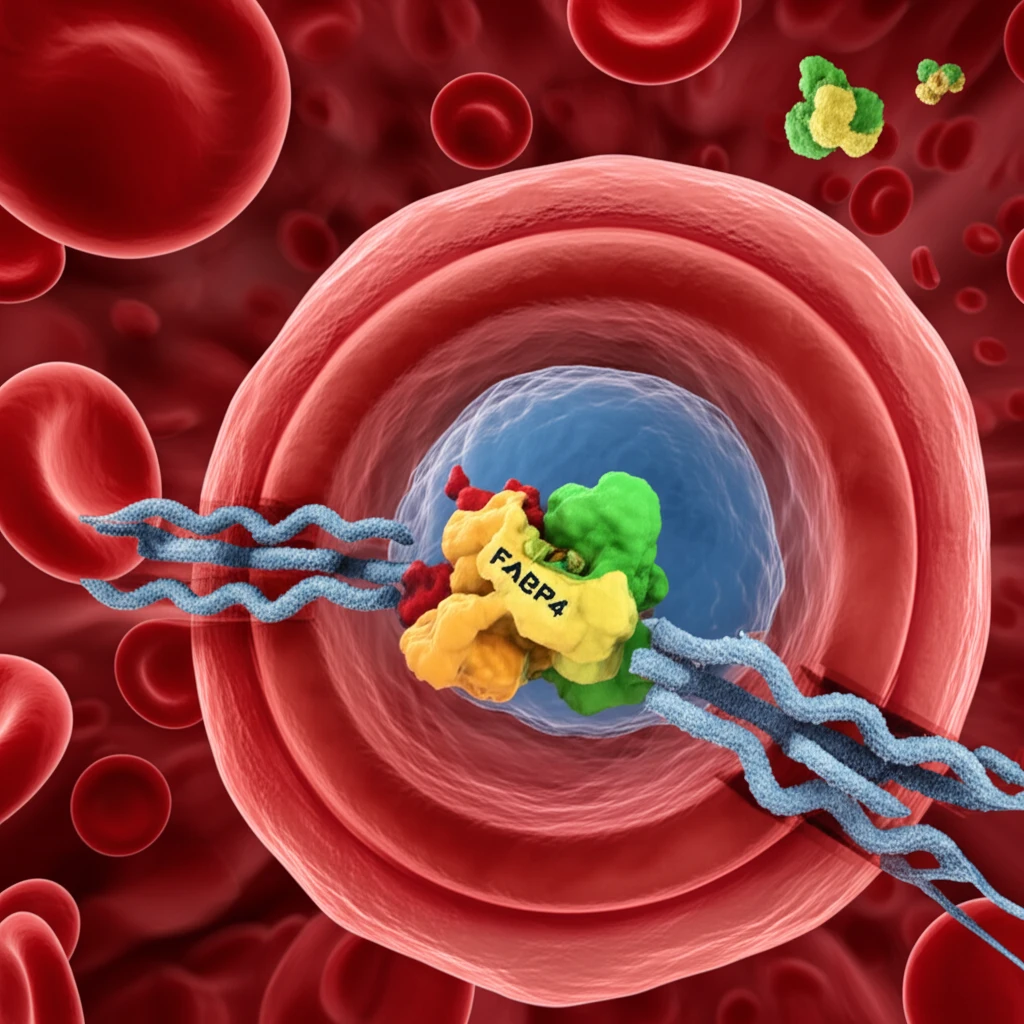
The focus of the study centers around a protein called cytokeratin 1, or CK1. This protein plays a crucial role in the cellular uptake of another protein, FABP4, which is linked to the development of cardiovascular diseases. The interplay between CK1 and FABP4 in endothelial cells, which form the lining of our blood vessels, is central to understanding how the body manages and reacts to the presence of fatty acids. By examining this cellular process, researchers hope to find new ways to prevent and treat heart conditions.
This article delves into the intricacies of this research, explaining the science in a way that is accessible to everyone. It explores how the interaction between CK1 and FABP4 influences the health of our blood vessels and how targeting this interaction might offer a novel approach to fighting cardiovascular diseases. We'll explore the details of the study, including the methods used, the key findings, and the implications for future treatments.
Deciphering the Connection: CK1 and FABP4 in Endothelial Cells
At the heart of this study is the interaction between two critical players: CK1 and FABP4. Endothelial cells, which form the inner lining of our blood vessels, are essential for maintaining cardiovascular health. CK1, a protein found on the surface of these cells, acts as a receptor-like protein that facilitates the cellular uptake of FABP4. FABP4, on the other hand, is a protein that transports fatty acids within the cells.
- CK1 facilitates eFABP4 cellular uptake in endothelial cells.
- eFABP4 regulates the cellular response to oxidative stress.
- eFABP4 increases the pro-inflammatory effects.
Looking Ahead: Potential for New Treatments
The research's findings offer a new perspective on cardiovascular disease. By understanding the role of CK1 in the uptake of FABP4, researchers have identified a potential target for therapeutic interventions. Blocking the interaction between CK1 and FABP4 could prevent or lessen endothelial dysfunction. This could be a promising strategy for preventing cardiovascular diseases related to obesity and diabetes. Future studies will focus on further characterizing the mechanisms involved in the cellular uptake of FABP4 and the development of targeted therapies. This research could pave the way for new treatments that improve heart health.