
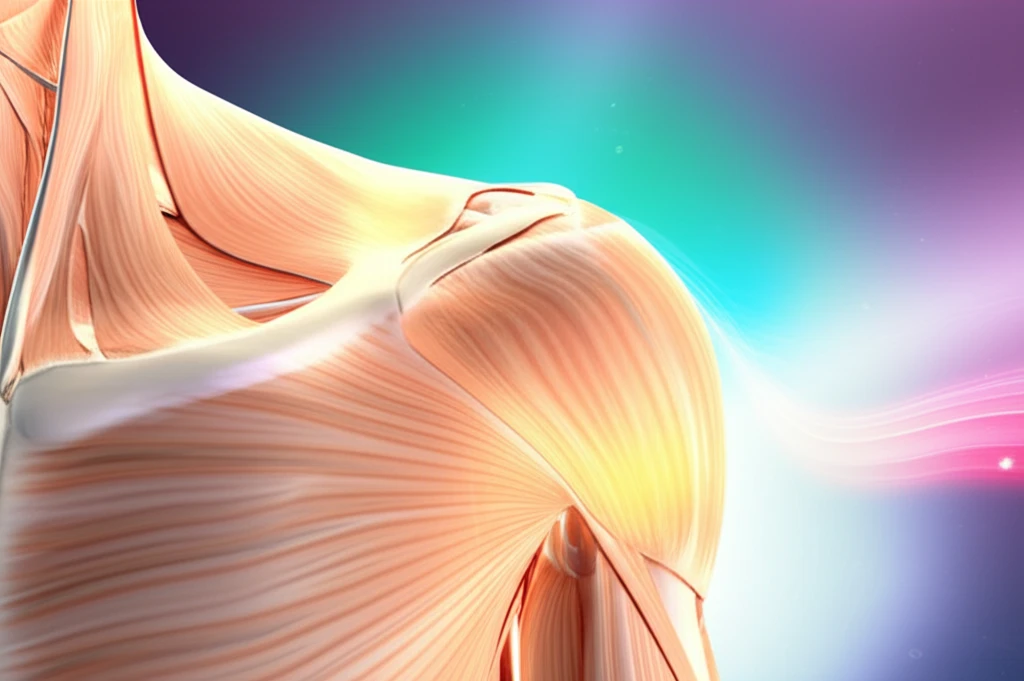
Illustration of a healthy shoulder, highlighting the different parts of the shoulder and surrounding areas.

Unlocking the Secrets of Shoulder Pain: A Guide to Understanding and Finding Relief

"From Everyday Aches to Complex Conditions: A Comprehensive Look at Shoulder Pain and Effective Treatments"


Shoulder pain is a common ailment, affecting people of all ages and activity levels. Whether it's a dull ache after a workout, a sharp pain that limits your daily activities, or a chronic condition that disrupts your sleep, shoulder pain can significantly impact your quality of life. Understanding the different types of shoulder pain, their causes, and the available treatment options is the first step towards finding relief and restoring optimal shoulder function.

This article delves into the intricacies of shoulder pain, covering a range of conditions from common sprains and strains to more complex issues like brachial plexus injuries and Sprengel's deformity. We will explore diagnostic methods, treatment approaches, and the importance of seeking timely medical attention. Our goal is to provide you with the knowledge and resources necessary to navigate the world of shoulder pain and make informed decisions about your care.

We'll explore the latest advancements in treatments, and also discuss the role of physical therapy, medication, and, when necessary, surgical interventions. This guide aims to be a valuable resource for anyone experiencing shoulder pain, empowering you to take control of your shoulder health and regain a pain-free, active lifestyle.

Decoding Shoulder Pain: Common Causes and Conditions

Illustration of a healthy shoulder, highlighting the different parts of the shoulder and surrounding areas.

Shoulder pain can arise from various factors, including injuries, overuse, and underlying medical conditions. Identifying the root cause of your pain is crucial for effective treatment. Some of the most common causes of shoulder pain include:

Many people experience shoulder pain due to injuries. Whether it's a sudden impact during sports or a repetitive motion at work, understanding the nature of the injury can help identify the best course of action. Overuse injuries, such as tendonitis or bursitis, are common in athletes and individuals with physically demanding jobs. These conditions often develop gradually and can cause significant pain and inflammation.

  • Rotator Cuff Injuries: Tears or inflammation of the rotator cuff tendons, often caused by overuse or injury.
  • Shoulder Impingement: When tendons or bursa in the shoulder get pinched, leading to pain and limited movement.
  • Bursitis: Inflammation of the bursa, small, fluid-filled sacs that cushion the shoulder joint.
  • Tendinitis: Inflammation of the tendons, often due to repetitive motions or overuse.
  • Osteoarthritis: Degenerative joint disease that can affect the shoulder, causing pain, stiffness, and decreased range of motion.
  • Brachial Plexus Injuries: Damage to the network of nerves that send signals from the spinal cord to the shoulder, arm, and hand. These can result from trauma or other conditions.
  • Sprengel's Deformity: A congenital condition where the shoulder blade doesn't descend properly during fetal development, leading to a high-riding shoulder.
  • Fractures: Breaks in the bones of the shoulder, often caused by trauma or falls.
  • Acromioclavicular (AC) Joint Injuries: Damage to the joint where the clavicle (collarbone) meets the acromion (part of the shoulder blade).
Less common conditions like brachial plexus injuries and Sprengel's deformity can also cause shoulder pain. These conditions require specialized medical attention for accurate diagnosis and treatment. Furthermore, pain can sometimes originate from other areas of the body and radiate to the shoulder, highlighting the importance of a thorough evaluation by a healthcare professional.

Taking Charge of Your Shoulder Health

Shoulder pain can be a challenging experience, but with the right knowledge and approach, you can find relief and regain your quality of life. By understanding the potential causes of shoulder pain, seeking timely medical attention, and working with healthcare professionals, you can take proactive steps toward a pain-free and active future. Remember to consult with a healthcare professional for a proper diagnosis and personalized treatment plan. Your journey to a healthier shoulder starts today.

About this Article -

This article was crafted using a human-AI hybrid and collaborative approach. AI assisted our team with initial drafting, research insights, identifying key questions, and image generation. Our human editors guided topic selection, defined the angle, structured the content, ensured factual accuracy and relevance, refined the tone, and conducted thorough editing to deliver helpful, high-quality information.See our About page for more information.

Everything You Need To Know

1

What are some common injuries that lead to shoulder pain?

Several injuries can cause shoulder pain, including Rotator Cuff Injuries (tears or inflammation), Shoulder Impingement (pinched tendons or bursa), Bursitis (inflammation of the bursa), Tendinitis (inflammation of the tendons), Fractures (breaks in the shoulder bones), and Acromioclavicular (AC) Joint Injuries (damage to the joint where the clavicle meets the acromion). Each of these impacts the shoulder joint differently, leading to pain and discomfort. Understanding the specific injury is critical for effective treatment.

2

What are some less common conditions that can cause pain?

Less common conditions, such as Brachial Plexus Injuries (damage to the network of nerves that send signals from the spinal cord to the shoulder, arm, and hand) and Sprengel's Deformity (a congenital condition where the shoulder blade doesn't descend properly), can also cause pain. These conditions require specialized medical attention for accurate diagnosis and treatment, distinguishing them from more typical injuries like rotator cuff tears.

3

How does Osteoarthritis affect the shoulder, and what are its symptoms?

Osteoarthritis is a degenerative joint disease that can affect the shoulder, leading to pain, stiffness, and decreased range of motion. As the cartilage in the joint breaks down, the bones can rub together, causing discomfort and limiting mobility. This differs from acute injuries like rotator cuff tears, as osteoarthritis is a chronic condition that develops over time. Management often involves pain relief and strategies to maintain joint function.

4

What is Shoulder Impingement, and how does it cause pain?

Shoulder Impingement occurs when the tendons or bursa in the shoulder get pinched, leading to pain and limited movement. This pinching often happens during overhead activities or repetitive motions, causing inflammation and discomfort. Unlike conditions like Sprengel's Deformity, which is congenital, shoulder impingement typically develops due to overuse or improper mechanics. Treatment focuses on reducing inflammation and restoring proper shoulder mechanics.

5

If I'm experiencing shoulder pain, what steps should I take to ensure I receive the correct diagnosis and treatment?

If you're experiencing shoulder pain, it's important to seek timely medical attention from a healthcare professional. They can provide a proper diagnosis by evaluating the specific symptoms and conducting necessary examinations. Given that shoulder pain can arise from various conditions like Rotator Cuff Injuries, Osteoarthritis, Brachial Plexus Injuries or Sprengel's Deformity, a personalized treatment plan is necessary. This plan might encompass treatments such as physical therapy, medication, or even surgical interventions, depending on the underlying cause and severity of the shoulder pain. Consulting with a healthcare professional is a proactive step towards a pain-free and active life.

Newsletter Subscribe

Subscribe to get the latest articles and insights directly in your inbox.