
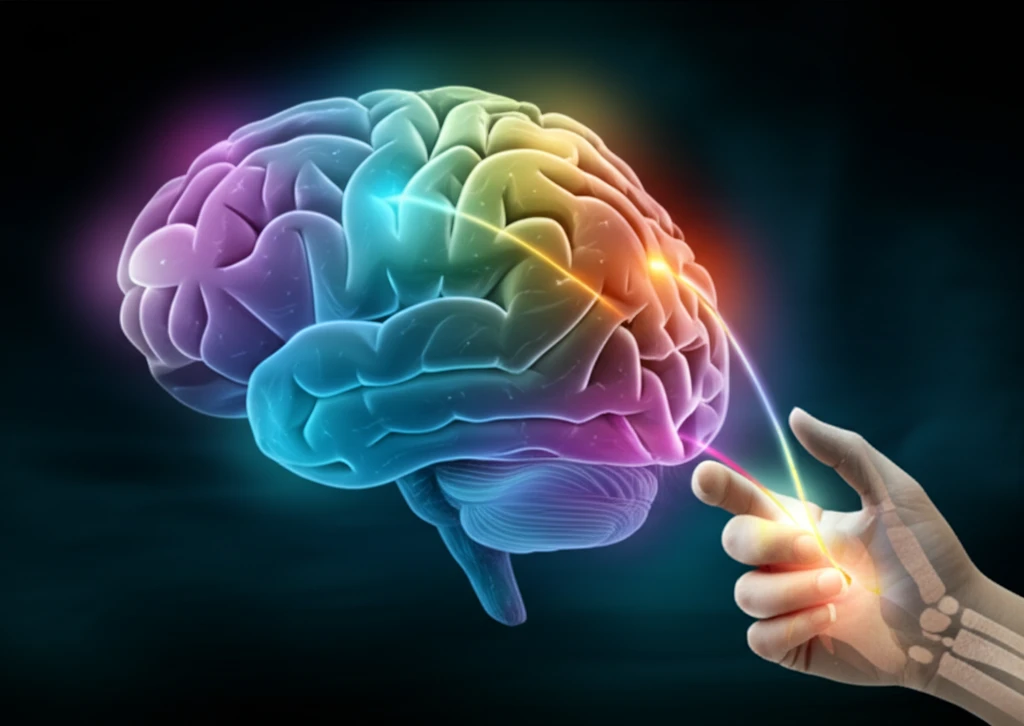
Unlocking the Secrets of Pain: How Brain Imaging is Changing the Game

"From Chronic Pain to Empathy: Exploring the Revolutionary World of Brain Imaging and its Impact on Pain Management"
Pain, an experience as old as humanity itself, has long been a complex and often mysterious phenomenon. For centuries, we've relied on subjective accounts and observational studies to understand its nuances. But now, a revolution is underway. Brain imaging technology, particularly functional magnetic resonance imaging (fMRI), is offering unprecedented insights into the intricate workings of pain within the human brain.
This groundbreaking technology allows scientists to visualize and analyze brain activity in real-time, providing a window into the neural processes that underpin pain perception. From the initial sensation of a sharp sting to the chronic ache that lingers for years, fMRI is helping us map the brain regions involved, identify the underlying mechanisms, and ultimately, develop more effective treatments.
In this article, we'll explore the fascinating world of brain imaging and its profound impact on our understanding of pain. We'll delve into the various types of studies, the key brain regions involved, and the exciting possibilities this technology holds for improving the lives of millions who suffer from pain.
Deciphering the Pain Code: How Brain Imaging Works
At its core, brain imaging uses sophisticated techniques to detect and analyze changes in brain activity. fMRI, for instance, measures blood flow in the brain. When a specific brain region becomes active, it requires more oxygen, leading to increased blood flow in that area. fMRI detects these changes, allowing scientists to create detailed maps of brain activity.
- fMRI (Functional Magnetic Resonance Imaging): Measures blood flow in the brain to detect activity.
- PET (Positron Emission Tomography): Uses radioactive tracers to visualize brain activity and metabolic processes.
- EEG/MEG (Electroencephalography/Magnetoencephalography): Measures electrical activity in the brain, providing insights into the timing of neural events.
- MRS (Magnetic Resonance Spectroscopy): Provides information about the chemical composition of the brain, including neurotransmitter levels.
The Future of Pain Management: A Brighter Tomorrow
Brain imaging is revolutionizing our understanding of pain, offering unprecedented insights into its complexities. As technology advances and our knowledge expands, we can anticipate even more personalized and effective treatments. The future of pain management looks brighter than ever, promising relief and a better quality of life for those who suffer.