
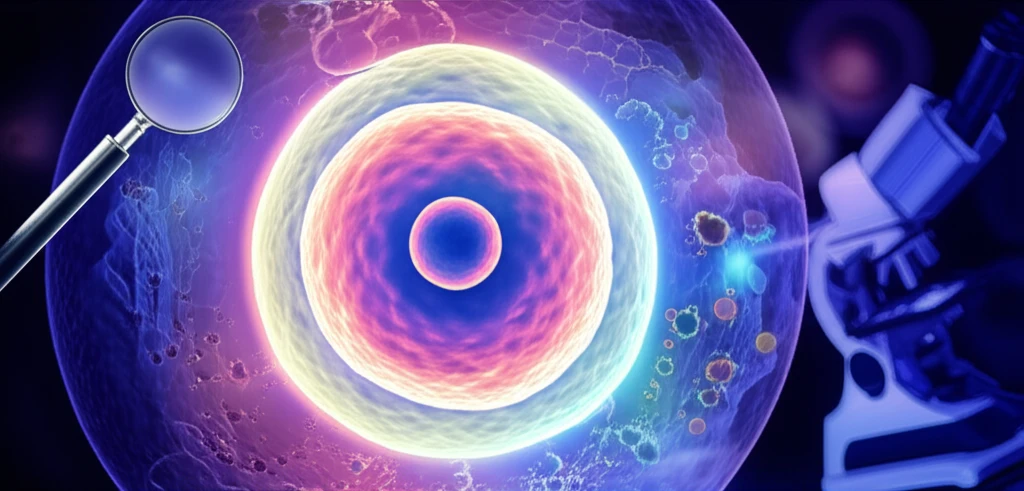
Unlocking the Secrets of Life: A Deep Dive into Mouse Oocyte Development

"From Laboratory to Life: How Scientists are Unraveling the Mysteries of Female Reproduction"
The miracle of life begins at the cellular level, a process of intricate biological dance. The development of the female gamete, the oocyte, is a critical stage in this dance, and understanding this process is key to unlocking the mysteries of reproduction. Recent research, detailed in the publication "Mouse oocyte development - Methods and Protocols" is opening new avenues in the fields of fertility, medicine, and developmental biology.
This isn't just about mice; it's about understanding the fundamental mechanisms of life. The oocyte, the precursor to the egg, undergoes a complex series of events to mature and prepare for fertilization. These events are a microcosm of life itself, and studying them provides invaluable insights into how life begins and how it can sometimes go awry. This research focuses on various techniques, including those using cell culture, microinjection, and advanced imaging, to dissect the intricate processes involved in oocyte development.
This article will provide a concise overview of the groundbreaking research, highlighting the key methods, findings, and their broader implications. Whether you are a student, a medical professional, or simply curious about the wonders of life, prepare to be amazed by the intricate beauty and complexity of the oocyte and the remarkable techniques used to study it.
Deciphering the Oocyte: Key Methods and Findings
The study meticulously details various methods used to investigate mouse oocyte development. The focus is on the methods, tools and techniques used to explore the oocyte's journey, including advanced imaging, in-vitro fertilization, and genetic manipulation. The techniques described aren't just lab procedures; they are windows into the very essence of life, revealing the molecular and cellular events that drive oocyte maturation.
- Cell Culture Techniques: Methods to cultivate granulosa cells, the supportive cells surrounding the oocyte, creating a controlled environment for oocyte development.
- Microinjection: Precise delivery of substances into the oocyte to study the function of specific molecules.
- Immunocytochemistry: Staining techniques to visualize proteins and other molecules within the oocyte, providing information on their location and function.
- Advanced Imaging: Techniques like triple-color live imaging allow researchers to observe the dynamics of the spindle and chromosomes in real-time.
Looking Ahead: The Future of Oocyte Research
The research into oocyte development represents a pivotal step toward understanding the fundamental mechanisms of life and has implications for medical breakthroughs. As technology advances, we can expect even more detailed views of the oocyte and a deeper understanding of its complexities. Future research will likely focus on applying these methods to human oocytes, potentially leading to new treatments for infertility and other reproductive health problems. The journey of understanding the oocyte continues, promising many exciting discoveries and benefits for future generations.