
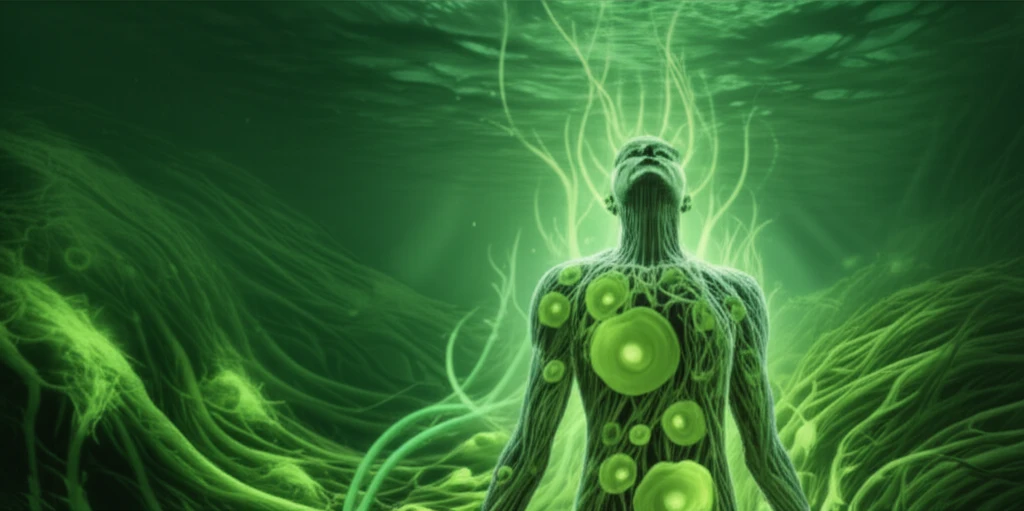
Vibrant microalgae ocean symbolizing cancer therapy breakthrough.

Unlocking the Ocean's Secrets: How Microalgae Could Revolutionize Cancer Therapy

"Explore the cutting-edge research uncovering the potential of microalgae as a powerful ally in the fight against cancer, offering new hope for more effective and less toxic treatments."


Cancer remains one of the most pressing health challenges worldwide, demanding innovative and effective treatment strategies. While conventional therapies like chemotherapy and radiation can be life-saving, they often come with debilitating side effects that significantly impact a patient's quality of life. The search for gentler, yet equally potent, cancer treatments has led researchers to explore the vast potential of the natural world.

Among the most promising areas of investigation is the study of marine flora, particularly microalgae. These microscopic organisms, abundant in both fresh and saltwater environments, are rich in bioactive molecules with remarkable anti-cancer properties. Scientists are now discovering how these natural compounds can be harnessed to target cancer cells, potentially minimizing the harmful side effects associated with traditional therapies.

This article dives into the exciting world of microalgae and their potential to revolutionize cancer therapy. We'll explore the science behind their anti-tumor activities, highlighting specific types of microalgae and the mechanisms through which they combat cancer cells, offering a glimpse into the future of cancer treatment.

Microalgae: A Tiny Powerhouse of Anti-Cancer Compounds

Vibrant microalgae ocean symbolizing cancer therapy breakthrough.

Microalgae are single-celled, plant-like organisms that harness the power of photosynthesis to create energy. But beyond their basic biological function, they are veritable treasure chests of bioactive compounds, including carotenoids, polysaccharides, vitamins, sterols, and essential minerals. These compounds, developed by microalgae for survival and defense in often harsh environments, are now being investigated for their therapeutic potential in humans.

What makes microalgae so appealing in cancer research? It's their unique ability to target cancer cells through various mechanisms, including:

  • Inducing Apoptosis: Triggering programmed cell death in cancer cells, preventing them from multiplying and spreading.
  • Arresting Cell Cycle: Disrupting the uncontrolled cell division that characterizes cancer, halting its progression.
  • Inhibiting Angiogenesis: Preventing the formation of new blood vessels that tumors need to grow and metastasize.
  • Modulating the Immune System: Boosting the body's natural defenses to recognize and attack cancer cells.
These diverse actions make microalgae a promising source of novel anti-cancer drugs, offering the potential to overcome the limitations and side effects of current treatments. Let's delve into some specific examples of microalgae species and their remarkable anti-cancer properties:

The Future is Green: Microalgae as a Key Player in Cancer Treatment

The research into microalgae and their anti-cancer properties is still in its early stages, but the results so far are incredibly promising. As scientists continue to unravel the complex mechanisms through which these tiny organisms combat cancer, we can expect to see the development of new and innovative therapies that are more effective and less harmful than current treatments. Microalgae may well hold the key to a future where cancer is no longer a life-threatening disease, but a manageable condition.

About this Article -

This article was crafted using a human-AI hybrid and collaborative approach. AI assisted our team with initial drafting, research insights, identifying key questions, and image generation. Our human editors guided topic selection, defined the angle, structured the content, ensured factual accuracy and relevance, refined the tone, and conducted thorough editing to deliver helpful, high-quality information.See our About page for more information.

Everything You Need To Know

1

What exactly are microalgae, and what makes them special?

Microalgae are single-celled, plant-like organisms that use photosynthesis to create energy. They contain bioactive compounds like carotenoids, polysaccharides, vitamins, sterols, and essential minerals. These compounds give them the ability to target cancer cells.

2

Why are microalgae considered important in the context of cancer research?

Microalgae are significant because they can target cancer cells through multiple mechanisms. These mechanisms include inducing apoptosis (programmed cell death), arresting the cell cycle (halting uncontrolled cell division), inhibiting angiogenesis (preventing blood vessel formation for tumors), and modulating the immune system to fight cancer cells.

3

What are the potential implications of using microalgae in cancer treatment?

Microalgae can potentially lead to the development of new and innovative cancer therapies that are more effective and less harmful than current treatments like chemotherapy and radiation. They offer the possibility of overcoming the limitations and side effects associated with these traditional cancer treatments, offering hope for a future where cancer is more manageable.

4

How are scientists exploring the use of microalgae in cancer therapy?

Scientists are exploring how microalgae can be used in cancer therapy by harnessing their unique anti-cancer properties. They are studying how the bioactive compounds in microalgae can target and destroy cancer cells while minimizing harm to healthy cells in the body. This involves understanding the specific mechanisms through which different types of microalgae combat cancer.

5

What are the current focuses of research regarding microalgae and cancer?

Current research is focused on understanding the complex mechanisms through which microalgae combat cancer. This includes identifying the specific bioactive compounds responsible for their anti-tumor activities and exploring how these compounds can be used to develop targeted cancer therapies. Further research is needed to fully unlock their therapeutic potential and translate these findings into clinical applications.

Newsletter Subscribe

Subscribe to get the latest articles and insights directly in your inbox.