
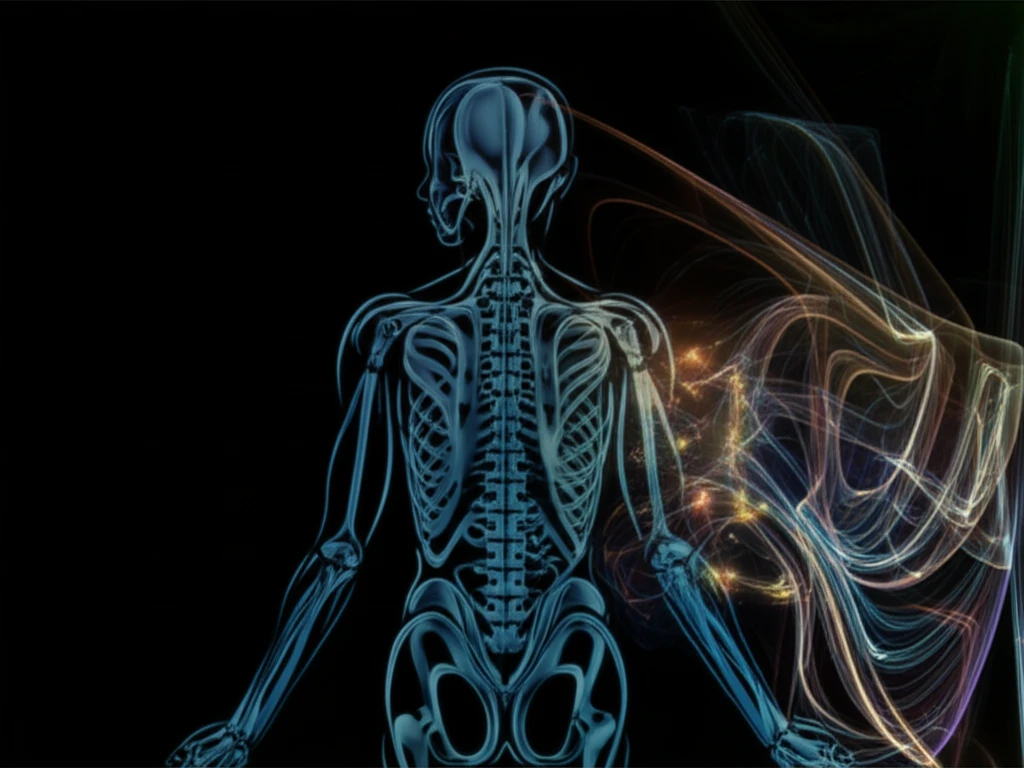
Abstract illustration representing the connection between emotions, thoughts, and chronic back pain.

Unlocking the Mystery of Chronic Low Back Pain: How Your Thoughts and Feelings Play a Role

"New research reveals the hidden link between emotional regulation, thought patterns, and the intensity of chronic low back pain, paving the way for more effective treatment strategies."


Chronic low back pain is a widespread issue, significantly impacting individuals' lives and placing a burden on healthcare systems. While physical factors are often the primary focus, it's becoming increasingly clear that psychological and emotional factors play a crucial role in the experience and persistence of this type of pain.

Traditional approaches to understanding and treating chronic pain have often fallen short because they don't fully account for the complex interplay between the body and mind. Emerging research suggests that certain thought patterns and emotional regulation difficulties can act as 'vulnerability factors,' influencing how individuals perceive pain and disability.

This article explores groundbreaking research into the transdiagnostic processes involved in chronic low back pain. We'll delve into how difficulties with emotional regulation, somatosensory amplification (the tendency to focus on and amplify physical sensations), and rumination (repetitive negative thinking) can intensify the experience of pain and disability, offering new insights for both sufferers and healthcare professionals.

Decoding the Link: How Thoughts and Feelings Impact Pain

Abstract illustration representing the connection between emotions, thoughts, and chronic back pain.

A recent study published in the Scandinavian Journal of Pain investigated the impact of cognitive and emotional processes on psychological risk factors associated with chronic low back pain. Researchers examined 256 patients with chronic low back pain, assessing various psychological variables through validated questionnaires.

The study's findings highlight the significant role of several key factors:

  • Emotional Regulation Difficulties: Struggles with controlling impulsive behaviors, accessing emotional regulation strategies, and identifying/clarifying emotions were linked to increased depression, a major risk factor for chronic pain.
  • Somatosensory Amplification: A tendency to focus on and amplify bodily sensations was associated with higher levels of catastrophizing (exaggerated negative thinking about pain) and stronger fear-avoidance beliefs. It also acted as a moderator, intensifying the relationship between fear-avoidance beliefs related to work and the actual intensity of pain.
  • Rumination: Repetitive negative thinking, particularly brooding (dwelling on negative feelings), contributed to increased catastrophizing and helplessness. Rumination also played a role in moderating the link between depression and functional repercussions on daily life.
These results suggest that certain cognitive and emotional processes can significantly influence the severity of pain and disability in individuals with chronic low back pain. Addressing these factors may be key to developing more effective treatment strategies.

Empowering Yourself: Taking Control of Your Pain

This research offers a powerful message: you are not simply a victim of your pain. Your thoughts, feelings, and the way you process physical sensations can significantly impact your experience.

Here are some potential steps you can take to manage your pain more effectively:

<ul><li><b>Seek Psychological Support:</b> Cognitive behavioral therapy (CBT) and other therapies can help you develop coping mechanisms for managing difficult emotions, challenging negative thought patterns, and reducing somatosensory amplification.</li><li><b>Practice Mindfulness and Meditation:</b> These techniques can help you become more aware of your thoughts and feelings without judgment, allowing you to respond to pain in a more balanced way.</li><li><b>Engage in Regular Physical Activity:</b> While it may seem counterintuitive, gentle exercise can help reduce pain and improve your overall well-being. Work with a physical therapist to develop a safe and effective exercise plan.</li><li><b>Build a Support System:</b> Connecting with others who understand chronic pain can provide valuable emotional support and reduce feelings of isolation.</li></ul>By addressing the psychological and emotional factors contributing to your pain, you can take a more active role in your recovery and improve your quality of life.

About this Article -

This article was crafted using a human-AI hybrid and collaborative approach. AI assisted our team with initial drafting, research insights, identifying key questions, and image generation. Our human editors guided topic selection, defined the angle, structured the content, ensured factual accuracy and relevance, refined the tone, and conducted thorough editing to deliver helpful, high-quality information.See our About page for more information.

This article is based on research published under:

DOI-LINK: 10.1016/j.sjpain.2017.08.008, Alternate LINK

Title: Chronic Low Back Pain And The Transdiagnostic Process: How Do Cognitive And Emotional Dysregulations Contribute To The Intensity Of Risk Factors And Pain?

Subject: Anesthesiology and Pain Medicine

Journal: Scandinavian Journal of Pain

Publisher: Walter de Gruyter GmbH

Authors: Margaux Le Borgne, Abdel Halim Boudoukha, Audrey Petit, Yves Roquelaure

Published: 2017-10-01

Everything You Need To Know

1

How do emotions affect chronic low back pain?

Chronic low back pain is a complex condition influenced by both physical and psychological factors. This research highlights how Emotional Regulation Difficulties can significantly worsen the experience of pain. Difficulties in controlling impulsive behaviors, identifying emotions, and utilizing emotional regulation strategies are directly linked to increased depression, a significant risk factor for chronic pain. This suggests that addressing emotional regulation challenges is crucial for managing and potentially reducing the intensity of chronic low back pain.

2

What is Somatosensory Amplification, and how does it relate to pain?

Somatosensory Amplification refers to the tendency to focus on and exaggerate physical sensations. In this context, it's linked to higher levels of catastrophizing and stronger fear-avoidance beliefs. Individuals with Somatosensory Amplification tend to catastrophize their pain experiences, meaning they engage in exaggerated negative thinking about their pain. This amplification also intensifies the link between fear-avoidance beliefs and the actual intensity of pain. This means the more a person fears certain movements or activities due to pain, the more the pain impacts their life.

3

How does Rumination impact chronic low back pain?

Rumination, specifically brooding, is a pattern of repetitive negative thinking that can intensify the experience of chronic low back pain. It contributes to increased catastrophizing and feelings of helplessness. Research shows that Rumination also influences the relationship between depression and the impact of pain on daily life. Therefore, addressing rumination through therapeutic interventions may help reduce pain severity and improve overall well-being by modifying thought patterns and emotional responses.

4

Why is this research important for treatment?

The significance of these findings lies in their implications for treatment strategies. The research suggests that treating chronic low back pain should not only focus on physical aspects but also address psychological factors. Recognizing the impact of Emotional Regulation Difficulties, Somatosensory Amplification, and Rumination allows for the development of more comprehensive treatment plans. These might include therapies that target emotional regulation skills, cognitive behavioral therapy (CBT) to address maladaptive thought patterns, and mindfulness practices to reduce rumination and improve awareness of bodily sensations.

5

How can I take control of my pain?

Individuals can empower themselves by understanding the connection between their thoughts, feelings, and pain experiences. One can become aware of their own Emotional Regulation Difficulties, Somatosensory Amplification, and Rumination tendencies. This awareness allows individuals to seek appropriate interventions such as therapy, mindfulness practices, or cognitive techniques. Taking control of one's pain involves actively engaging in strategies that promote emotional regulation, challenge negative thought patterns, and modify how one perceives and responds to physical sensations, leading to better pain management and improved quality of life.

Newsletter Subscribe

Subscribe to get the latest articles and insights directly in your inbox.