
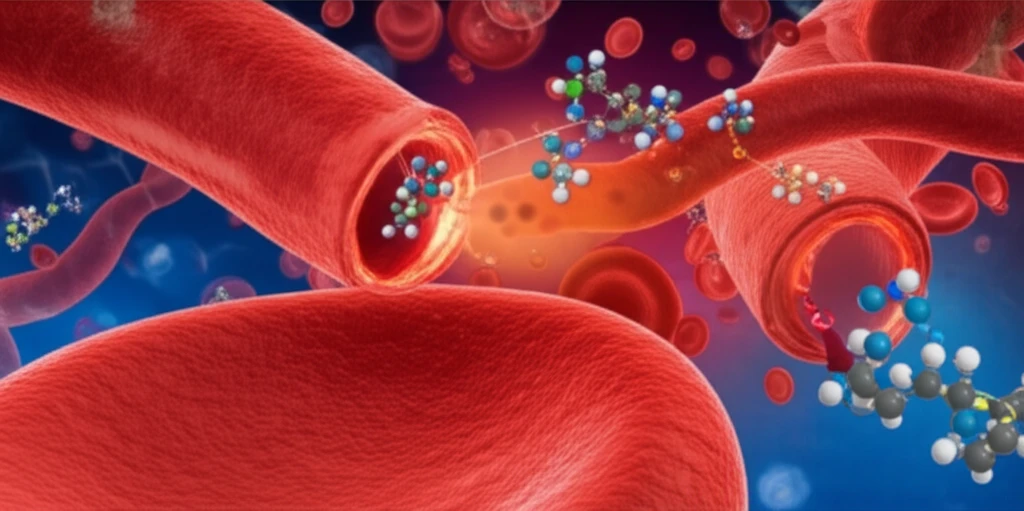
Unlocking the Mysteries of Inflammation: How TNF-α Impacts Your Blood Vessels

"Delving into the role of glycosphingolipids and their impact on vascular endothelial cells under inflammatory conditions."
Inflammation is your body’s natural response to injury or infection, but chronic inflammation can wreak havoc on your health, particularly on your vascular system. Recent research has shed light on the intricate mechanisms through which inflammatory signals, such as Tumor Necrosis Factor-alpha (TNF-α), influence the inner workings of blood vessels.
A groundbreaking study by Tetsuya Okuda delves into the structural changes and dynamics of globotetraosylceramide (Gb4), a type of glycosphingolipid, in vascular endothelial cells when stimulated by TNF-α. This research uncovers how TNF-α essentially orchestrates changes in these cells, impacting their function and potentially contributing to vascular diseases.
This article breaks down the complexities of Okuda's research, making it accessible and relevant for anyone interested in understanding how inflammation affects their vascular health. Whether you’re a healthcare professional or someone keen on staying informed, this article provides valuable insights into the molecular basis of inflammation-associated pathologies in blood vessels.
Decoding TNF-α’s Impact: What Happens in Your Blood Vessels?
TNF-α, a potent inflammatory cytokine, plays a significant role in various inflammatory conditions. In vascular endothelial cells—the cells lining your blood vessels—TNF-α triggers a cascade of molecular events that can alter their structure and function. Okuda's research specifically focuses on how TNF-α affects glycosphingolipids, particularly Gb4, within these cells.
- TNF-α upregulates Gb4 expression in vascular endothelial cells.
- Gb4 molecules with very-long-chain fatty acids are predominant.
- TNF-α promotes transcription of Elovl1 and Cers5 genes, crucial for Gb4 synthesis.
Practical Implications: What Does This Mean for You?
Understanding how TNF-α influences glycosphingolipid metabolism in vascular endothelial cells opens new avenues for therapeutic interventions. By targeting specific enzymes or molecules involved in this process, researchers may develop strategies to mitigate inflammation-associated vascular damage. For individuals at risk of vascular diseases, maintaining a healthy lifestyle, managing inflammation through diet and exercise, and consulting with healthcare professionals can help protect vascular health. This research provides a foundation for future studies aimed at unraveling the molecular intricacies of vascular inflammation and developing targeted therapies to improve outcomes.