
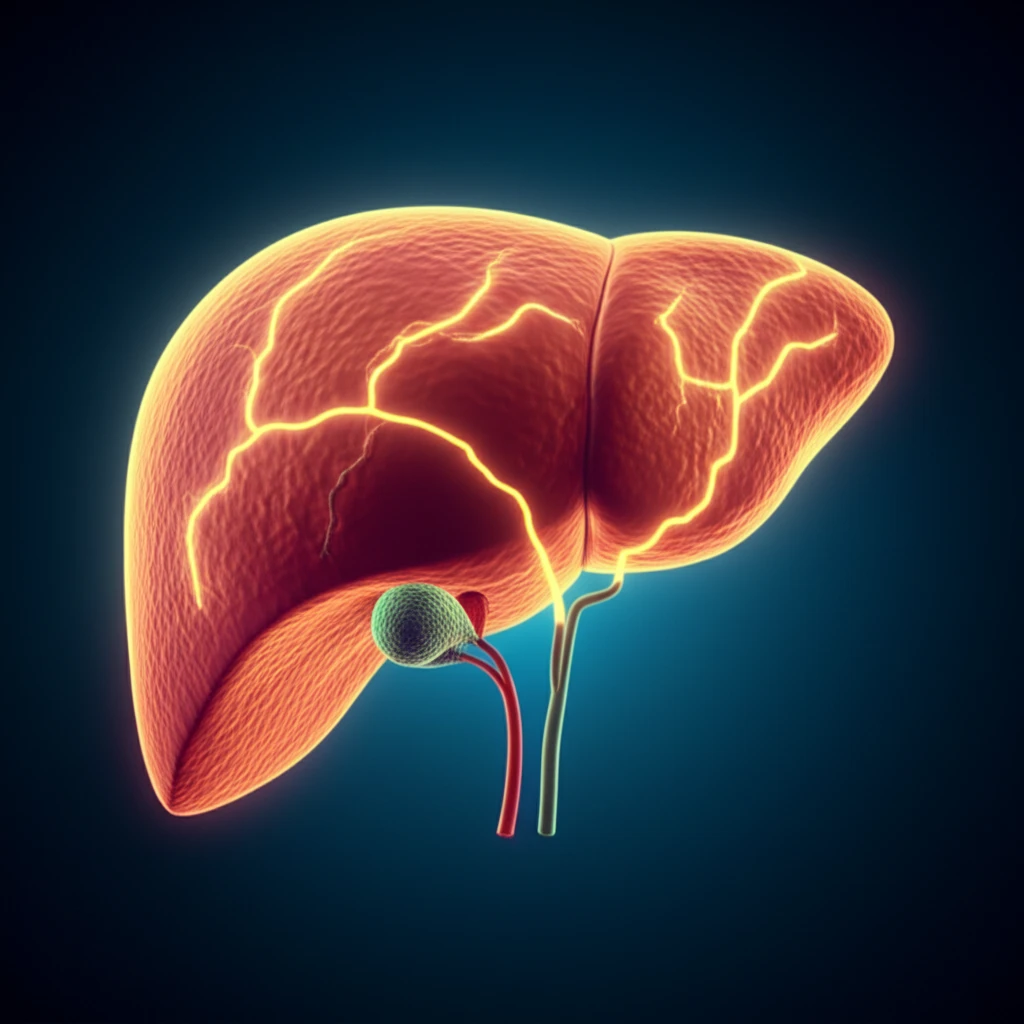
Unlocking the Liver's Secret: How One Enzyme Could Revolutionize Fatty Liver Treatment

"Discover how the Them2 enzyme directs fat, offering potential new therapies for NAFLD and related conditions."
Non-alcoholic fatty liver disease (NAFLD) is a growing health concern, affecting millions worldwide. It occurs when excessive fat accumulates in the liver, leading to inflammation and potential liver damage. NAFLD is often linked to obesity, diabetes, and high cholesterol, making it a significant risk factor for cardiovascular disease and other serious conditions.
The liver's delicate balance between fat storage, breakdown, and export is crucial for overall health. When this balance is disrupted, fat accumulates, leading to NAFLD. Understanding the mechanisms that regulate this balance is essential for developing effective treatments.
Exciting new research has uncovered a key player in liver fat metabolism: an enzyme called Them2. Scientists have discovered that Them2 plays a critical role in directing fatty acids within the liver, influencing whether they are stored, burned for energy, or exported out of the liver. This discovery opens up new possibilities for treating NAFLD and related metabolic disorders.
Them2: The Liver's Fat Traffic Controller
Them2, short for thioesterase superfamily member 2, is an enzyme that acts like a traffic controller for fatty acids within the liver. It helps decide where these fats should go, influencing critical processes such as:
- Fatty Acid Oxidation: Breaking down fats for energy.
- Triglyceride Synthesis: Creating fat molecules for storage or export.
- VLDL Secretion: Packaging and shipping fats out of the liver.
The Future of Fatty Liver Treatment
The discovery of Them2's role in liver fat metabolism offers a promising new avenue for treating NAFLD and related conditions. By targeting Them2, researchers hope to develop therapies that can restore the liver's fat balance, reduce inflammation, and improve overall metabolic health. While further research is needed, this breakthrough represents a significant step forward in the fight against fatty liver disease.