
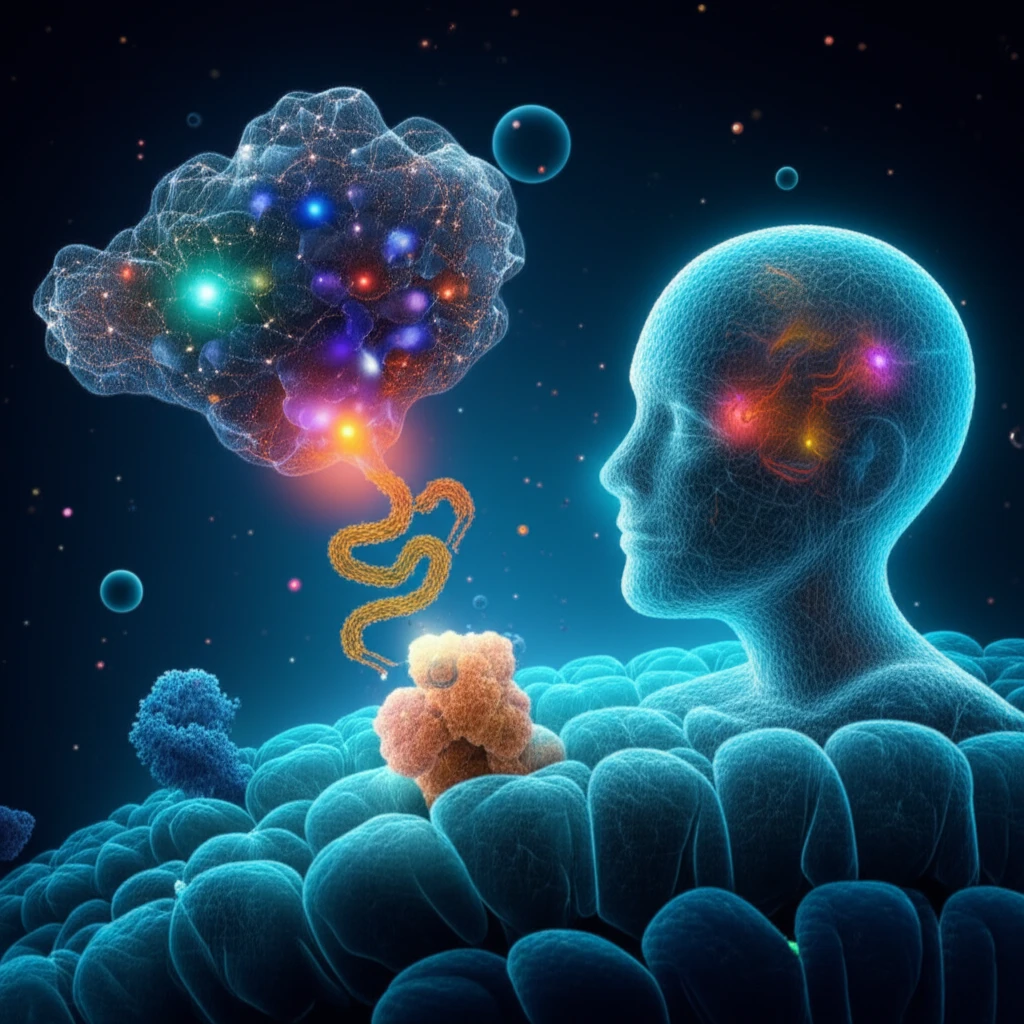
Illustration depicting the interaction of insulin with a cell, emphasizing protein synthesis and eIF5A.

Unlocking the Insulin Code: How This Hormone Impacts Protein Synthesis and More

"New research delves into insulin's fascinating role in regulating protein synthesis and its unexpected connection to a key cellular process."


Insulin, a hormone often associated with blood sugar, plays a much broader role in your body than you might realize. Beyond managing glucose levels, insulin is a central player in how your cells build and maintain proteins, the essential building blocks for life. This latest research takes a closer look at insulin's impact on protein synthesis and its surprising connection to a lesser-known cellular component.

The study focuses on a protein called eIF5A, a critical factor in cellular processes. While eIF5A might not be a household name, it's essential for cellular health and function, influencing everything from cell growth to how your body responds to certain diseases. This investigation explores the interplay between insulin, protein synthesis, and eIF5A, offering new insights into how your body works at a cellular level.

This article will break down the complex findings of this research in a clear and accessible way. You'll discover how insulin influences the production of proteins, what role eIF5A plays in this process, and what these findings could mean for your overall health. Prepare to dive into the fascinating world of cellular biology and learn how insulin and eIF5A work together.

The Insulin-Protein Synthesis Connection: A Deep Dive

Illustration depicting the interaction of insulin with a cell, emphasizing protein synthesis and eIF5A.

The study highlights insulin's key role in protein synthesis. Insulin essentially acts as a signal that tells your cells to absorb amino acids, the raw materials for building proteins. It also activates the machinery that actually assembles these proteins. This research confirms that insulin isn't just about blood sugar; it's a master regulator of protein production.

The research also looked at how insulin affects eIF5A. Scientists found that insulin influences the levels of eIF5A transcripts. This suggests that insulin might play a role in the production and availability of eIF5A within the cell. The study's findings offer a new perspective on insulin's function, highlighting its wide-ranging influence on cellular activities.

  • Insulin's Role in Protein Uptake: Insulin promotes the absorption of amino acids, the building blocks of proteins.
  • Activation of Protein Synthesis Machinery: Insulin activates the cellular processes responsible for building proteins.
  • Impact on eIF5A: Insulin influences the levels of eIF5A, a key cellular component.
The findings presented in the study could have a broad impact. Understanding the connection between insulin, eIF5A, and protein synthesis could open new avenues for research into various health conditions. By examining these interactions, scientists may develop novel treatments for diseases related to protein metabolism and cellular function.

What Does This Mean for Your Health?

This research provides a deeper understanding of the intricate ways insulin impacts your body. By exploring the relationship between insulin, protein synthesis, and eIF5A, scientists are gaining new insights into how your cells function at a molecular level. These findings highlight the importance of insulin's role in maintaining overall health and could pave the way for new medical advancements in the future.

About this Article -

This article was crafted using a human-AI hybrid and collaborative approach. AI assisted our team with initial drafting, research insights, identifying key questions, and image generation. Our human editors guided topic selection, defined the angle, structured the content, ensured factual accuracy and relevance, refined the tone, and conducted thorough editing to deliver helpful, high-quality information.See our About page for more information.

Everything You Need To Know

1

What is the primary function of insulin beyond regulating blood sugar levels?

Beyond its well-known role in managing blood sugar, insulin is a crucial regulator of protein synthesis. It acts as a signal to cells to absorb amino acids, the building blocks of proteins, and also activates the cellular machinery responsible for assembling these proteins. This wider role highlights insulin's essential function in cellular health and overall well-being, extending far beyond glucose regulation.

2

How does insulin influence the process of protein synthesis within cells?

Insulin plays a dual role in protein synthesis. First, it facilitates the absorption of amino acids, which are the raw materials required to build proteins. Second, insulin activates the cellular processes and machinery that actually construct these proteins. This suggests a critical role for insulin in both providing the necessary components and triggering the assembly process within cells, demonstrating its fundamental importance to cellular function.

3

What is eIF5A, and why is it important in the context of insulin and cellular health?

eIF5A is a key cellular component involved in various cellular processes, including cell growth and response to diseases. It's also essential for cellular health and function. This research reveals that insulin influences the levels of eIF5A transcripts. Thus, insulin's impact on eIF5A suggests a connection between insulin and the regulation of this important cellular factor. Understanding this connection may provide new insights into diseases linked to protein metabolism and cellular functionality.

4

What are the potential implications of the research findings on the connection between insulin, protein synthesis, and eIF5A?

The research suggests that the relationship between insulin, protein synthesis, and eIF5A could offer new avenues for research into various health conditions. By further examining these interactions, scientists may be able to develop novel treatments for diseases related to protein metabolism and cellular function. This understanding could lead to advances in medical treatments, including targeted therapies for conditions where protein synthesis or eIF5A activity is disrupted.

5

How can the understanding of insulin's broader role impact overall health and future medical advancements?

By exploring the relationship between insulin, protein synthesis, and eIF5A, scientists gain deeper insights into how cells function at a molecular level. These findings emphasize the significance of insulin in maintaining overall health. Understanding insulin's role can open new avenues for research into various health conditions, which might lead to novel treatments for diseases related to protein metabolism and cellular function. These discoveries can pave the way for future medical advancements and improved patient outcomes.

Newsletter Subscribe

Subscribe to get the latest articles and insights directly in your inbox.