
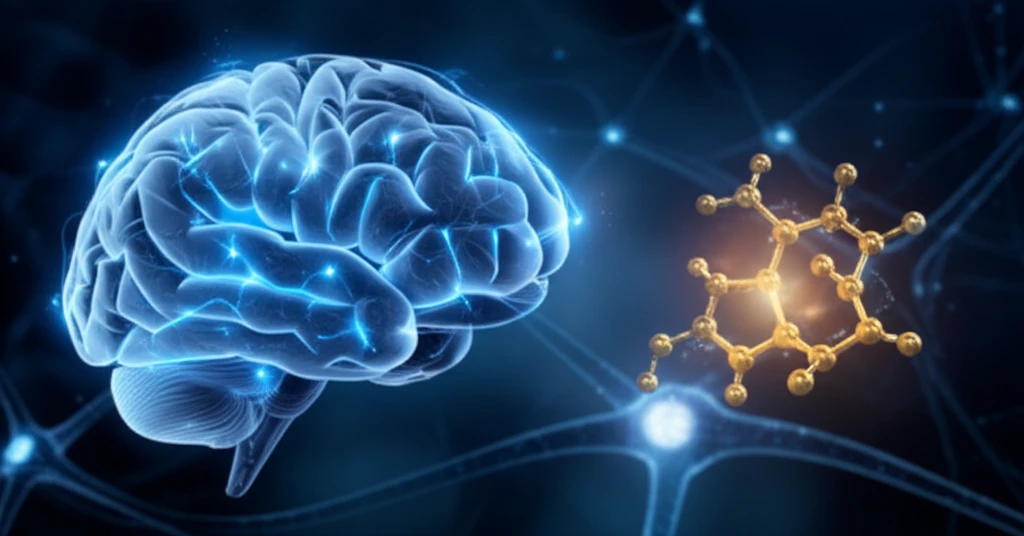
Unlocking the Brain's Secrets: How a Tiny Molecule Could Revolutionize Pain Relief

"Groundbreaking research explores the potential of 5-BDBD, a promising new antagonist, in treating chronic pain and understanding the complexities of the brain."
Chronic pain affects millions worldwide, significantly impacting quality of life. From backaches to nerve damage, the search for effective treatments is ongoing. Traditional pain medications often come with side effects or limited efficacy, highlighting the urgent need for new therapeutic approaches. Now, a novel molecule, 5-BDBD, is emerging as a potential game-changer in pain management, offering a new avenue for relief.
5-BDBD, a compound with a unique mechanism of action, has shown promising results in early research. This article explores the science behind 5-BDBD, its effects on brain receptors, and its potential to alleviate pain. We'll delve into the intricacies of the brain's pain pathways, the role of specific receptors, and how 5-BDBD interacts with these systems to provide relief. The potential for this new molecule is not just in pain relief, but in understanding brain function.
This article provides an accessible overview of the research on 5-BDBD, focusing on its potential to revolutionize pain treatment. We'll examine the current state of pain management, the challenges in finding effective treatments, and how 5-BDBD could offer new hope. We'll also look at the future implications of this research, including potential for more personalized medicine and a deeper understanding of the brain's complex mechanisms. The exploration of 5-BDBD is an exciting step forward in the quest for effective pain solutions.
Deciphering the Role of P2X4 Receptors in Pain and Brain Function
At the heart of this research lies the P2X4 receptor, a key player in the brain's pain signaling pathways. P2X4 receptors are ion channels activated by extracellular ATP, and are found in various brain regions. When activated, these receptors contribute to the transmission of pain signals, making them a crucial target for pain relief.
- Synaptic Plasticity: P2X4 receptors influence how nerve cells communicate, affecting learning and memory.
- Inflammation: These receptors play a role in inflammatory responses within the brain, contributing to pain and other conditions.
- Pain Signaling: By modulating P2X4 receptors, scientists aim to interrupt pain signals at their source, providing relief.
The Future of Pain Relief with 5-BDBD
The research on 5-BDBD represents a significant advancement in pain management and neuroscience. As studies continue, this innovative molecule holds the potential to transform how we approach and treat chronic pain. With further research, 5-BDBD could lead to more effective, targeted therapies, offering a brighter future for those who suffer. The ongoing study of 5-BDBD may unlock new information about brain function, leading to additional solutions for various health challenges. The potential of this promising molecule is an exciting prospect for the future of health and wellness.