
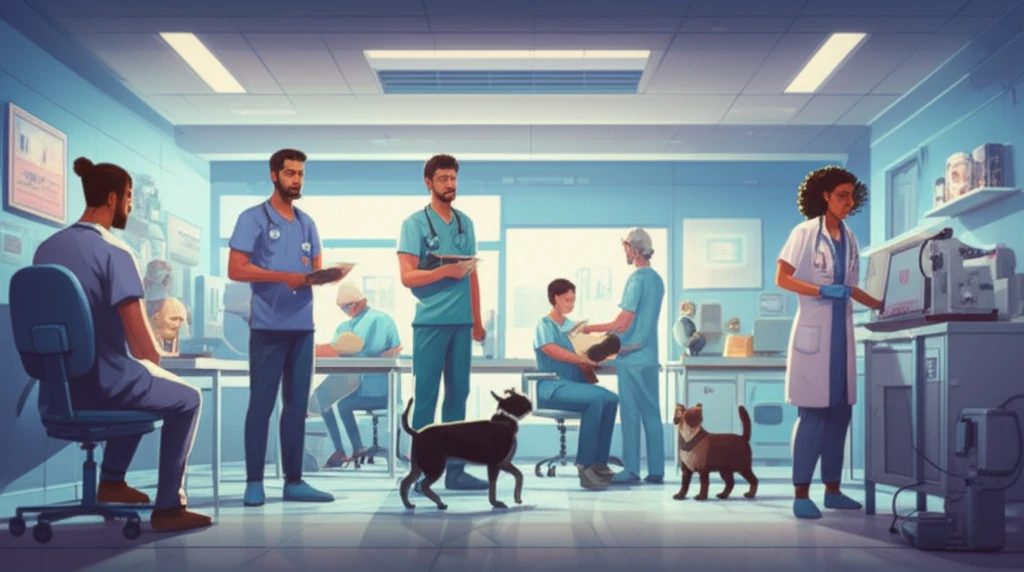
Diverse team of veterinary professionals working collaboratively in a modern animal clinic.

Unlocking Success: Why Soft Skills are the Secret Weapon for Veterinary Tech Grads

"Discover how developing essential soft skills can give veterinary technology graduates a competitive edge in the job market and boost their career prospects."


In today's rapidly evolving job market, technical expertise alone is no longer enough to guarantee success. Employers are increasingly seeking well-rounded individuals who possess a combination of technical skills and essential soft skills. The veterinary technology field is no exception, where professionals need to be adept at handling animals and communicating effectively with clients and colleagues.

According to the Bureau of Labor Statistics, the veterinary technology profession is projected to grow significantly in the coming years, driven by the increasing demand for advanced animal care. As technology continues to transform the industry, veterinary technologists must possess the necessary skills to thrive in this dynamic environment. In addition, veterinary practices need personnel to drive positive outcomes with client relations.

This article delves into the crucial role of soft skills in the veterinary technology field, examining how these skills can enhance career prospects and contribute to the success of veterinary businesses. By understanding the importance of soft skills and cultivating these abilities, veterinary technology graduates can gain a competitive edge and make a meaningful impact in the lives of animals and their owners.

Why Soft Skills Matter: More Than Just Animal Care

Diverse team of veterinary professionals working collaboratively in a modern animal clinic.

Soft skills, also known as interpersonal or people skills, encompass a wide range of abilities that enable individuals to interact effectively with others. Unlike technical skills, which are specific to a particular job or task, soft skills are transferable and applicable across various settings. In the veterinary technology field, soft skills play a vital role in building rapport with clients, collaborating with colleagues, and providing compassionate care to animals.

Research consistently demonstrates the importance of soft skills in the workplace. Studies have found that employees with strong soft skills are more likely to be successful in their careers, earn higher salaries, and experience greater job satisfaction. Moreover, businesses that prioritize soft skills training tend to have higher employee retention rates and improved customer satisfaction.

  • Communication: Effective verbal and written communication skills are essential for conveying information clearly and concisely to clients, colleagues, and supervisors.
  • Teamwork: The ability to collaborate effectively with others is crucial in a veterinary setting, where professionals often work together to provide comprehensive care to animals.
  • Problem-solving: Veterinary technologists must be able to think critically and solve problems quickly and efficiently, especially in emergency situations.
  • Empathy: Showing compassion and understanding towards animals and their owners is essential for building trust and providing high-quality care.
  • Time Management: Veterinary technologists often juggle multiple tasks and responsibilities, making time management skills crucial for staying organized and efficient.
While technical skills are undoubtedly important in the veterinary technology field, soft skills can often be the differentiating factor that sets successful professionals apart. By mastering these essential abilities, veterinary technology graduates can enhance their career prospects and make a lasting impact in the lives of animals and their owners.

The Future of Veterinary Technology: A Call for Soft Skills Integration

As the veterinary technology field continues to evolve, it is essential for educators and industry professionals to recognize the importance of soft skills and integrate them into training programs. By providing students with opportunities to develop these abilities, we can ensure that they are well-prepared to meet the demands of the modern veterinary workplace and provide exceptional care to animals and their owners. Veterinary practices and hospitals who nurture soft skills among their staff will benefit through employee retention and client satisfaction.

About this Article -

This article was crafted using a human-AI hybrid and collaborative approach. AI assisted our team with initial drafting, research insights, identifying key questions, and image generation. Our human editors guided topic selection, defined the angle, structured the content, ensured factual accuracy and relevance, refined the tone, and conducted thorough editing to deliver helpful, high-quality information.See our About page for more information.

Everything You Need To Know

1

What are the most important soft skills for veterinary technology graduates to develop?

The most important soft skills for veterinary technology graduates include communication, teamwork, problem-solving, empathy, and time management. Effective communication is crucial for conveying information clearly to clients and colleagues. Teamwork is essential for collaborating in a veterinary setting. Problem-solving enables quick and efficient solutions, especially in emergencies. Empathy builds trust and provides quality care, while time management helps stay organized and efficient with multiple responsibilities.

2

Why are soft skills considered so crucial in the veterinary technology field, beyond just technical expertise?

Soft skills are crucial in the veterinary technology field because they complement technical expertise, enabling effective interaction with clients, colleagues, and animals. While technical skills are essential for performing tasks, soft skills like communication, empathy, and teamwork facilitate building rapport with clients, collaborating with colleagues, and providing compassionate animal care. These skills lead to higher success, job satisfaction, and improved business outcomes.

3

How can developing soft skills enhance the career prospects for veterinary technology graduates?

Developing soft skills can significantly enhance the career prospects for veterinary technology graduates. Strong soft skills set professionals apart, making them more competitive in the job market. Graduates with well-developed communication skills can clearly convey information, while those with teamwork abilities can collaborate effectively. Problem-solving skills are crucial for quick solutions, and empathy builds trust. These attributes lead to greater success, higher salaries, and better job satisfaction, as research consistently demonstrates.

4

What is the role of soft skills in improving client satisfaction and employee retention within veterinary practices?

Soft skills play a significant role in improving client satisfaction and employee retention within veterinary practices. Veterinary practices that nurture soft skills among their staff experience higher employee retention rates because employees feel valued and are better equipped to handle the demands of their roles. Improved communication, empathy, and teamwork enhance interactions with clients, leading to higher satisfaction. Satisfied clients are more likely to return, contributing to the overall success and positive reputation of the practice.

5

How can veterinary technology educators and industry professionals integrate soft skills into training programs to prepare future professionals?

Veterinary technology educators and industry professionals can integrate soft skills into training programs by providing opportunities for students to develop these abilities. This includes incorporating communication exercises, teamwork projects, and scenarios that require problem-solving and empathy. They can offer workshops and seminars focused on time management, conflict resolution, and client interaction. By emphasizing the importance of soft skills and providing practical training, educators can ensure that graduates are well-prepared to meet the demands of the modern veterinary workplace and provide exceptional care.

Newsletter Subscribe

Subscribe to get the latest articles and insights directly in your inbox.