
Unlocking Relief: Can 'Dry Immersion' Ease Parkinson's Motor Symptoms?

"A novel approach explores how simulating weightlessness could offer a promising path to alleviate rigidity and tremor for those living with Parkinson's."
Parkinson's disease (PD) presents a significant challenge, characterized by motor and non-motor symptoms that impact patients' safety, well-being, and overall quality of life. The condition, marked by rigidity, tremor, and akinesia, often necessitates increased healthcare, creating an economic strain on individuals, families, and healthcare systems.
While treatments like dopamine replacement therapy, deep brain stimulation, and transcranial magnetic stimulation exist, patients still face progressive disability. Varied physical interventions, including resistance training, virtual reality, and even dancing, have shown some positive effects, but a rehabilitation technique with a clearer link to the underlying mechanisms of Parkinson's is needed.
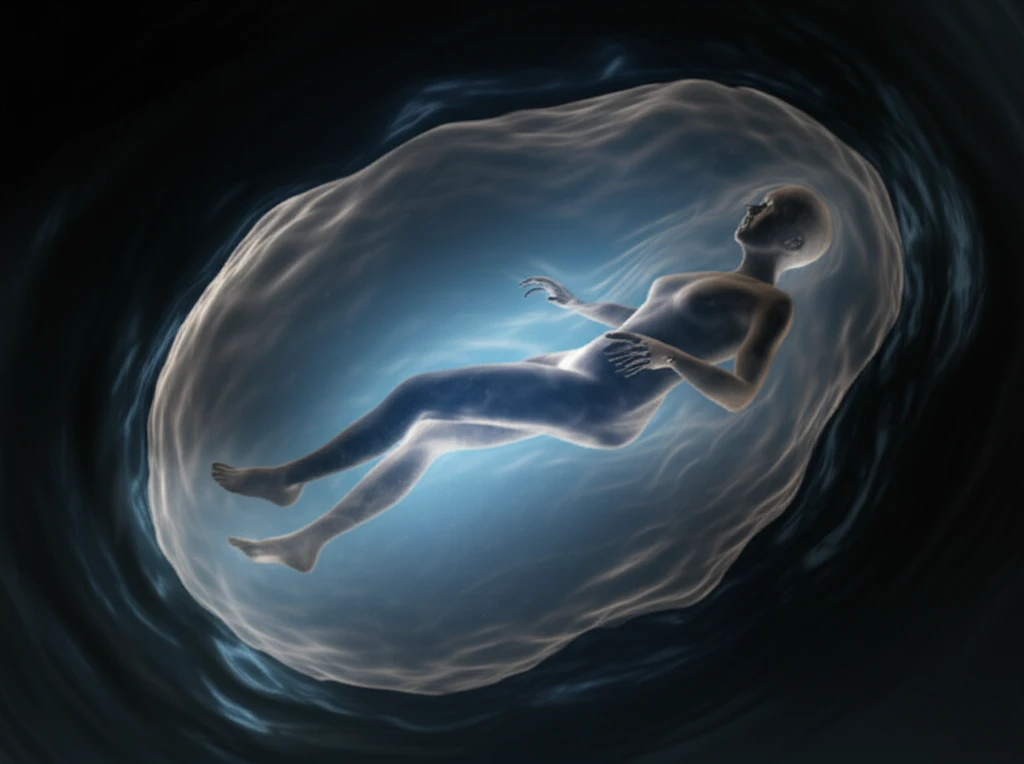
Now, researchers are exploring an innovative approach: 'dry immersion' (DI), a technique that simulates the effects of microgravity on the body. This method, commonly used as an analog for spaceflight, involves immersing a subject in water while wrapped in a waterproof film, mimicking the reduced sensory stimulation experienced in space. The study investigates whether this unique environment can alleviate rigidity and tremor in Parkinson's patients.
Dry Immersion: A New Hope for Motor Symptom Relief?
Dry immersion is recognized as a reliable space flight analog. At DI, a subject is immersed in water being wrapped in a waterproof film to imitate microgravity (μG). Microgravity is known to decrease muscle tone due to deprivation of the sensory stimuli that activate the reflexes that keep up the muscle tone. In contrary, parkinsonian patients are characterized by elevated muscle tone, or rigidity, along with rest tremor and akinesia.
- sEMG recordings were taken bilaterally from the biceps brachii muscle.
- Recordings were repeated under various loading conditions: arms hanging freely, and with 0, 1, and 2 kg loads on each hand while the elbows were flexed at 90 degrees.
- sEMG parameters, including amplitude, median frequency, mutual information decay time, sample entropy, correlation dimension, recurrence rate, and determinism, were analyzed.
The Future of Parkinson's Therapy: A Dive into Dry Immersion?
This study offers a promising glimpse into the potential of dry immersion as a therapeutic intervention for Parkinson's disease. The findings suggest that DI can promptly relieve motor symptoms, particularly rigidity and perhaps tremor, by modulating muscle activity.
While the mechanisms behind these improvements require further investigation, the study highlights the potential of DI to influence muscle tone and motor unit synchronization, offering a unique approach to managing Parkinson's symptoms.
Given these encouraging results, dry immersion holds strong potential as a valuable rehabilitation method for Parkinson's patients. Further research is needed to explore long-term effects, optimize DI protocols, and understand the specific neural mechanisms involved. This could pave the way for new strategies to improve the lives of those living with Parkinson's.