
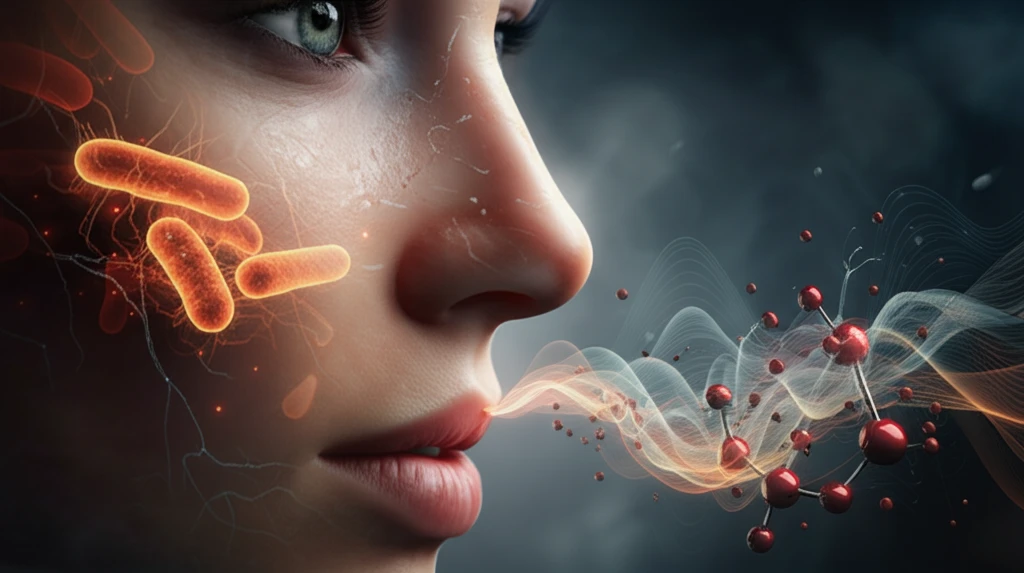
Unlocking Nature's Secrets: Cutting-Edge Science for Everyday Wellness

"From microbiome battles on your skin to the mysteries of smell and the power of red berries, discover how the latest scientific breakthroughs can enhance your health and well-being."
Science is constantly unraveling the complexities of the world around us, revealing secrets that can directly impact our health and daily lives. Recent studies have shed light on a range of topics, from the microscopic battles occurring on our skin to the intricate mechanisms that govern our sense of smell. These advancements not only deepen our understanding of the human body but also offer exciting possibilities for improving our overall well-being.
In this article, we'll delve into some of the most compelling findings published in leading scientific journals. We'll explore how different strains of bacteria on our skin interact, how scientists are decoding the sense of smell, and how the vibrant pigments in red berries can combat inflammation. Get ready to discover how these seemingly disparate areas of research converge to offer valuable insights for a healthier and more balanced life.
Our journey through these scientific discoveries will be presented in an accessible and engaging manner, bridging the gap between complex research and practical applications for everyday life. Whether you're passionate about skincare, curious about the science of scent, or seeking natural ways to manage inflammation, you'll find valuable information here to empower you to make informed choices about your health.
Microbiome: The Battle for Skin Health
Our skin is a bustling ecosystem, home to a diverse community of bacteria, fungi, and viruses. While some bacteria, like Staphylococcus aureus, can exacerbate skin conditions like atopic dermatitis (eczema), others play a crucial role in maintaining skin health. Recent research has uncovered the potential of beneficial bacteria to fight off harmful invaders and restore balance to the skin's microbiome.
- Commensal bacteria transplants: Researchers have successfully used commensal skin transplants to reduce S. aureus skin burden in patients with atopic dermatitis.
- Clinical Trials: Commensal skin transplants have already been approved by the U.S. Food and Drug Administration, and clinical trials are underway.
- Pigskin and Mouse Studies: Pigskin and mouse studies have confirmed that the antimicrobial peptides produced by commensal bacteria can inhibit S. aureus growth.
The Power of Knowledge
As science continues to push the boundaries of our understanding, it's essential to stay informed and embrace the potential of these discoveries to enhance our lives. By exploring the latest research and translating it into practical applications, we can empower ourselves to make informed choices about our health, well-being, and the world around us.