
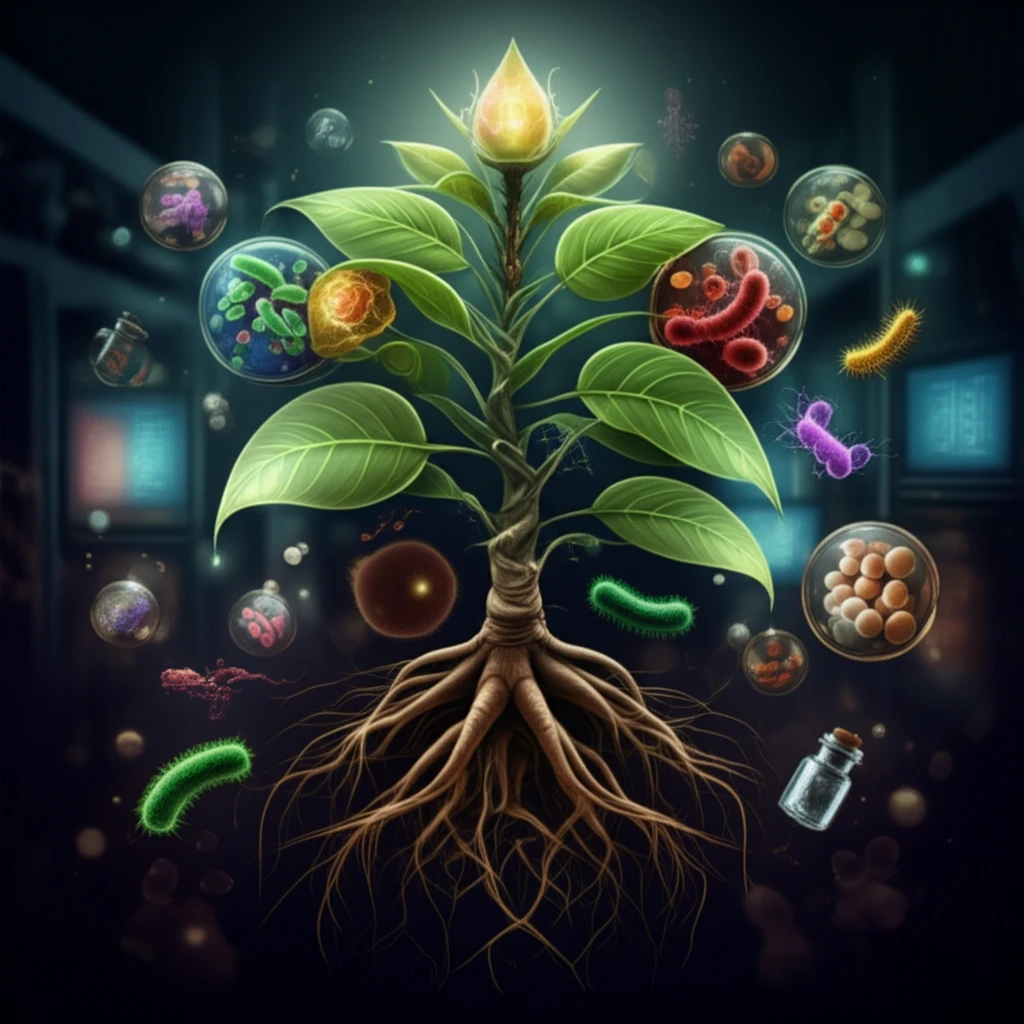
Digital illustration depicting a plant with glowing leaves and roots intertwined with microscopic images of bacteria and viruses. The scene represents the potential of plant extracts in medicine.

Unlocking Nature's Pharmacy: How Plant Extracts Fight Infections and Could Revolutionize Medicine

"From Ancient Remedies to Modern Science: Exploring the Potential of Plant Extracts in Combating Bacterial Threats and Developing New Medicines"


For centuries, humans have turned to nature's bounty for healing. Plants, in particular, have been a source of countless remedies, offering solutions for various ailments. Today, with the rise of antibiotic resistance and the urgent need for new treatments, scientists are revisiting the wisdom of the past, delving into the potential of plant extracts to combat infections and develop groundbreaking medicines.

This article dives into the fascinating research that explores the antibacterial, antibiofilm, and quorum sensing inhibition activities of various plant extracts. We'll journey through the science, examining how these natural compounds work and what promise they hold for the future of healthcare. From ancient traditions to cutting-edge research, we will discover how the world is beginning to harness the power of nature to develop new medical solutions.

Join us as we explore the exciting world of plant-based medicine, its potential to revolutionize healthcare, and its implications for a healthier tomorrow. We'll look at specific examples, scientific breakthroughs, and the challenges and opportunities that lie ahead.

The Power of Plants: How Extracts Fight Infections

Digital illustration depicting a plant with glowing leaves and roots intertwined with microscopic images of bacteria and viruses. The scene represents the potential of plant extracts in medicine.

The quest for new medicines is crucial in today's world, particularly in the face of rising antibiotic resistance. Researchers are increasingly turning to the plant kingdom in search of novel compounds. Plants, with their complex chemical compositions, have evolved numerous defense mechanisms against bacteria, fungi, and other threats. These compounds are showing the potential to become the next generation of drugs.

One example is the exploration of the Clitoria ternatea (Butterfly Pea) flower. Extracts from this flower have been shown to have antibacterial properties, inhibiting the growth of bacteria like Streptococcus mutans, which causes dental caries. Furthermore, they can disrupt the formation of biofilms, which are protective communities of bacteria that make infections difficult to treat.

  • Antibacterial Activity: Some plant extracts effectively inhibit the growth of harmful bacteria.
  • Anti-Biofilm Action: Extracts can prevent the formation of biofilms, which are protective layers that bacteria create.
  • Quorum Sensing Inhibition: Certain extracts interfere with quorum sensing, a communication system used by bacteria to coordinate their behavior.
  • Antifungal and Antiviral Properties: Plant extracts may offer solutions in fighting viruses and fungi.
  • Antimicrobial Resistance: Extracts are valuable because they can combat antimicrobial resistance.
The study of Aerva sanguinolenta extracts reveals another fascinating area of research. These extracts have shown anti-leishmanial activity, which is important in treating leishmaniasis. By studying the effects of these extracts on parasites, scientists can identify the mechanisms by which they work. This research helps in the development of effective treatments for neglected tropical diseases, offering hope to those affected by these debilitating conditions.

The Future of Plant-Based Medicine

The research into plant extracts is just beginning. As scientists delve deeper into the chemical complexities of plants, we can anticipate even more innovative discoveries. These studies offer exciting prospects for new medicines, treatments for drug-resistant infections, and the development of therapies for neglected diseases. Plant extracts are likely to play a key role in shaping the future of medicine and improving global health. Further research in this area promises to unlock more of nature's pharmacy, bringing us closer to a world where medicine and nature work hand-in-hand for a healthier tomorrow.

About this Article -

This article was crafted using a human-AI hybrid and collaborative approach. AI assisted our team with initial drafting, research insights, identifying key questions, and image generation. Our human editors guided topic selection, defined the angle, structured the content, ensured factual accuracy and relevance, refined the tone, and conducted thorough editing to deliver helpful, high-quality information.See our About page for more information.

Everything You Need To Know

1

Why is there a renewed interest in using plant extracts for medical treatments?

There's a significant resurgence of interest in plant extracts due to the growing crisis of antibiotic resistance and the urgent necessity for novel therapeutic solutions. As conventional antibiotics become less effective, scientists are revisiting the traditional use of plants, exploring their complex chemical compositions to identify new antibacterial, antiviral, and antifungal compounds. This approach offers potential treatments for infections that are increasingly difficult to manage with existing drugs, marking a crucial step in combating antimicrobial resistance.

2

What are some specific ways plant extracts can combat infections?

Plant extracts employ several mechanisms to combat infections. They can directly inhibit the growth of harmful bacteria through antibacterial activity. Certain extracts prevent the formation of biofilms, which are protective layers bacteria create, making them more vulnerable to treatment. Some extracts also interfere with quorum sensing, a communication system bacteria use to coordinate their behavior, disrupting their ability to act collectively. Additionally, research indicates plant extracts may possess antifungal and antiviral properties, expanding their potential applications in treating various types of infections.

3

Can you provide a specific example of a plant extract being studied for its medicinal properties?

One notable example is the Clitoria ternatea, commonly known as the Butterfly Pea flower. Extracts from this flower have demonstrated antibacterial properties, effectively inhibiting the growth of bacteria such as Streptococcus mutans, a key contributor to dental caries. Furthermore, these extracts can disrupt the formation of biofilms, which are protective communities of bacteria that are notoriously difficult to eradicate. This makes Clitoria ternatea a promising candidate for developing new treatments for oral infections and potentially other biofilm-related conditions.

4

Besides antibacterial effects, what other medicinal properties are being explored in plant extracts?

Beyond antibacterial properties, researchers are investigating a range of medicinal benefits from plant extracts. A significant area of focus is anti-leishmanial activity, exemplified by studies on Aerva sanguinolenta extracts. These extracts show promise in treating leishmaniasis, a neglected tropical disease. The exploration extends to antifungal and antiviral properties, as well as the ability to combat antimicrobial resistance, making plant extracts a versatile resource in developing new therapies for various health challenges.

5

What are the potential implications of further research into plant-based medicine for global health?

Further research into plant-based medicine holds transformative potential for global health. As scientists delve deeper into the chemical complexities of plants, there's anticipation of discovering innovative medicines, treatments for drug-resistant infections, and therapies for neglected diseases. These advancements could revolutionize how we approach healthcare, particularly in regions with limited access to conventional treatments. Plant extracts could play a pivotal role in shaping the future of medicine, offering sustainable, nature-derived solutions to improve health outcomes worldwide. However, more research is needed to confirm efficiency and ensure plant-based medicine is a suitable solution.

Newsletter Subscribe

Subscribe to get the latest articles and insights directly in your inbox.