
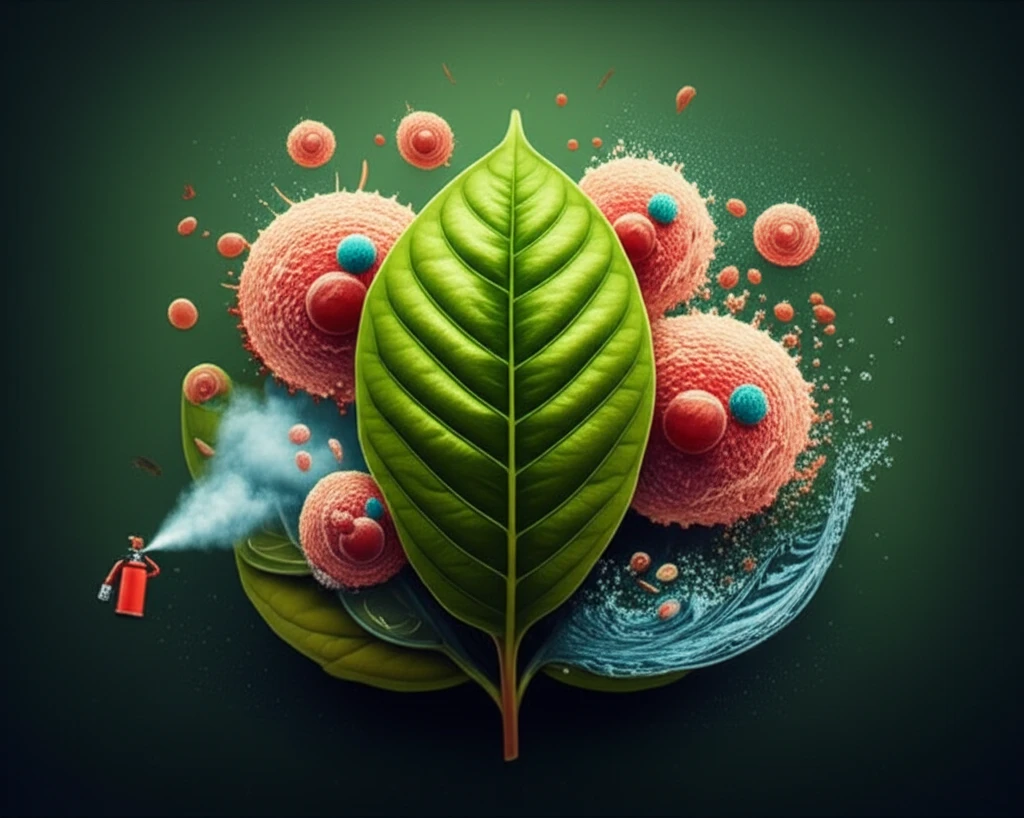
Illustration depicting the healing potential of Croton gratissimus leaf extracts against cancer and inflammation.

Unlocking Nature's Arsenal: How Plant Extracts are Fighting Cancer and Inflammation

"Discover the groundbreaking research revealing the potential of plant extracts, like those from Croton gratissimus leaves, in combating cancer and reducing inflammation naturally."


In a world grappling with the escalating threats of cancer and chronic inflammation, the pursuit of natural remedies has never been more crucial. Traditional medicine has long recognized the healing properties of plants, and now, scientific research is validating these ancient practices. Recent studies are shining a light on the potential of plant extracts to combat these pervasive health issues, offering hope for new treatments and preventative measures.

This article delves into the innovative research exploring the anticancer and anti-inflammatory properties of various plant extracts. We'll examine the findings of a groundbreaking study on Croton gratissimus leaf extracts, unveiling their remarkable ability to inhibit cancer cell growth and reduce inflammation. This exploration is more than just a scientific review; it's a journey into the potential of nature to heal.

Join us as we uncover the science behind these plant extracts, their impact on health, and what this means for the future of medicine. We'll break down complex research into easy-to-understand insights, empowering you with knowledge about natural ways to support your health and well-being.

The Power of Plants: An Overview of Cancer and Inflammation

Illustration depicting the healing potential of Croton gratissimus leaf extracts against cancer and inflammation.

Before we dive into the specifics of plant extracts, it's important to understand the diseases they're combating: cancer and inflammation. Cancer is a complex disease characterized by uncontrolled cell growth, while chronic inflammation is a persistent immune response that can contribute to numerous health problems, including cancer. Both conditions pose significant challenges to modern medicine.

The interplay between inflammation and cancer is particularly noteworthy. Chronic inflammation can create an environment conducive to cancer development and progression. This understanding has fueled the search for agents that can simultaneously tackle both issues, and plant extracts have emerged as promising candidates.

  • Cancer: Characterized by uncontrolled cell growth and the potential to spread throughout the body.
  • Chronic Inflammation: A persistent immune response that can damage tissues and contribute to various diseases.
  • Link: Chronic inflammation can increase the risk of cancer development and progression.
The research on Croton gratissimus and similar plants offers a glimmer of hope. These natural compounds are being studied for their potential to target cancer cells while also reducing inflammation, providing a dual benefit that could transform treatment approaches.

The Future of Natural Medicine

The findings regarding Croton gratissimus extracts are a testament to the power of nature and the importance of continued research in natural medicine. As we delve deeper into the properties of plant extracts, we open up new avenues for treating diseases like cancer and inflammation, promoting overall health and well-being. These discoveries highlight the vital role that natural compounds could play in the future of healthcare.

About this Article -

This article was crafted using a human-AI hybrid and collaborative approach. AI assisted our team with initial drafting, research insights, identifying key questions, and image generation. Our human editors guided topic selection, defined the angle, structured the content, ensured factual accuracy and relevance, refined the tone, and conducted thorough editing to deliver helpful, high-quality information.See our About page for more information.

This article is based on research published under:

DOI-LINK: 10.1186/s12906-018-2372-9, Alternate LINK

Title: Croton Gratissimus Leaf Extracts Inhibit Cancer Cell Growth By Inducing Caspase 3/7 Activation With Additional Anti-Inflammatory And Antioxidant Activities

Subject: Complementary and alternative medicine

Journal: BMC Complementary and Alternative Medicine

Publisher: Springer Science and Business Media LLC

Authors: Emmanuel Mfotie Njoya, Jacobus N. Eloff, Lyndy J. Mcgaw

Published: 2018-11-14

Everything You Need To Know

1

What is the significance of studying plant extracts like those from Croton gratissimus in the context of cancer and inflammation?

Studying plant extracts such as those from Croton gratissimus is significant because they represent a promising avenue for discovering natural compounds that can combat cancer and reduce inflammation. Traditional medicine has long recognized the healing properties of plants and scientific research is validating these ancient practices. These extracts offer the potential for new treatments and preventative measures, addressing the escalating threats of cancer and chronic inflammation, potentially transforming treatment approaches by offering a dual benefit.

2

How does chronic inflammation contribute to the development and progression of cancer, and why is this connection important in the search for new treatments?

Chronic inflammation creates an environment conducive to cancer development and progression. This interplay between inflammation and cancer fuels the search for agents that can simultaneously tackle both issues. Plant extracts, including those from Croton gratissimus, have emerged as promising candidates due to their potential to target cancer cells while also reducing inflammation. This dual action is crucial because addressing the inflammatory component may prevent the disease from advancing, which is why this connection is important in the search for new treatments.

3

What are the primary characteristics of cancer and chronic inflammation, and why are they considered significant challenges to modern medicine?

Cancer is characterized by uncontrolled cell growth and the potential to spread throughout the body, while chronic inflammation is a persistent immune response that can damage tissues and contribute to various diseases. Both conditions pose significant challenges to modern medicine because of their complexity, the difficulty in effectively targeting them without causing harm to healthy cells, and their increasing prevalence in the global population. Therefore, understanding and combating cancer and chronic inflammation is of utmost importance for improving public health and reducing the burden on healthcare systems.

4

In what ways could the research on Croton gratissimus leaf extracts impact the future of natural medicine and healthcare?

The research on Croton gratissimus extracts highlights the potential of nature in treating diseases like cancer and inflammation. It suggests that natural compounds could play a vital role in the future of healthcare by opening up new avenues for treatment. Further research in this area could lead to the development of novel therapies, emphasizing the importance of exploring natural resources for medicinal purposes. The findings also underscore the significance of integrating traditional knowledge with modern science to promote overall health and well-being.

5

What specific properties of Croton gratissimus extracts make them a promising area of study for both cancer and inflammation?

Croton gratissimus extracts exhibit a remarkable ability to inhibit cancer cell growth and reduce inflammation. This dual functionality is particularly promising because chronic inflammation can create an environment that promotes cancer development and progression. The extracts' potential to target both the inflammation and the uncontrolled cell growth makes them a compelling area of study for researchers seeking more effective and holistic approaches to treating these complex health issues. Further investigation into the specific mechanisms of action could lead to the development of targeted therapies with fewer side effects compared to conventional treatments.

Newsletter Subscribe

Subscribe to get the latest articles and insights directly in your inbox.