
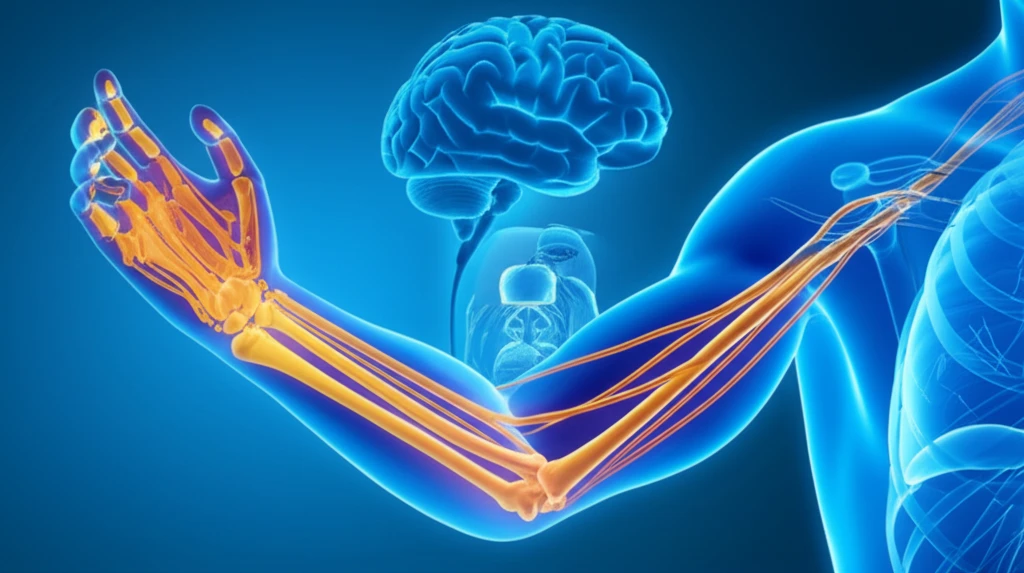
Illustration of upper limb spasticity with the brain and nerves

Unlocking Movement: A Comprehensive Guide to Understanding and Managing Upper Limb Spasticity

"Explore the latest research and real-world insights on treatments, outcomes, and the impact of upper limb spasticity on daily life."


Upper limb spasticity (ULS) is a challenging neurological condition that affects millions worldwide. It is characterized by involuntary muscle contractions, stiffness, and limited range of motion, significantly impacting daily activities and overall quality of life. This article provides an in-depth exploration of ULS, its causes, various treatment approaches, and the latest advancements in research and clinical practice.

Drawing upon recent studies and real-world data, we aim to provide a comprehensive understanding of ULS, including the latest findings from the Upper Limb International Spasticity (ULIS) program and the Adult Spasticity International Registry (ASPIRE) study. Our goal is to offer valuable insights for patients, caregivers, and healthcare professionals, with a focus on evidence-based information and practical applications.

This guide is designed to empower you with knowledge, enabling informed decisions about managing ULS and improving your well-being. We will examine the impact of treatments like onabotulinumtoxinA, explore the significance of pain management, and discuss the importance of individualized care plans.

Understanding Upper Limb Spasticity: Causes, Symptoms, and Impact

Illustration of upper limb spasticity with the brain and nerves

Upper limb spasticity often arises from neurological conditions such as stroke, traumatic brain injury (TBI), cerebral palsy, and multiple sclerosis. These conditions can damage the areas of the brain and spinal cord responsible for controlling muscle movement. The damage disrupts the normal communication between the brain and muscles, leading to increased muscle tone, stiffness, and involuntary spasms.

The symptoms of ULS can vary from mild stiffness to severe muscle contractions that limit movement and cause pain. Common symptoms include:

  • Increased muscle tone and stiffness in the arms, hands, and fingers
  • Difficulty with everyday activities like reaching, grasping, and writing
  • Involuntary muscle spasms and contractions
  • Pain and discomfort
  • Limited range of motion
  • Fatigue
The impact of ULS extends beyond physical limitations, often affecting emotional well-being and social participation. Individuals with ULS may experience challenges with employment, social interactions, and overall quality of life. The condition can also lead to secondary complications such as contractures, skin breakdown, and joint deformities, further emphasizing the need for effective management strategies.

Empowering Patients and Advancing Care

Upper limb spasticity is a complex condition requiring a multifaceted approach to management. By understanding the causes, symptoms, and available treatments, patients, caregivers, and healthcare professionals can work together to improve outcomes and enhance the quality of life. Continued research and advancements in treatment strategies offer hope for better management and improved function for individuals with ULS. The information provided in this article aims to support and empower those affected by upper limb spasticity, fostering a path towards improved mobility, reduced pain, and a more fulfilling life.

About this Article -

This article was crafted using a human-AI hybrid and collaborative approach. AI assisted our team with initial drafting, research insights, identifying key questions, and image generation. Our human editors guided topic selection, defined the angle, structured the content, ensured factual accuracy and relevance, refined the tone, and conducted thorough editing to deliver helpful, high-quality information.See our About page for more information.

Everything You Need To Know

1

What are the primary causes of upper limb spasticity (ULS)?

Upper limb spasticity (ULS) typically arises from neurological conditions that damage the brain or spinal cord, disrupting normal muscle control. Common causes include stroke, traumatic brain injury (TBI), cerebral palsy, and multiple sclerosis. These conditions interfere with the communication between the brain and muscles, leading to increased muscle tone, stiffness, and involuntary spasms. Other potential causes, while less discussed here, could involve spinal cord injuries or neurodegenerative diseases affecting motor pathways.

2

What are the typical symptoms someone might experience with upper limb spasticity?

Symptoms of upper limb spasticity (ULS) vary, ranging from mild stiffness to severe muscle contractions. Common symptoms include increased muscle tone and stiffness in the arms, hands, and fingers, difficulty with activities like reaching and writing, involuntary muscle spasms, pain, limited range of motion, and fatigue. These symptoms can significantly impact daily living, with secondary complications like contractures and joint deformities further complicating management.

3

How does the Upper Limb International Spasticity (ULIS) program contribute to our understanding and management of upper limb spasticity (ULS)?

The Upper Limb International Spasticity (ULIS) program, alongside initiatives like the Adult Spasticity International Registry (ASPIRE) study, advances the understanding of upper limb spasticity (ULS) through research and data collection. These programs provide insights into the effectiveness of various treatments, patient outcomes, and the overall impact of ULS on daily life. The real-world data helps refine treatment strategies and improve the quality of care for individuals with ULS. Although not explicitly detailed, ULIS likely involves collaborative efforts among researchers and clinicians worldwide, standardizing data collection and analysis to enhance the reliability of findings.

4

In managing upper limb spasticity (ULS), what role does onabotulinumtoxinA play, and why is individualized care emphasized?

OnabotulinumtoxinA is a treatment used in managing upper limb spasticity (ULS). Individualized care plans are emphasized because ULS manifests differently in each person, with varying degrees of severity and impact on specific muscle groups. A tailored approach ensures treatments like onabotulinumtoxinA, occupational therapy, or other interventions are aligned with the patient's unique needs and goals. While other treatments like physical therapy and orthotics are not explicitly mentioned, they are common components of an individualized care plan designed to maximize function and minimize complications.

5

Beyond physical limitations, what are the broader implications of upper limb spasticity (ULS) on an individual's life, and what strategies can help improve their overall well-being?

The impact of upper limb spasticity (ULS) extends beyond physical limitations, affecting emotional well-being, social participation, and overall quality of life. Individuals with ULS may face challenges with employment, social interactions, and self-esteem. Strategies to improve well-being include comprehensive pain management, psychological support, occupational therapy to enhance daily function, and participation in support groups. Although not detailed, addressing these broader implications is crucial for a holistic approach to managing ULS and fostering a more fulfilling life. Future research might explore the long-term psychosocial impacts and the effectiveness of various support interventions.

Newsletter Subscribe

Subscribe to get the latest articles and insights directly in your inbox.