
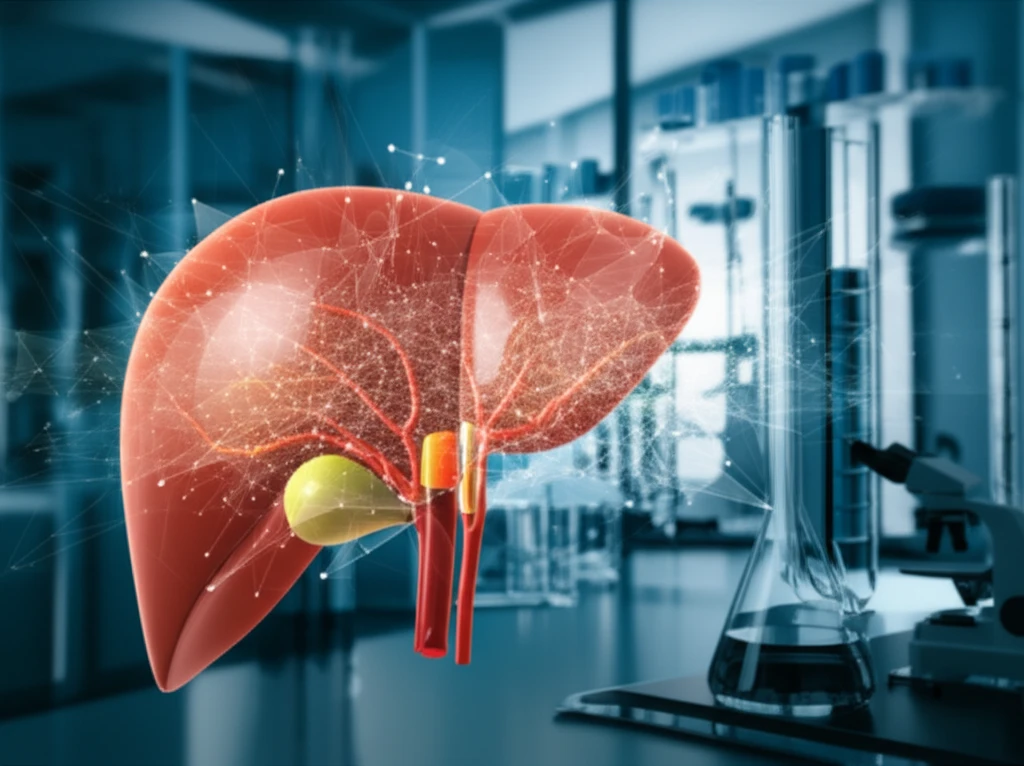
Unlocking Liver Health: How Cutting-Edge Research is Revolutionizing Treatment

"Groundbreaking proteomic analysis offers new hope for those battling liver damage, paving the way for innovative therapies and improved outcomes."
Liver health is paramount, serving as the body's primary detoxifier, and regulator of essential functions. However, liver damage, often resulting from conditions like ischemia/reperfusion injury, poses a significant threat to overall well-being. This type of injury can occur during liver surgery, leading to serious complications and even liver failure. Fortunately, cutting-edge research, particularly in the field of proteomics, is transforming our understanding of liver disease and opening doors to more effective treatments.
Proteomics, the large-scale study of proteins, allows researchers to analyze the complex interplay of proteins within the liver. By identifying the specific proteins involved in liver damage, scientists can gain valuable insights into the underlying mechanisms of disease. This knowledge is crucial for developing targeted therapies that can prevent or reverse liver injury, ultimately improving patient outcomes.
This article explores the groundbreaking findings of recent proteomic research, focusing on the intricate processes of liver ischemia and reperfusion injury. We will examine how scientists are using advanced techniques to pinpoint the proteins that contribute to liver damage, shedding light on potential therapeutic targets and offering a glimpse into the future of liver health.
The Silent Threat: Unveiling the Complexities of Liver Ischemia/Reperfusion Injury
Ischemia/reperfusion (I/R) injury, a common consequence of liver surgery and transplantation, occurs when blood flow to the liver is interrupted (ischemia) and then restored (reperfusion). This process can trigger a cascade of events leading to severe liver dysfunction and failure. During ischemia, the liver cells are deprived of oxygen and essential nutrients. When blood flow is restored, a surge of inflammation and oxidative stress can further damage the liver tissue.
- Ischemia: A period of reduced blood flow, which can cause a lack of oxygen and nutrient supply.
- Reperfusion: The restoration of blood flow after ischemia, which can initiate inflammation and oxidative stress.
- Cellular Damage: Direct harm to liver cells, leading to dysfunction and cell death.
- Inflammation: The immune system response that contributes to further liver damage.
- Oxidative Stress: An imbalance between free radicals and antioxidants, causing cellular damage.
Looking Ahead: The Future of Liver Health
The future of liver health is bright, thanks to the innovative use of proteomic analysis and the dedication of researchers worldwide. By identifying the key proteins involved in liver damage, scientists are paving the way for targeted therapies that can protect and repair the liver. These advancements offer hope for those suffering from liver disease, promising improved treatment outcomes and a better quality of life. The journey to better liver health is ongoing, and with each new discovery, we move closer to a future where liver disease is more manageable and treatable.