
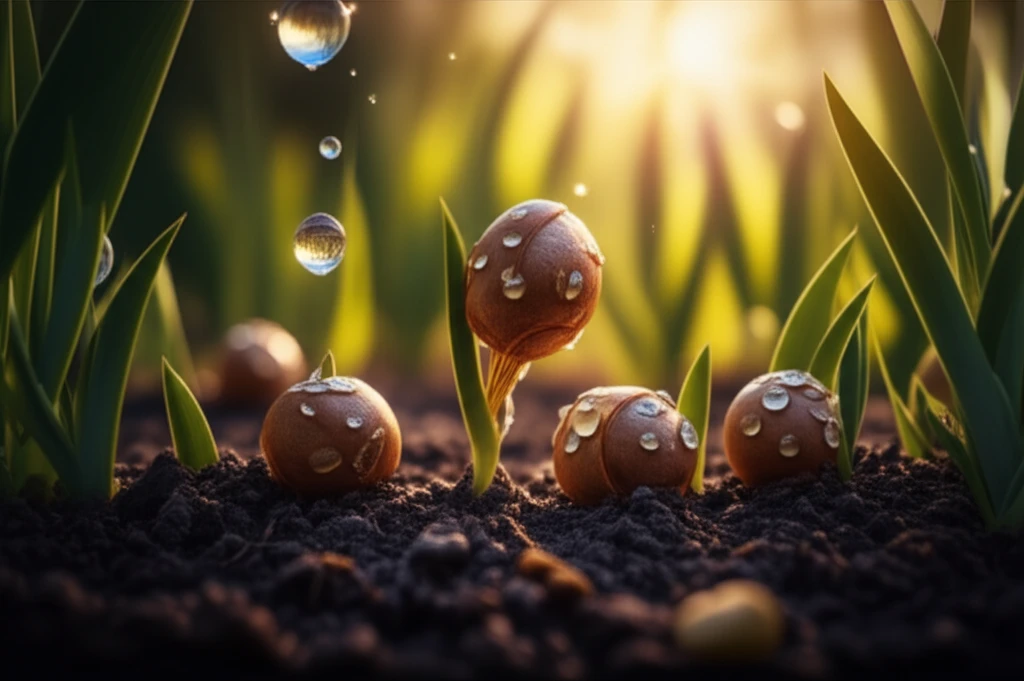
Iris seeds germinating in a stylized garden.

Unlocking Iris Blooms: A Simple Guide to Growing Irises From Seed

"Discover the secrets to cultivating vibrant irises from seed, transforming your garden with these stunning flowers."


Irises, with their distinctive and colorful blooms, are a favorite among gardeners. Traditionally propagated through bulbs or division, these methods can be limiting. However, growing irises from seed offers a rewarding alternative, opening the door to a wider variety of colors and forms in your garden. Iris sanguinea, in particular, is a perennial known for its adaptability and beauty, making it an excellent choice for starting from seed.

The key to successful iris cultivation from seed lies in understanding and overcoming their natural dormancy. Iris seeds possess a physiological dormancy, a survival mechanism that prevents germination under unfavorable conditions. This dormancy must be broken through specific treatments that mimic natural seasonal changes. By learning these techniques, you can unlock the potential of iris seeds and cultivate a vibrant display in your garden.

This guide provides a step-by-step approach to germinating Iris sanguinea seeds, from initial sterilization and scarification to planting and nurturing the young seedlings. Whether you're an experienced gardener or just starting, you'll find the information you need to successfully propagate these stunning flowers and add a touch of elegance to your outdoor space.

Breaking the Dormancy Code: Seed Preparation Techniques

Iris seeds germinating in a stylized garden.

Iris seeds have a tough outer layer and internal inhibitors that prevent immediate germination. Mimicking nature’s cues is essential to trigger growth. Start with sterilization to prevent fungal contamination and promote healthy seedlings. A combination of ethanol and sodium hypochlorite (bleach) solutions can effectively clean the seeds without harming them.

Next, employ scarification and stratification techniques. Scarification involves gently weakening the seed coat to allow water and oxygen to penetrate. Stratification, on the other hand, simulates winter conditions, breaking down germination inhibitors within the seed. These steps are critical for achieving a high germination rate and vigorous seedling development.

  • Sterilization: Soak seeds in 75% ethanol for 30 seconds, followed by a 20-minute soak in a 4% sodium hypochlorite solution. Rinse thoroughly with sterile water.
  • Alkaline Scarification: Soak seeds in a 5% NaOH solution for 2 hours to soften the seed coat. Rinse thoroughly.
  • Hot Water Stratification: Soak seeds in water, starting at 80°C (176°F), overnight as the water cools.
Each method has its advantages. Sterilization removes contaminants, scarification aids water absorption, and hot water stratification simulates natural temperature changes. Combining these methods, or selecting the most appropriate one, will significantly increase your chances of successful germination.

From Seed to Bloom: Nurturing Your Iris Seedlings

With patience and the right techniques, you can successfully cultivate Iris sanguinea from seed. By understanding the importance of dormancy breaking, sterilization, and providing optimal growing conditions, you'll be rewarded with a stunning display of these elegant flowers in your garden. Embrace the process, experiment with different methods, and enjoy the journey from seed to spectacular bloom.

About this Article -

This article was crafted using a human-AI hybrid and collaborative approach. AI assisted our team with initial drafting, research insights, identifying key questions, and image generation. Our human editors guided topic selection, defined the angle, structured the content, ensured factual accuracy and relevance, refined the tone, and conducted thorough editing to deliver helpful, high-quality information.See our About page for more information.

Everything You Need To Know

1

Why is it beneficial to grow Iris sanguinea from seed instead of using bulbs or division?

Growing Iris sanguinea from seed offers several advantages over traditional propagation methods like bulbs or division. Primarily, it allows gardeners to explore a wider array of colors and forms, as seeds can produce variations not seen in established plants. Furthermore, it presents a more cost-effective solution, particularly when aiming to cultivate a large number of plants. Division, while common, can be limiting in terms of the genetic diversity available, whereas seed propagation opens the door to new and exciting possibilities in your garden. Seed propagation also avoids the risk of spreading diseases that can sometimes occur when dividing existing plants.

2

What is physiological dormancy, and why is breaking it crucial for germinating Iris sanguinea seeds?

Physiological dormancy is a survival mechanism in Iris seeds, preventing germination under unfavorable conditions. This dormancy is triggered by the presence of inhibitors and a tough seed coat. To successfully germinate Iris sanguinea seeds, it's essential to break this dormancy. This involves mimicking natural seasonal changes through specific treatments. These treatments include sterilization to eliminate fungal contaminants, scarification to weaken the seed coat for water and oxygen penetration, and stratification to simulate winter conditions and break down germination inhibitors. Without addressing this dormancy, the seeds will not germinate, and your efforts to cultivate these beautiful flowers will be unsuccessful.

3

Can you explain the sterilization process for Iris sanguinea seeds and its importance?

Sterilization is a critical step in preparing Iris sanguinea seeds for germination. The process involves soaking the seeds in a 75% ethanol solution for 30 seconds, followed by a 20-minute soak in a 4% sodium hypochlorite (bleach) solution. It is crucial to rinse the seeds thoroughly with sterile water afterward. The primary importance of sterilization is to eliminate any fungal contaminants that could hinder germination or harm the developing seedlings. By ensuring the seeds are clean, you provide a healthier environment for successful germination and reduce the risk of disease, ultimately increasing your chances of cultivating vibrant, healthy Iris sanguinea plants.

4

What are the different scarification techniques mentioned and how do they contribute to Iris sanguinea seed germination?

The article describes a scarification technique using a 5% NaOH (sodium hydroxide) solution. Soaking the seeds in this solution for 2 hours softens the seed coat. The main function of scarification, whether using alkaline solutions or other methods, is to weaken the seed coat. This allows water and oxygen to penetrate the seed more easily. This is essential because the hard outer layer of the seed can prevent the absorption of water and oxygen, which are vital for germination. By aiding in the absorption of water and oxygen, scarification significantly increases the chances of successful germination of Iris sanguinea seeds, which ultimately leads to vigorous seedling development.

5

How does hot water stratification work for Iris sanguinea seeds, and why is it beneficial?

Hot water stratification involves soaking Iris sanguinea seeds in water, starting at 80°C (176°F), and allowing it to cool overnight. This method simulates the natural temperature changes seeds experience during the winter. Stratification plays a critical role in breaking down germination inhibitors within the seed and preparing it for germination in the spring. The heat and subsequent cooling help to weaken the seed coat and trigger the internal processes required for the seed to sprout. By mimicking natural seasonal changes, hot water stratification significantly improves the chances of successful germination and vigorous development of Iris sanguinea seedlings.

Newsletter Subscribe

Subscribe to get the latest articles and insights directly in your inbox.