
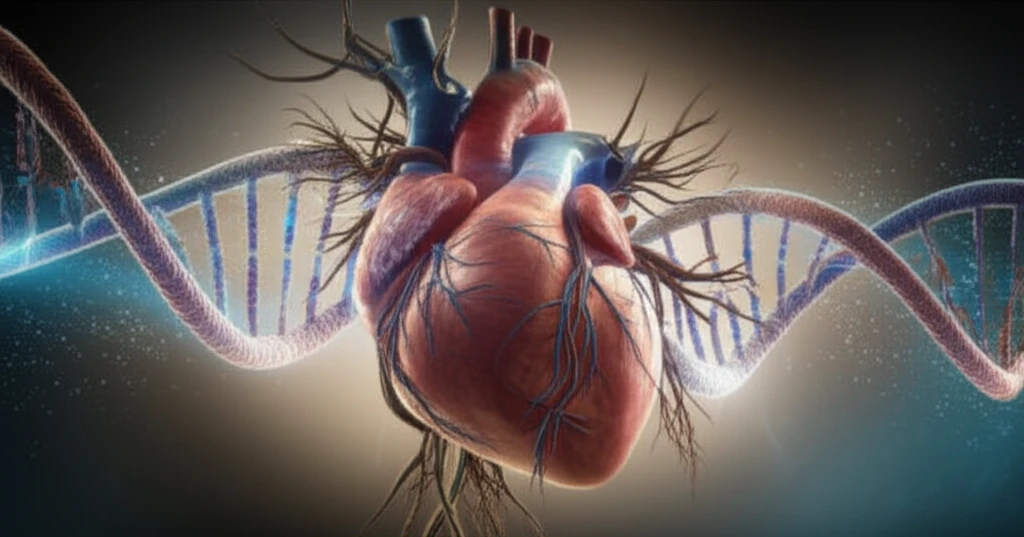
Heart intertwined with plant roots and DNA strands

Unlocking Heart Health: New Insights into Cholesterol, Genetics, and Diet

"Explore the latest research on cholesterol absorption, genetic factors in hypertension and atherosclerosis, and how advanced lipoprotein testing can revolutionize your heart health strategy."


Cardiovascular disease (CVD) remains a leading cause of mortality worldwide, prompting ongoing research into its underlying mechanisms and risk factors. Recent studies have shed new light on various aspects of heart health, from the intricate processes of cholesterol absorption to the genetic components influencing hypertension and atherosclerosis. Understanding these advancements is crucial for developing effective prevention and treatment strategies.

This article explores key findings from recent research, providing insights into the role of phytosterols in cholesterol management, the development of novel genetic models for studying hypertension and atherosclerosis, and the importance of advanced lipoprotein testing in assessing cardiovascular risk. By translating complex scientific data into accessible information, we aim to empower individuals with the knowledge needed to make informed decisions about their heart health.

Whether you're someone looking to optimize your well-being, or a healthcare professional seeking the latest information, this article provides a comprehensive overview of cutting-edge research in cardiovascular health. Let's delve into the details and discover how these advancements can pave the way for a healthier future.

The Power of Plants: How Phytosterols Impact Cholesterol Absorption

Heart intertwined with plant roots and DNA strands

Phytosterols, naturally occurring compounds found in plants, have long been recognized for their cholesterol-lowering properties. These compounds work by reducing the absorption of cholesterol in the intestines, helping to lower overall cholesterol levels. A study published in Atherosclerosis investigated how phytosterols interact with liver X receptors (LXRs), which play a key role in regulating cholesterol metabolism.

The research team, led by Lídia Cedó from the Institut d'Investigacions Biomèdiques (IIB) Sant Pau in Barcelona, Spain, sought to determine if the cholesterol-lowering effects of phytosterols are dependent on LXRs. To investigate this, they conducted experiments using both wild-type mice and mice deficient in LXRαβ. The mice were fed a Western-type diet with or without phytosterol supplementation. The team also looked at administering LXRαβ agonists. They then assessed intestinal cholesterol absorption and fecal sterol excretion.

The study's key findings include:
  • Consistent Cholesterol Reduction: Phytosterol supplementation reduced intestinal cholesterol absorption by approximately 40% in both wild-type and LXRαβ-deficient mice.
  • Reduced Liver Cholesterol: The treatment reduced cholesterol accumulation in the liver.
  • Increased Fecal Excretion: Phytosterols promoted the excretion of cholesterol-derived compounds in feces.
  • Additive Effects: Phytosterols and LXRαβ agonists had combined inhibitory effects on cholesterol absorption.
These results demonstrate that phytosterols lower cholesterol independently of LXR, underscoring the importance of phytosterols as a dietary strategy for managing cholesterol levels. This is particularly relevant for individuals looking for natural ways to support their heart health. By incorporating phytosterol-rich foods or supplements, one can effectively reduce cholesterol absorption and promote healthy cholesterol metabolism.

Looking Ahead: Translating Research into Actionable Strategies

The insights gained from these studies offer promising avenues for improving cardiovascular health. By understanding the genetic factors influencing hypertension and atherosclerosis, leveraging the cholesterol-lowering effects of phytosterols, and utilizing advanced lipoprotein testing for personalized risk assessment, individuals and healthcare providers can work together to implement targeted prevention and treatment strategies. As research continues to evolve, staying informed about the latest advancements will be essential for promoting lifelong heart health.

About this Article -

This article was crafted using a human-AI hybrid and collaborative approach. AI assisted our team with initial drafting, research insights, identifying key questions, and image generation. Our human editors guided topic selection, defined the angle, structured the content, ensured factual accuracy and relevance, refined the tone, and conducted thorough editing to deliver helpful, high-quality information.See our About page for more information.

Everything You Need To Know

1

How do phytosterols help with heart health, and what are they exactly?

Phytosterols are natural compounds found in plants. They help lower cholesterol levels by reducing the amount of cholesterol absorbed in the intestines. This is significant because it offers a natural way to manage cholesterol, which is crucial for maintaining heart health. By reducing cholesterol absorption and promoting cholesterol metabolism, phytosterols can help prevent the accumulation of cholesterol in the arteries, lowering the risk of cardiovascular diseases. While the article mentions phytosterols' impact on cholesterol absorption, it doesn't delve into specific food sources rich in phytosterols or potential side effects of high phytosterol intake, which are important considerations for those looking to incorporate them into their diet.

2

What role do genetics play in conditions like hypertension and atherosclerosis?

Hypertension and atherosclerosis are conditions with genetic links that contribute to cardiovascular disease. Hypertension, or high blood pressure, can damage blood vessels and increase the risk of heart attack and stroke. Atherosclerosis involves the buildup of plaque in the arteries, which can restrict blood flow. Understanding the genetic factors influencing these conditions allows for better risk assessment and the development of targeted treatments. The article highlights the importance of genetic models in studying these conditions but does not explore specific genes involved or the extent to which genetic predispositions can be modified by lifestyle factors.

3

What is advanced lipoprotein testing, and why is it considered more informative than standard cholesterol tests?

Advanced lipoprotein testing involves a detailed analysis of the different types of lipoproteins in the blood, such as HDL, LDL, and VLDL. This testing is important because it provides a more accurate assessment of cardiovascular risk compared to standard cholesterol tests. It can identify specific lipoprotein abnormalities that may increase the risk of heart disease, even if overall cholesterol levels appear normal. While the article emphasizes the value of this testing, it could expand on the specific parameters measured in advanced lipoprotein profiles and how these parameters correlate with cardiovascular outcomes. Also, the cost and accessibility of advanced lipoprotein testing compared to standard tests are relevant considerations.

4

What does cholesterol absorption mean, and why is it important for managing cholesterol levels?

Cholesterol absorption refers to the process by which cholesterol from the diet and bile is taken up by the intestines and enters the bloodstream. Reducing cholesterol absorption can help lower overall cholesterol levels in the body. The article mentions that phytosterols reduce intestinal cholesterol absorption. The efficiency of cholesterol absorption varies among individuals and can be influenced by factors such as genetics and diet. The article does not delve into the mechanisms that control cholesterol absorption at the cellular level or how different dietary fats might influence this process.

5

What are liver X receptors (LXRs), and how do they relate to cholesterol management?

Liver X receptors (LXRs) are proteins that play a key role in regulating cholesterol metabolism in the body. LXRs are activated by oxysterols, which are oxidized forms of cholesterol, and when activated, LXRs influence the expression of genes involved in cholesterol transport, synthesis, and excretion. The study mentioned in the article investigates the interaction between phytosterols and LXRs in cholesterol management. While the article notes that phytosterols lower cholesterol independently of LXRs, it does not discuss the broader role of LXRs in other metabolic processes, such as inflammation and glucose metabolism, which are also relevant to cardiovascular health.

Newsletter Subscribe

Subscribe to get the latest articles and insights directly in your inbox.