
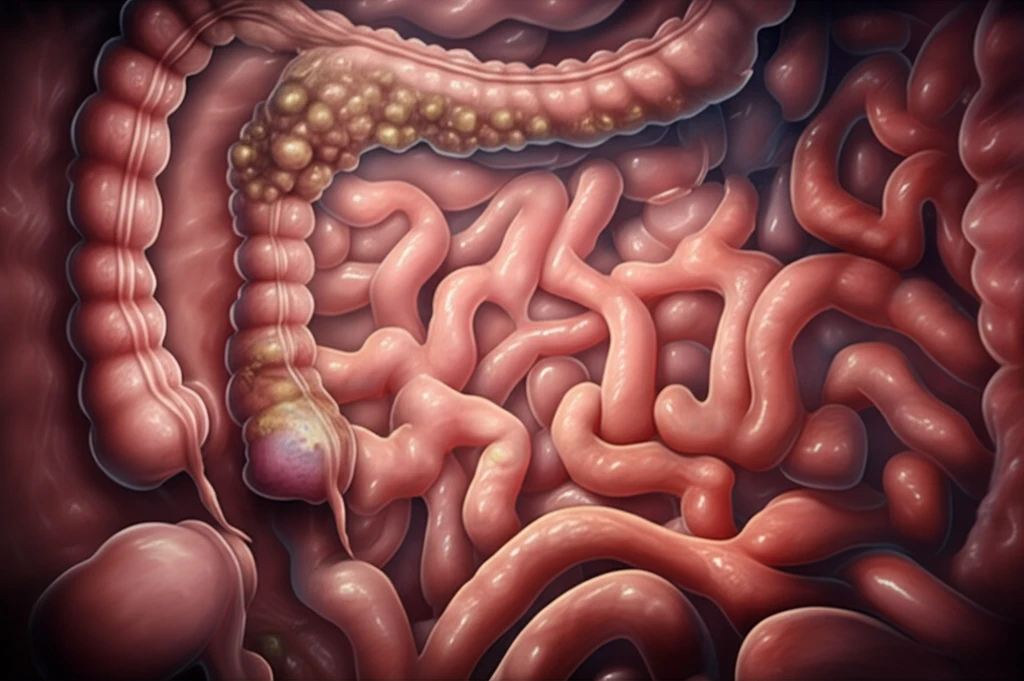
Unlocking Gut Health: How Mesenteric Ischemia Research Could Revolutionize Treatment

"New insights into ischemia-reperfusion injury offer hope for improved interventions and therapies targeting intestinal health."
The human body is a marvel of interconnected systems, and the gut plays a surprisingly central role in overall health. When blood flow to the intestines is disrupted, a condition known as mesenteric ischemia occurs. This can lead to a cascade of harmful events, particularly when blood flow is restored, a process called ischemia-reperfusion (I/R) injury. Understanding this process is crucial for developing effective treatments.
Ischemia-reperfusion injury happens when the body tries to heal itself after a period of oxygen deprivation. While restoring blood flow is essential, it can paradoxically cause further damage. This is because the initial ischemia sets off a chain reaction, activating enzymes that generate harmful molecules called oxirradicals during reperfusion. These molecules can damage cells and tissues, leading to intestinal problems and potentially systemic complications.
Traditional research models often focus on specific regions of the body, clamping off blood vessels to individual organs. However, a more comprehensive approach involves studying I/R injury in the context of the entire system. Aortic clamping, which simulates major surgical procedures affecting blood flow, provides such a model. This article delves into a study that uses aortic clamping in rats to better understand the dynamics of mesenteric ischemia and its implications for human health.
What is Mesenteric Ischemia and Why Should You Care?
Mesenteric ischemia occurs when there isn't enough blood flow to the small intestine. This can happen due to various reasons, such as blood clots, narrowed arteries, or low blood pressure. The consequences can be severe, ranging from abdominal pain and vomiting to intestinal damage and even death. The reperfusion stage is equally critical. While restoring blood flow is necessary, it can unleash a torrent of damaging processes.
- Improved Surgical Outcomes: Understanding I/R injury can lead to better surgical techniques and post-operative care.
- Targeted Therapies: Identifying the specific enzymes and molecules involved in I/R injury can pave the way for targeted drug development.
- Preventative Strategies: Insights into the causes and progression of mesenteric ischemia can help develop preventative measures for at-risk individuals.
The Future of Gut Health: Preventing the Damage of Reperfusion
This research highlights the delicate balance involved in restoring blood flow after an ischemic event. By creating a reliable model of mesenteric ischemia, scientists are better equipped to explore potential interventions that can minimize the harmful effects of reperfusion. This could translate to improved treatments for a range of conditions, ultimately leading to better gut health and overall well-being.