
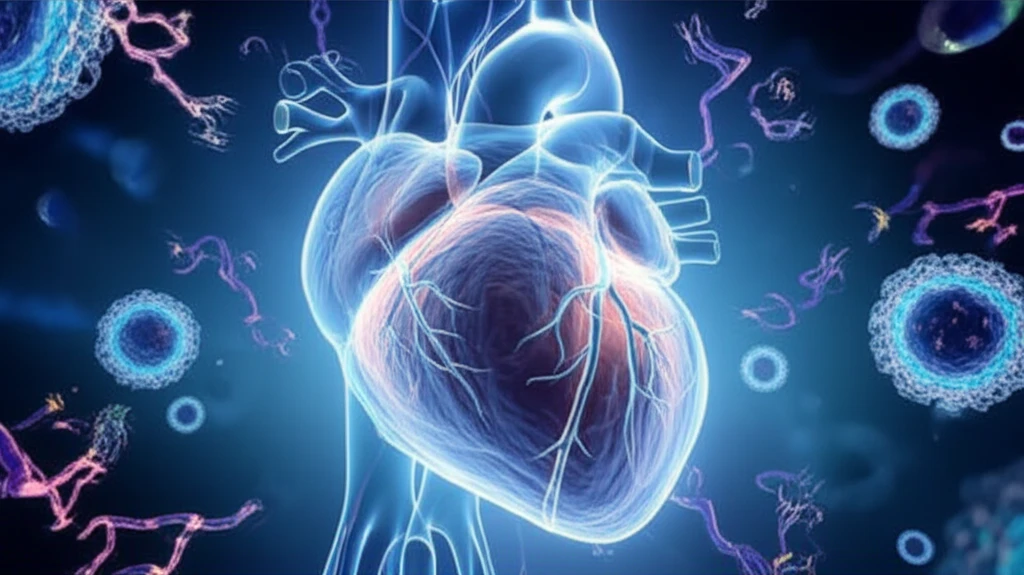
Stylized heart interwoven with immune cells, symbolizing the connection between the immune system and cardiovascular health.

Unlocking Cardiovascular Mysteries: How Immune Insights are Changing Patient Care

"New research unveils the critical role of complement activation and inflammation in cardiovascular events, paving the way for targeted treatments and improved patient outcomes."


Cardiovascular disease (CVD) remains a leading cause of morbidity and mortality worldwide, prompting ongoing research into its underlying mechanisms. While traditional risk factors such as hypertension, hyperlipidemia, and smoking are well-established, emerging evidence highlights the crucial role of the immune system and inflammatory processes in the development and progression of CVD.

Recent studies have focused on the complement system, a critical component of the innate immune system, and its involvement in cardiovascular events. The complement system is a cascade of proteins that, when activated, can trigger inflammation, cell damage, and thrombosis – all key processes in the pathogenesis of CVD. Researchers are exploring how complement activation contributes to conditions such as myocardial infarction (heart attack), stroke, and atherosclerosis (plaque buildup in arteries).

This article delves into the latest findings on the interplay between complement activation, inflammation, and cardiovascular events, providing insights into potential therapeutic targets and strategies for improving patient outcomes. We'll explore how understanding these complex interactions can lead to more personalized and effective approaches to prevent and manage heart disease.

The Complement System: A Key Player in Cardiovascular Events?

Stylized heart interwoven with immune cells, symbolizing the connection between the immune system and cardiovascular health.

The complement system is a cascade of proteins that, when activated, plays a crucial role in immune defense. However, in the context of cardiovascular disease, excessive or dysregulated complement activation can have detrimental effects. Activation of the complement system leads to the generation of potent inflammatory mediators, such as C5a and C3a, which can recruit immune cells to the site of injury, promote inflammation, and contribute to tissue damage.

Several studies have demonstrated the involvement of complement activation in various cardiovascular conditions. For example, in patients undergoing hemodialysis (a treatment for kidney failure), complement activation occurs due to the interaction of blood with the dialysis membrane. This activation has been linked to an increased risk of cardiovascular events in these patients.

Here are some examples of how complement activation contributes to cardiovascular events:
  • Myocardial Infarction (Heart Attack): Complement activation contributes to inflammation and tissue damage in the heart following a heart attack.
  • Atherosclerosis: Complement activation promotes the development of plaque in arteries, leading to narrowing and hardening of the arteries.
  • Stroke: Complement activation contributes to brain injury following a stroke.
Understanding the specific mechanisms by which complement activation contributes to cardiovascular events is crucial for developing targeted therapies to prevent and treat these conditions. Researchers are actively investigating various strategies to inhibit complement activation and reduce inflammation in patients at risk of cardiovascular disease.

Future Directions: Targeting Inflammation for Cardiovascular Protection

The growing understanding of the role of complement activation and inflammation in cardiovascular disease has opened new avenues for therapeutic intervention. Researchers are exploring various strategies to inhibit complement activation, reduce inflammation, and protect the cardiovascular system. These strategies include the development of novel drugs that specifically target complement proteins, as well as lifestyle interventions that can help to reduce inflammation, such as a healthy diet and regular exercise. By targeting inflammation, we can potentially reduce the risk of cardiovascular events and improve the lives of patients with heart disease.

About this Article -

This article was crafted using a human-AI hybrid and collaborative approach. AI assisted our team with initial drafting, research insights, identifying key questions, and image generation. Our human editors guided topic selection, defined the angle, structured the content, ensured factual accuracy and relevance, refined the tone, and conducted thorough editing to deliver helpful, high-quality information.See our About page for more information.

Everything You Need To Know

1

What is the role of the complement system in cardiovascular events?

The complement system, a part of the innate immune system, plays a critical role in cardiovascular events. When activated, this cascade of proteins triggers inflammation, cell damage, and thrombosis. In the context of cardiovascular disease, excessive or dysregulated complement activation can lead to detrimental effects such as tissue damage. This activation generates inflammatory mediators like C5a and C3a, attracting immune cells to injury sites and contributing to conditions like myocardial infarction, atherosclerosis, and stroke.

2

How does complement activation contribute to myocardial infarction, atherosclerosis, and stroke?

Complement activation contributes to various cardiovascular events in distinct ways. In myocardial infarction (heart attack), complement activation leads to inflammation and tissue damage in the heart. For atherosclerosis, complement activation promotes plaque development in arteries, causing narrowing and hardening. In stroke, complement activation contributes to brain injury. These mechanisms highlight the detrimental impact of complement activation on cardiovascular health.

3

What are the potential therapeutic strategies for addressing complement activation in cardiovascular disease?

Researchers are exploring various strategies to address complement activation in cardiovascular disease. These strategies include the development of novel drugs that specifically target complement proteins, aiming to inhibit complement activation and reduce inflammation. Additionally, lifestyle interventions, such as adopting a healthy diet and engaging in regular exercise, can help to reduce inflammation. By targeting inflammation, these approaches aim to reduce the risk of cardiovascular events and improve outcomes for patients with heart disease.

4

What is the connection between inflammation and cardiovascular disease?

Inflammation is a key process in the development and progression of cardiovascular disease. The complement system, when activated, generates potent inflammatory mediators such as C5a and C3a, which recruit immune cells to the site of injury. This inflammatory response can contribute to tissue damage and the development of conditions like myocardial infarction, atherosclerosis, and stroke. Understanding and targeting inflammation is, therefore, crucial for preventing and managing cardiovascular disease.

5

Can lifestyle changes influence the risk of cardiovascular events related to immune system processes?

Yes, lifestyle changes can significantly influence the risk of cardiovascular events related to immune system processes. Adopting a healthy diet and engaging in regular exercise are examples of lifestyle interventions that can help reduce inflammation. By reducing inflammation, these changes can potentially mitigate the detrimental effects of complement activation and improve cardiovascular health. Therefore, lifestyle modifications play a crucial role alongside potential pharmacological interventions in managing and preventing heart disease.

Newsletter Subscribe

Subscribe to get the latest articles and insights directly in your inbox.