
Unlocking Cancer's Secrets: How 3D Chromatin Analysis is Changing the Game

"New research unveils how disrupting chromatin interactions can rewrite the genetic code of cancer, offering a beacon of hope for personalized treatments."
For years, cancer research has been dominated by a linear view of the genome, focusing on individual genes and their immediate regulators. However, the reality is far more complex. Our DNA isn't just a string of letters; it's a meticulously folded structure, with distant regions interacting to influence gene activity. This three-dimensional organization, known as chromatin architecture, plays a crucial role in how cancer develops and responds to treatment.
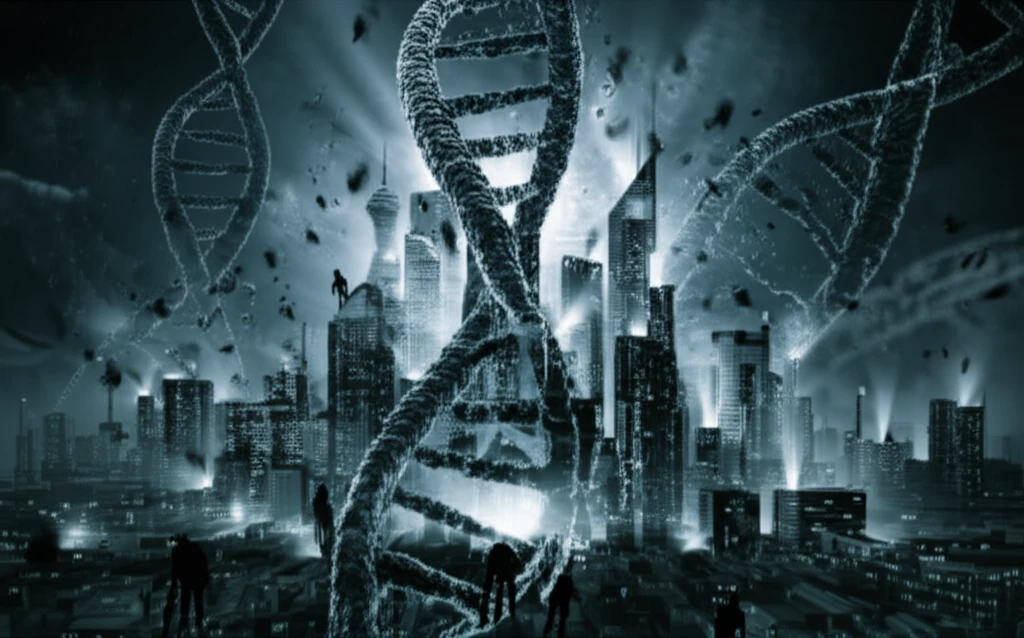
Imagine your genome as a massive city. Genes are the essential buildings, and regulatory elements are like city planners, deciding what gets built and where. In a healthy cell, everything is meticulously organized. In cancer cells, this organization breaks down. The 'city planners' (regulatory elements) start interacting in abnormal ways, causing chaos in gene expression and promoting tumor growth. Understanding this complex interplay is the key to unlocking new cancer therapies.
Now, a groundbreaking study is shedding light on this complex 3D landscape. Researchers have developed a new method to map chromatin interactions in pancreatic cancer cells, revealing how these interactions are disrupted by drugs that target epigenetic modifiers. This innovative approach is not just expanding our understanding of cancer; it's also paving the way for personalized treatments that target the unique vulnerabilities of individual tumors.
What is Chromatin and Why Does It Matter in Cancer?
Think of chromatin as the packaging material for your DNA. It's a complex mix of DNA and proteins that fit the incredibly long strands of DNA into the tiny nucleus of a cell. This packaging isn't just for storage; it also plays a vital role in regulating which genes are turned on or off. In cancer cells, the normal chromatin structure is often disrupted, leading to abnormal gene expression patterns that fuel tumor growth and resistance to treatment.
- Mapping the 3D Genome: Using advanced techniques to create detailed maps of chromatin interactions in cancer cells.
- Identifying Vulnerabilities: Pinpointing specific chromatin interactions that are essential for cancer cell survival.
- Developing Targeted Therapies: Creating drugs that disrupt these key interactions, effectively shutting down cancer-promoting genes.
- Personalized Medicine: Tailoring treatments based on the unique chromatin landscape of each patient's tumor.
A Glimmer of Hope for the Future
This study is just the beginning. As technology advances, we'll be able to map chromatin interactions with even greater precision and develop more sophisticated therapies that target the 3D genome. By understanding how cancer cells hijack the normal organization of our DNA, we can finally create treatments that are more effective, less toxic, and tailored to the unique needs of each patient.