
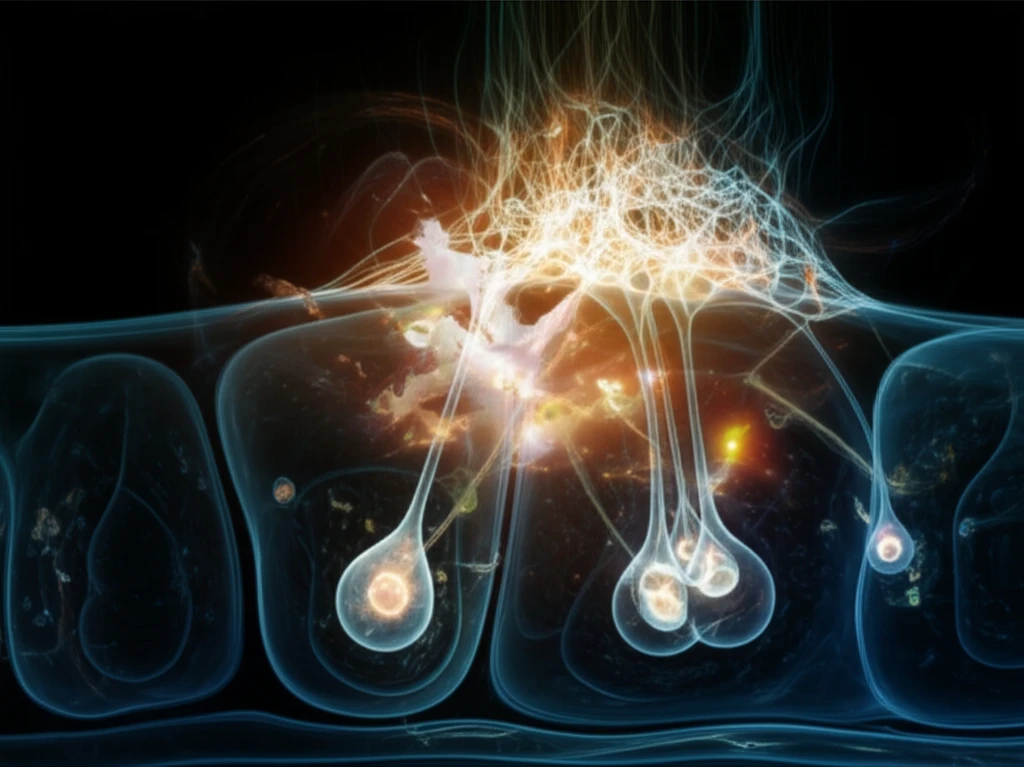
Unlocking Bone Growth: Stem Cell Discovery in Growth Plates

"Scientists identify a unique class of skeletal stem cells in the resting zone of growth plates, offering new insights into bone development and potential therapies."
Bone growth and maintenance rely on skeletal stem cells, which create a variety of cell types, including chondrocytes, osteoblasts, and bone marrow stromal cells. The growth plate, a cartilage-based tissue essential for bone elongation, has been thought to house a unique type of skeletal stem cell. New research sheds light on these elusive cells, detailing their location, function, and regulation within the growth plate.
Parathyroid hormone-related protein (PTHrP) plays a critical role in maintaining the growth plate. It interacts with Indian hedgehog (Ihh), a protein released from the hypertrophic zone, to control chondrocyte production. Until now, the precise identity of skeletal stem cells and their maintenance within the growth plate remained a mystery. This study uncovers a distinct population of PTHrP-positive chondrocytes that exhibit stem cell properties.
Using a mouse model, researchers have pinpointed skeletal stem cells within the resting zone of the postnatal growth plate. These PTHrP-positive chondrocytes express specific markers of skeletal stem and progenitor cells and uniquely possess skeletal stem cell characteristics when cultured. Cell-lineage analysis reveals that these cells continuously form columnar chondrocytes, which then transform into osteoblasts and bone marrow stromal cells beneath the growth plate.
The Resting Zone's Stem Cell Niche: A Dynamic Feedback System
The study's findings indicate that transit-amplifying chondrocytes in the proliferating zone, maintained by signals from undifferentiated (PTHrP) and hypertrophic (Ihh) cells, provide crucial cues for the fate of PTHrP-positive chondrocytes in the resting zone. This intricate feedback loop ensures the proper maintenance and function of these skeletal stem cells.
- Unique Stem Cell Type: Identification of a somatic stem cell that is initially unipotent but gains multipotency after mitosis, showcasing the malleable nature of skeletal cell lineages.
- Postnatal Specification: Discovery that dedicated stem cells and their niches are specified postnatally.
- Feedback Regulation: Demonstration of a tight feedback regulation system that maintains tissue growth.
Implications for Bone Regeneration and Therapy
This research provides a new framework for understanding skeletal stem cell biology and growth plate maintenance. The identification of PTHrP-positive chondrocytes as a unique stem cell population offers potential targets for regenerative therapies.
By understanding the signals that control the fate of these stem cells, researchers may be able to develop strategies to stimulate bone growth, repair cartilage damage, and treat skeletal disorders. Further research will focus on manipulating the PTHrP/Ihh signaling pathway to enhance stem cell activity and promote tissue regeneration.
This study not only advances our fundamental knowledge of skeletal development but also provides a foundation for innovative approaches to skeletal regenerative medicine.