
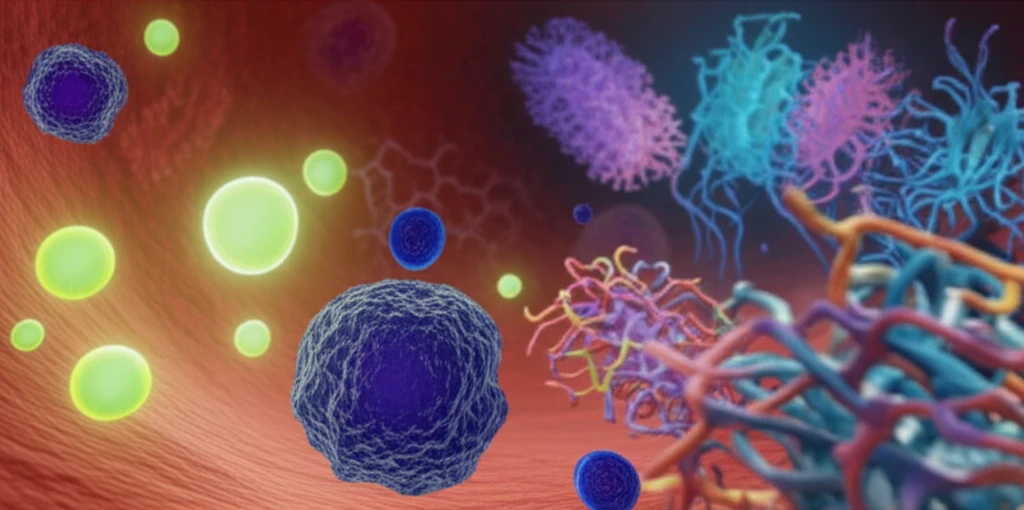
A digital illustration depicting unbound colistin molecules fighting bacteria in the bloodstream, representing the innovative approach of the new research.

Unlocking a Hidden Weapon: How a New Method is Revolutionizing Antibiotic Treatment

"Groundbreaking research reveals a novel approach to measuring unbound colistin, potentially transforming how we fight bacterial infections and improve patient outcomes. "


In the relentless battle against bacterial infections, antibiotics stand as our first line of defense. However, the effectiveness of these medications can be significantly impacted by how they interact with the body. One such antibiotic, colistin, used as a last resort, has now found a new research breakthrough. A recent study has unveiled a groundbreaking method to measure "unbound" colistin in clinical samples. This advancement promises to revolutionize how we treat severe infections, offering the potential to optimize treatment and improve patient outcomes.

Colistin's use is often a matter of life and death, especially in cases of infections resistant to other antibiotics. However, understanding its behavior within the body is complex. Colistin, like many drugs, doesn't circulate freely. It binds to proteins in the bloodstream, which can render it less effective. The 'unbound' colistin, the active form, is what actually fights the infection. The ability to accurately measure this active form is therefore vital for effective treatment.

This article delves into the innovative method developed to measure unbound colistin, exploring its significance, the process involved, and the potential impact on patient care. We'll examine the science behind the method, its advantages over existing techniques, and the exciting possibilities it opens up for the future of antibiotic therapy. Prepare to discover how this research is reshaping the landscape of infectious disease treatment.

What is Unbound Colistin, and Why Does It Matter?

A digital illustration depicting unbound colistin molecules fighting bacteria in the bloodstream, representing the innovative approach of the new research.

To understand the importance of this new method, we first need to grasp the concept of unbound colistin. When colistin is introduced into the bloodstream, it doesn't float around independently. Instead, a portion of it attaches to proteins, like a molecular 'handcuff'. This bound colistin is essentially inactive. The unbound portion, however, is the key player. It's the colistin that can actively seek out and destroy bacteria.

The amount of unbound colistin available directly influences the treatment's success. Too little, and the infection may persist; too much, and the patient might experience side effects. The challenge lies in accurately measuring this unbound fraction to ensure the right dosage is administered.

  • Effective Treatment: Unbound colistin is the active form that fights infection. Accurate measurement ensures the right amount to kill bacteria.
  • Personalized Dosage: Different patients have varying levels of protein, impacting how colistin binds. Measuring unbound colistin allows for personalized treatment.
  • Reduced Side Effects: Optimizing the dosage based on unbound colistin levels helps minimize the risk of adverse reactions, such as kidney damage.
  • Improved Patient Outcomes: By ensuring the right amount of active drug, treatment effectiveness increases, and patient recovery is improved.
The research highlights the need for a method that can swiftly and precisely measure unbound colistin. Previous methods had limitations, including being time-consuming or not suitable for real-time clinical use. The new approach offers a significant improvement, providing clinicians with a valuable tool to enhance patient care.

The Future of Antibiotic Treatment: A New Era of Precision

The development of this method marks a significant step forward in antibiotic therapy. By providing a way to accurately measure unbound colistin, healthcare professionals can now personalize treatment plans with greater precision, potentially saving lives and improving patient outcomes. This research underscores the ongoing importance of innovation in healthcare, offering hope in the fight against increasingly resistant bacterial infections. As we move forward, this new approach has the potential to reshape the way we approach antibiotic treatments and make a positive difference in countless lives.

About this Article -

This article was crafted using a human-AI hybrid and collaborative approach. AI assisted our team with initial drafting, research insights, identifying key questions, and image generation. Our human editors guided topic selection, defined the angle, structured the content, ensured factual accuracy and relevance, refined the tone, and conducted thorough editing to deliver helpful, high-quality information.See our About page for more information.

This article is based on research published under:

DOI-LINK: 10.1016/j.ijantimicag.2018.10.017, Alternate LINK

Title: Investigation Of Unbound Colistin A And B In Clinical Samples Using A Mass Spectrometry Method

Subject: Pharmacology (medical)

Journal: International Journal of Antimicrobial Agents

Publisher: Elsevier BV

Authors: D. Fage, G. Deprez, F. Wolff, M. Hites, F. Jacobs, F. Van Bambeke, F. Cotton

Published: 2019-03-01

Everything You Need To Know

1

Why is measuring 'unbound colistin' so important when treating bacterial infections?

Measuring unbound colistin is crucial because it represents the active form of the antibiotic that directly fights the infection. Colistin binds to proteins in the bloodstream, and only the 'unbound' portion can effectively target and destroy bacteria. By accurately measuring unbound colistin, clinicians can ensure patients receive the optimal dosage needed to combat the infection, enhancing treatment effectiveness. This targeted approach helps avoid under-dosing, which may lead to persistent infections, and over-dosing, which increases the risk of side effects like kidney damage.

2

How does this new method of measuring unbound colistin improve patient outcomes compared to previous methods?

The new method for measuring unbound colistin improves patient outcomes by allowing for more precise and personalized treatment plans. Previous methods were often time-consuming and not suitable for real-time clinical use. This new approach enables healthcare professionals to quickly and accurately determine the active amount of colistin in a patient's system, ensuring that the dosage is optimized to effectively fight the infection while minimizing the risk of adverse reactions. This precision is particularly important because different patients have varying protein levels, which affects how colistin binds in their bloodstream.

3

What are the potential side effects if the dosage of colistin is not accurately determined based on unbound levels?

If the dosage of colistin is not accurately determined based on unbound levels, there are significant risks of both under-treatment and over-treatment. Under-treatment, caused by too little unbound colistin, may lead to the infection persisting or worsening, potentially leading to more severe health complications. Conversely, over-treatment, resulting from excessive unbound colistin, can increase the risk of adverse reactions, such as kidney damage. Accurate measurement of unbound colistin is essential for optimizing the balance between efficacy and safety.

4

How does measuring unbound colistin contribute to personalized medicine in antibiotic therapy?

Measuring unbound colistin is a significant step toward personalized medicine in antibiotic therapy because it acknowledges that each patient's body interacts differently with the drug. Factors such as varying protein levels can impact how colistin binds in the bloodstream, affecting the amount of active, unbound drug available to fight the infection. By measuring unbound colistin, healthcare providers can tailor the dosage to meet the specific needs of each patient, optimizing treatment effectiveness and minimizing the risk of side effects. This personalized approach marks a shift from standardized dosing regimens to more individualized care.

5

Could the method developed for measuring unbound colistin be applied to other antibiotics in the future, and what impact might this have on treating resistant bacterial infections?

Yes, the method developed for measuring unbound colistin has the potential to be adapted and applied to other antibiotics, especially those that also bind significantly to proteins in the bloodstream. If successfully applied to other antibiotics, this approach could revolutionize the treatment of resistant bacterial infections. By accurately measuring the active, unbound fraction of various antibiotics, clinicians can optimize dosing strategies, improve treatment outcomes, and potentially combat the growing threat of antibiotic resistance. This precision could also help extend the lifespan of existing antibiotics by ensuring they are used more effectively.

Newsletter Subscribe

Subscribe to get the latest articles and insights directly in your inbox.