
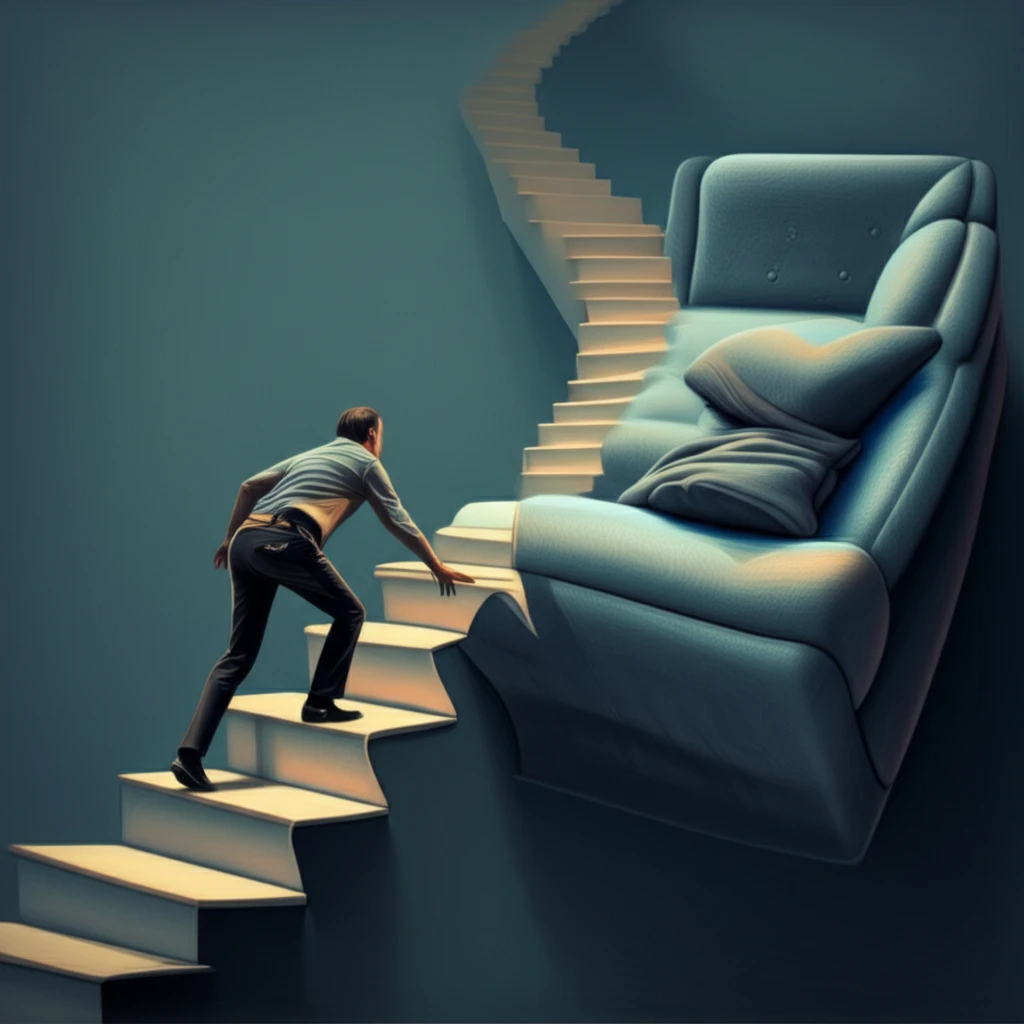
Unlocking a Healthier You: Understanding Barriers to Physical Activity

"Discover how to overcome common obstacles and embrace a more active lifestyle for better health and well-being."
In today's fast-paced world, staying active can feel like a constant battle. We all know that physical activity is crucial for preventing chronic diseases and promoting overall health, but the reality is that many of us struggle to meet the recommended guidelines. This article delves into the common obstacles that hinder physical activity, particularly among urban community residents, and explores the often-overlooked impact of sedentary behavior.
While the benefits of regular exercise are widely known, research reveals that prolonged sedentary time, independent of exercise, can negatively affect our health. This creates a dual challenge: not only do we need to increase our physical activity levels, but we also need to reduce the amount of time we spend sitting. This is especially important for at-risk populations, where health disparities may compound these challenges.
By understanding the specific barriers that prevent people from being active and addressing misconceptions about sedentary behavior, we can pave the way for more effective interventions and strategies. This article bridges that gap, offering practical insights and highlighting the importance of raising awareness about both physical activity and sedentary lifestyles.
The Hurdles to an Active Life: Common Roadblocks
Research reveals a variety of factors that prevent people from engaging in regular physical activity. These barriers often fall into several key categories:
- Lack of Time: Many individuals struggle to find time for exercise amidst their busy schedules and daily responsibilities.
- Insufficient Finances: The cost of gym memberships, exercise equipment, or recreational activities can be a barrier for those with limited financial resources.
- Neighborhood Crime: Safety concerns and the fear of crime can deter people from exercising outdoors, especially in urban areas.
- Fatigue and Lack of Motivation: Feeling tired or unmotivated can make it difficult to start or maintain an exercise routine.
- Physical Limitations: Health conditions, injuries, or disabilities can restrict physical activity options and create additional challenges.
Turning the Tide: Strategies for a More Active Community
While the challenges to physical activity are significant, they are not insurmountable. By understanding these barriers and implementing targeted strategies, we can create healthier, more active communities. Raising awareness is the first crucial step.
Many people are unaware of the negative health implications of prolonged sedentary time. Public health campaigns and educational initiatives can help to highlight these risks and motivate people to reduce their sitting time.
Ultimately, the goal is to create a culture that supports and encourages physical activity for everyone, regardless of their background or circumstances. This requires a collaborative effort involving individuals, communities, and policymakers.