
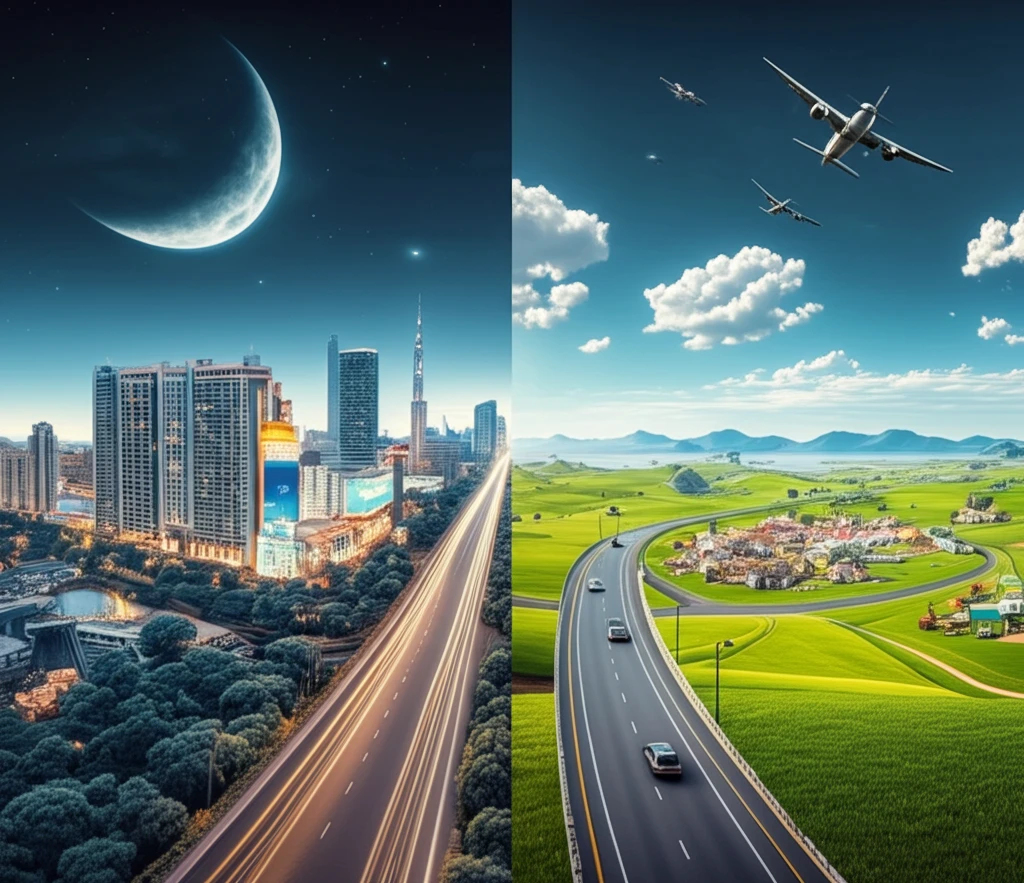
Unlock Your Perfect Trip: How Overnight vs. Same-Day Tourism Drives Unique Experiences

"Discover the hidden factors that shape your travel adventures – from cultural immersion to quick getaways. Learn how your choice of stay dramatically impacts your destination!"
Tourism is a huge part of many local economies. The length of time people stay during their trips, whether it's overnight or just for the day, significantly changes the economic, social, and environmental effects on the places they visit. Therefore, understanding these different tourism behaviors is essential for effective management and sustainable growth.
Traditionally, tourism has been categorized into overnight stays and same-day visits. Overnight tourists often seek a deeper immersion in the local culture, requiring accommodations and contributing more to the local economy through lodging, meals, and entertainment. Same-day visitors, on the other hand, typically look for quick experiences and convenience, utilizing transportation and day-use facilities.
Despite the recognized differences, there's a lack of research on what actually drives these distinct travel preferences. Traditional tourism data often fails to capture the nuances of these behaviors. But now, new data sources and analysis methods are emerging, providing exciting insights into the factors that influence tourists' choices and experiences.
The Size and Shape of Modern Tourism
Tourism has grown into one of the world's most significant economic activities, touching nearly every region of the globe. An increasing share of travel now happens through digital channels, with mobile devices shaping how people plan, book, and experience trips. Because the industry's statistics are constantly evolving, the precise figures shift from year to year and vary by source. What is clear is that tourism's reach is broad, and the way it is measured continues to adapt to new technologies.
Big Data and Mobile Methods for Measuring Tourist Mobility
The standard approach to studying tourism travel behavior increasingly relies on big data, with mobile phone (MP) data accumulated through information and communication technology offering rich information on the travel modes and path choices of tourists. Passive mobile data and passive GPS data have been compared against reference data for holiday destinations to assess how accurately tourism can be measured with these Big Data sources. National statistics agencies are also testing mobile network data as a complement to official statistics, gathering the knowledge needed to make such sources official in the near future. However, the literature points to real limitations: these approaches differ in what they measure, and research on tracking tourist mobility continues to examine gaps in data sources, methodologies, and theoretical contributions.
From Pilgrimage to Mass Tourism
Tourism's history stretches back to early motivations for travel, which included pilgrimage, exploration, and trade long before leisure travel became widespread. The 19th-century figure Thomas Cook is widely credited with democratizing tourism by organizing packaged excursions that made travel accessible to broader groups. New tourism sectors continued to emerge through the 20th and 21st centuries as accessibility and infrastructure advanced. A milestone of institutional history came in 1975 with the creation of the World Tourism Organization, which in 2025 celebrated 50 years of multilateral cooperation in tourism.
Decoding the Drivers: What Makes Tourists Choose Their Stay?
Recent research dives deep into the details that affect how people travel, particularly what encourages them to take same-day trips versus staying overnight. This study uses data from mobile networks in Lombardy, Italy, giving a detailed look at real travel habits.
- Accommodation Matters: More places to stay, like hotels, draw in tourists who plan to stay the night.
- Culture and Nature: Spots rich in culture and beautiful scenery also attract overnight visitors.
- Quick Fun: Temporary events and good transport links are key for those making short, same-day visits.
- Trade-Offs: It's hard for a place to be great for both types of visits. Places that are popular for overnight stays might not be the best for quick trips.
Smart Destinations and the Digitized Traveler
Recent reviews show that research has consolidated around 'smart tourism destinations,' with one systematic review and thematic analysis examining 43 studies that apply qualitative approaches to these destinations and identifying research trends that need attention. A related systematic review of the smart tourism era maps decision types across the travel journey and highlights opportunities to connect them, align data and system design with tourism-specific decisions, and examine how emerging technologies can support travelers and tourism organizations. Industry statistics reflect this momentum, reporting that the global travel and tourism sector has recovered from the pandemic and is booming again.
Challenges That Complicate Tourism's Promise
Despite tourism's growth, the sector confronts a set of persistent challenges that include climate change, overtourism, threats to diversity, security, technology, labour issues, and competitiveness. Digital transformation adds its own complications, and contemporary literature reviews identify significant trends in digital transformation while also uncovering new and still-underdeveloped areas of digitization within tourism research. Industry statistics track the uneven impact of technology on travel and tourism, where innovation brings both gains and new frictions. Together, these sources caution that tourism's benefits are not automatic and must be actively managed.
How Mobile Travel Compares Across Trip Types
Market statistics on mobile travel trends offer one way to compare how travelers behave across different trip types and contexts. According to the data aggregated by Statista on mobile travel trends, mobile devices have become a central tool throughout the travel journey, shaping everything from search and booking to on-the-go decision-making. These figures provide a comparative lens for looking at same-day and overnight visitors, since mobile behavior can differ substantially depending on trip duration and planning needs. Because this single source aggregates a range of statistics, its figures serve as a comparative snapshot rather than a definitive measure.
Crafting Your Ideal Getaway: Aligning Travel Style with Destination Vibe
Ultimately, whether you’re planning a whirlwind day trip or an immersive overnight stay, understanding the core drivers behind these travel styles can significantly enhance your experience. Recognizing that certain destinations cater more effectively to specific types of tourism allows travelers to align their expectations and maximize their enjoyment. So, pack your bags, choose your adventure, and get ready to explore the world in a way that perfectly suits your travel desires!
An Analyst View of Tourism's Drivers
Industry analysts at GlobalData frame the travel and tourism sector through a 360-degree view that combines data with expert analysis. Their commentary identifies emerging trends, disruptive technologies, and market drivers that are shaping the industry. Such syntheses are useful for connecting the different measurements discussed earlier - same-day versus overnight travel, mobile and big-data methods - into a single picture of where tourism is heading. Depending on the analytical lens, these drivers can emphasize growth potential, competitive intensity, or the risks associated with rapid change.
AI, Personalization, and the Mobile-First Trip
Looking toward 2026, digital tourism trends emphasize AI-driven planning, personalized experiences, and sustainability as defining forces in travel. Market research on mobile travel expects continued growth of digital travel platforms, with analysts tracking industry trends and the rise of app-based travel services. The OECD's 2026 edition of Tourism Trends and Policies examines tourism performance and policy developments across 53 OECD and partner countries, stressing the need for flexible, coordinated policy action to strengthen resilience in an uncertain landscape. Combined, these outlooks suggest that the future of tourism - including the choices travelers make between same-day and overnight trips - will be increasingly shaped by accessible technology and sustainability pressure.
Smart Ecosystems and the Fourth Industrial Revolution
Broader analysis situates tourism within the Fourth Industrial Revolution, with research on smart tourism ecosystems (STE) examining how technology-driven interventions enhance accessibility and visibility while fostering the development of smart and sustainable destinations. Studies of digital transformation in the sector identify both opportunities and challenges associated with advanced technologies, from improved connectivity to operational and governance barriers. Critical reviews of tourism today likewise catalogue persistent challenges and strategic opportunities for sustainable growth, often linking competitiveness and sustainability to information and communication technologies. Together these works frame smart tourism infrastructure as both a systemic response to pressure on destinations and a challenge in its own right.
Visitors, Communities, and Case-Based Evidence
Real-world case material shows how mobile data collection and tools such as GIS technology and drones are used to gain insights into visitor behavior, enabling better crowd management and personalized experiences in tourism destinations. A growing library of case studies, curated by CABI Digital Library, documents sustainable tourism development and practical industry insights across a range of real-world settings. Marketing case studies in travel and tourism further illustrate how the industry is evolving toward personalized experiences that respond to what travelers actually want. These case-based accounts translate data-driven measurement into tangible benefits for visitors and the destinations that host them.