
Unlock Your Ovary's Potential: How FSH Boosts Retinol for Healthy Follicles

"Discover the surprising link between follicle-stimulating hormone (FSH) and retinol metabolism in your ovaries, and why it matters for fertility."
Retinoids, which include retinol (vitamin A) and its derivatives, are crucial for maintaining healthy ovaries and supporting normal reproductive function. Think of them as essential building blocks for your ovarian cells. But how does your body regulate these retinoids within the ovary, especially during the critical process of follicular development? That's the question scientists are working to unravel.
Follicular development, where follicles mature into eggs is intricately controlled by hormones. This process relies on neuroendocrine activities which includes gonadotropin-releasing hormone (GnRH). After puberty, the control switches to follicle-stimulating hormone (FSH) and luteinizing hormone (LH) released by the pituitary gland.
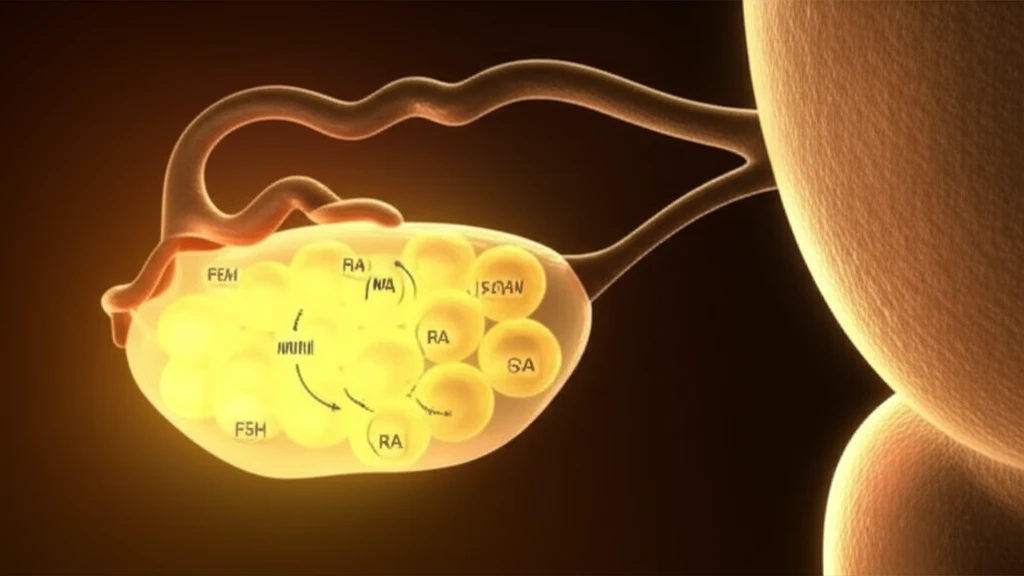
A recent study sheds light on the relationship between follicle-stimulating hormone (FSH) and retinoid metabolism in the ovaries. By examining retinoid levels and gene expression in mice, researchers have uncovered a fascinating mechanism by which FSH promotes retinol uptake and its conversion into retinoic acid (RA), a key player in follicular development.
FSH's Impact: Boosting Retinol and RA in Your Ovaries
The study revealed that FSH increases the levels of total retinoids and retinoic acid (RA) in the ovaries. Simultaneously, it boosts the expression of genes like Adh1 and Aldh1a1, which are responsible for converting retinol into RA. This suggests that FSH actively encourages the production of RA within the ovaries.
- Increases total retinoid levels in ovaries
- Boosts retinoic acid (RA) production
- Enhances Adh1 and Aldh1a1 gene expression (RA conversion)
- Reduces retinyl ester levels (storage form)
- Inhibits Lrat gene expression (retinol storage)
The Bigger Picture: Why This Matters for You
This research provides valuable insights into the complex hormonal regulation of retinoid metabolism within the ovaries. By understanding how FSH influences retinol uptake and RA production, we can potentially develop strategies to support healthy follicular development and improve fertility.
While the study was conducted on mice, the findings may have implications for human reproductive health. Further research is needed to fully understand the role of FSH and retinoids in human ovarian function.
If you're concerned about your fertility or hormonal health, talk to your doctor. They can assess your individual needs and recommend appropriate interventions. Stay tuned for more research in this exciting area of reproductive biology!