
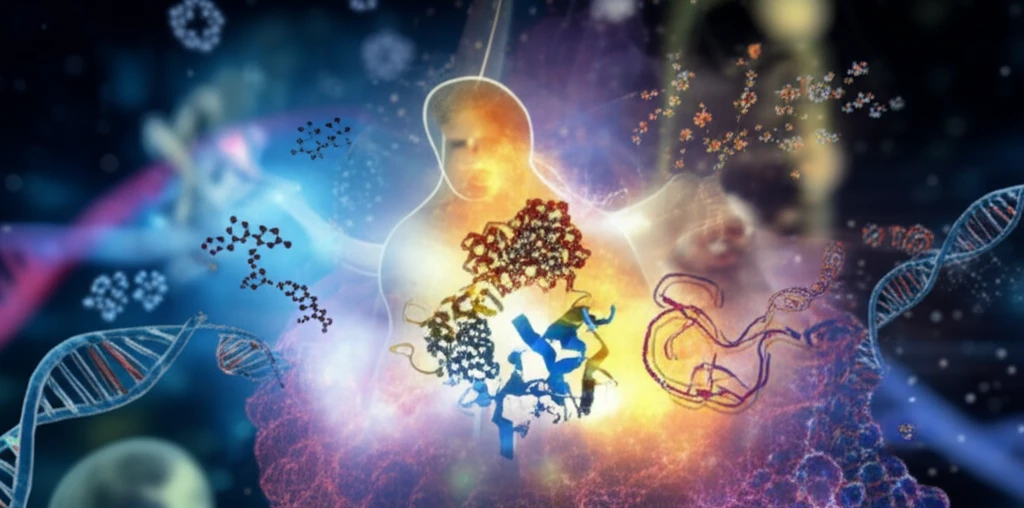
Illustration depicting the interaction of SIRT1 protein and microRNAs within a cell, symbolizing the regulation of health and longevity.

Unlock Your Longevity Potential: How MicroRNAs and SIRT1 Are Revolutionizing Health

"Discover the fascinating connection between your genes, cellular health, and the secrets to a longer, healthier life, exploring the role of microRNAs and SIRT1 in metabolic disease and aging."


In the relentless pursuit of a longer, healthier life, scientists are constantly uncovering the intricate mechanisms that govern our aging process and overall well-being. One area of intense focus involves the microscopic world of our cells, where tiny molecules called microRNAs (miRNAs) and a remarkable protein known as SIRT1 are making waves. These elements are not just components of our cellular machinery; they are key players in a complex interplay that influences everything from our metabolism to our lifespan.

This article delves into the compelling relationship between miRNAs and SIRT1, shedding light on their significance in metabolic health and age-related diseases. We'll explore the latest research, which reveals how these molecular actors interact to regulate our body's functions, and how this knowledge could pave the way for groundbreaking treatments and interventions. Prepare to uncover the secrets of cellular health and discover how these tiny molecules hold the key to unlocking your longevity potential.

The exploration of miRNAs and SIRT1 opens a window into understanding how our bodies respond to various factors, including diet, lifestyle, and environmental influences. The insights gained from this research offer the promise of developing targeted strategies to combat age-related diseases, improve metabolic function, and ultimately, extend our healthy lifespans.

Unveiling SIRT1: The Cellular Guardian of Health and Longevity

Illustration depicting the interaction of SIRT1 protein and microRNAs within a cell, symbolizing the regulation of health and longevity.

At the heart of this scientific exploration lies SIRT1, a protein that has garnered significant attention for its profound impact on cellular health. SIRT1, short for Sirtuin 1, is a type of protein called a deacetylase. It plays a critical role in various physiological processes, most notably in the regulation of metabolism, cellular repair, and longevity. SIRT1 acts as a cellular guardian, influencing a wide range of biological processes, from how our bodies process nutrients to how effectively they repair damage.

The functions of SIRT1 are extensive, impacting many aspects of our health. It plays a key role in regulating lipid and glucose metabolism, which is crucial for maintaining healthy blood sugar and cholesterol levels. SIRT1 also has a hand in cellular defense mechanisms, helping to repair DNA damage and protect cells from oxidative stress. Furthermore, SIRT1 has been linked to increased longevity, with studies showing that activating SIRT1 can extend the lifespan of various organisms, including mammals.

  • Metabolic Regulation: SIRT1 helps regulate glucose and lipid metabolism, crucial for maintaining healthy blood sugar and cholesterol levels.
  • Cellular Repair: It plays a role in repairing DNA damage, protecting cells from oxidative stress.
  • Longevity: Activation of SIRT1 has been linked to increased lifespan in various organisms.
  • Inflammation: SIRT1 can reduce inflammation.
  • Mitochondrial Function: It helps to improve mitochondrial biogenesis
The discovery of SIRT1's role in promoting longevity and health has ignited a flurry of research, with scientists eager to understand how to harness its power. The challenge lies in understanding how SIRT1 functions within the intricate web of cellular processes and how we can manipulate its activity to our benefit. This is where the role of microRNAs comes into play.

The Future of SIRT1 and MicroRNAs: A Path to a Healthier Tomorrow

The exploration of the intricate relationship between SIRT1 and miRNAs has opened up new avenues for research and treatment. As scientists continue to decipher the complexities of this molecular dance, we can anticipate even more groundbreaking discoveries. The potential of targeting the FXR/miR-34a pathway, along with other miRNAs, offers hope for the development of new therapies. These could address a wide array of age-related metabolic diseases, from fatty liver and obesity to type 2 diabetes. The journey to a healthier future is ongoing, but with the understanding of SIRT1 and miRNAs, we are moving closer to unlocking the secrets of a longer, healthier life.

About this Article -

This article was crafted using a human-AI hybrid and collaborative approach. AI assisted our team with initial drafting, research insights, identifying key questions, and image generation. Our human editors guided topic selection, defined the angle, structured the content, ensured factual accuracy and relevance, refined the tone, and conducted thorough editing to deliver helpful, high-quality information.See our About page for more information.

This article is based on research published under:

DOI-LINK: 10.18632/aging.100184, Alternate LINK

Title: Controlling Sirt1 Expression By Micrornas In Health And Metabolic Disease

Subject: Cell Biology

Journal: Aging

Publisher: Impact Journals, LLC

Authors: Jiyoung Lee, Jongsook Kim Kemper

Published: 2010-08-05

Everything You Need To Know

1

What is SIRT1 and why is it important for cellular health?

SIRT1, short for Sirtuin 1, is a protein known as a deacetylase. It's a critical player in regulating metabolism, cellular repair, and longevity. SIRT1 acts as a cellular guardian by influencing biological processes such as nutrient processing and damage repair. This protein impacts lipid and glucose metabolism, DNA repair, and protection against oxidative stress. Studies suggest activating SIRT1 can extend lifespan.

2

How do microRNAs (miRNAs) relate to SIRT1 in the context of aging and metabolic health?

MicroRNAs (miRNAs) and SIRT1 are key players in a complex interplay that influences metabolism and lifespan. Research explores how miRNAs and SIRT1 interact to regulate body functions. For example, targeting the FXR/miR-34a pathway, a specific microRNA, along with SIRT1 offers hope for developing new therapies. The exploration of the relationship between SIRT1 and miRNAs could lead to strategies to combat age-related diseases and improve metabolic function.

3

What specific benefits does SIRT1 provide regarding metabolic regulation?

SIRT1 plays a key role in regulating both glucose and lipid metabolism. This regulation is crucial for maintaining healthy blood sugar and cholesterol levels. By effectively managing these metabolic processes, SIRT1 contributes to overall metabolic health, reducing the risk of related complications. It can reduce inflammation and improve mitochondrial biogenesis.

4

In what ways does SIRT1 contribute to cellular repair and protection?

SIRT1 actively participates in cellular defense mechanisms. It helps repair DNA damage and protects cells from oxidative stress. These protective functions are vital for maintaining cellular integrity and function, guarding against the harmful effects of aging and environmental stressors. While not explicitly mentioned, cellular repair often involves processes like autophagy, where damaged cell components are removed, and SIRT1 likely plays a role in these broader repair mechanisms.

5

What implications does the relationship between microRNAs and SIRT1 have for future treatments of age-related diseases?

The intricate relationship between SIRT1 and microRNAs opens new research and treatment avenues. Targeting pathways like FXR/miR-34a offers hope for developing therapies for age-related metabolic diseases such as fatty liver, obesity, and type 2 diabetes. A deeper understanding of this molecular dance could lead to groundbreaking discoveries and strategies for extending healthy lifespans. Further research needs to clarify specific methods of targeting and their effects on different tissues and organs.

Newsletter Subscribe

Subscribe to get the latest articles and insights directly in your inbox.