
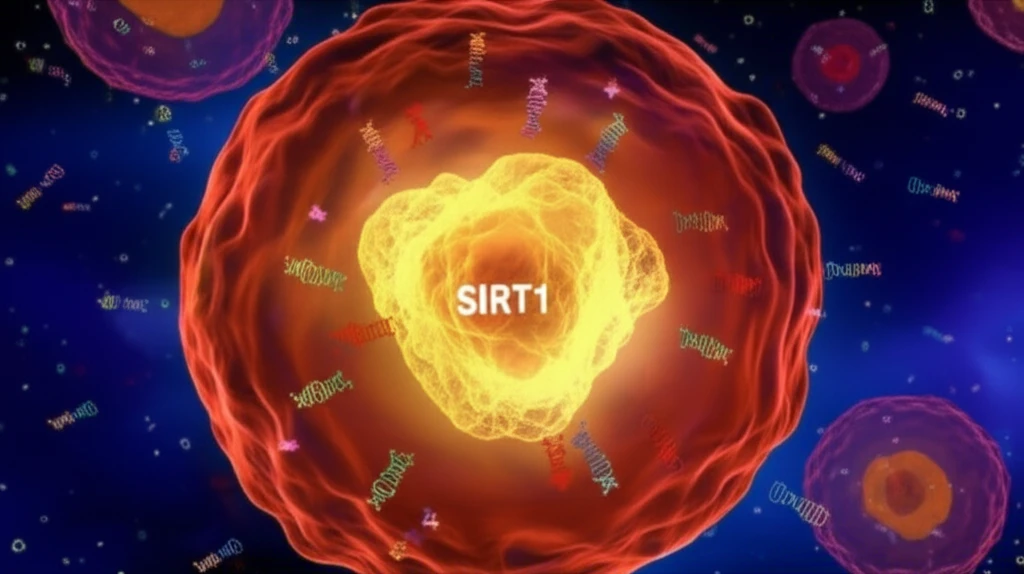
Unlock Your Longevity Genes: How to Boost SIRT1 and Fight Aging

"Discover the secrets to activating your body's natural defense against aging and metabolic diseases with SIRT1. Learn how microRNAs and lifestyle changes can make a difference."
In our modern world, maintaining metabolic balance is a constant challenge. Factors like high cholesterol, increased bile acids, triglycerides, and glucose disrupt our body's harmony, leading to metabolic disorders, including heart disease, fatty liver, obesity, and diabetes. This is where SIRT1 steps in as a critical regulator. This remarkable protein, dependent on NAD+, helps maintain metabolic stability, influencing how we age. Studies show that boosting SIRT1 can extend lifespan across various organisms, even mammals.
But here's the catch: Despite all the research highlighting SIRT1's incredible benefits, how its expression is regulated under normal conditions, and why its levels drop in metabolic disease states, remains a puzzle. This is where the groundbreaking work on microRNAs (miRs) comes into play. These tiny molecules are emerging as master regulators of cellular processes, including metabolism, offering new insight into controlling SIRT1.
This article will explore how microRNAs regulate SIRT1 expression. We'll delve into the recently identified FXR/SHP pathway—a crucial cascade that governs miR-34a and its target, SIRT1. You'll also discover a fascinating FXR/SIRT1 feedback loop that goes awry in metabolic diseases. Ultimately, understanding the FXR/miR-34a pathway and other miRs could unlock therapeutic strategies for age-related diseases and metabolic disorders.
SIRT1: The Cellular Fountain of Youth?
Imagine a cellular process that not only extends lifespan but also enhances overall survival. That's the power of caloric restriction (CR), and SIRT1 is its key player. This protein mediates the beneficial effects of CR by using NAD+ to regulate metabolic genes. SIRT1 influences the activity of essential metabolic regulators like PGC-1α, p53, Foxo 1, NF-κB, LXR, and FXR, which are all critical for lipid and glucose metabolism, reducing inflammation, creating new mitochondria, and maintaining energy balance.
- Resveratrol & SRT1720: Natural and synthetic compounds that activate SIRT1, improving insulin resistance and metabolic profiles.
- SIRT1 Transgenic Mice: Genetically engineered mice show resistance to weight gain, improved insulin sensitivity, and protection against diet-induced metabolic damage.
- Liver-Specific Studies: Mice lacking SIRT1 in the liver showed altered fatty acid metabolism and increased inflammation.
- Endothelial Protection: SIRT1 reduces endothelial activation in hypercholesterolemic mice, supporting vascular health.
The Future of SIRT1: Targeting microRNAs for Therapy
SIRT1's proven anti-aging properties and wide-ranging benefits make it a prime target for research. While decreased SIRT1 levels have been observed in liver, muscle, and adipose tissues of obese mice, the reasons behind this decline were not well-understood. The discovery of the FXR/miR-34a pathway provides a crucial piece of the puzzle, revealing how elevated miR-34a levels in obese mice contribute to decreased SIRT1 levels. With the ongoing development of effective miR inhibitors like antagomirs, it's becoming increasingly feasible to correct this imbalance.