
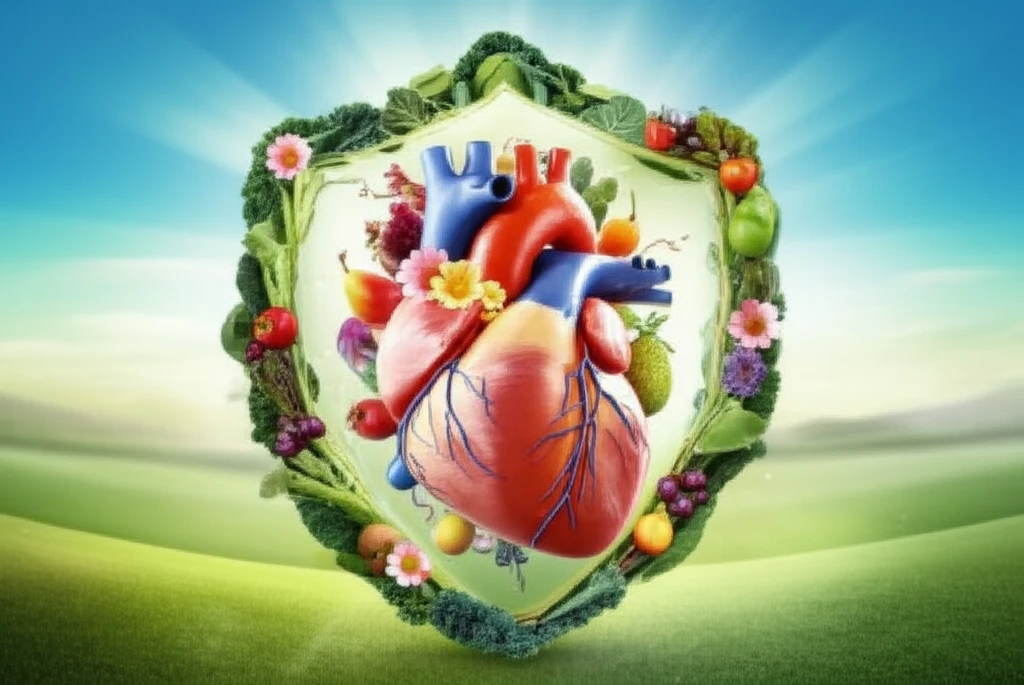
A heart blossoming with flowers and fruits, symbolizing the heart-healthy benefits of flavonoids.

Unlock Your Heart's Potential: How Flavonoids Can Transform Your Cardiovascular Health

"A deep dive into the SUN cohort study reveals the powerful connection between flavonoid intake and a healthier heart."


Cardiovascular diseases (CVDs) remain the leading cause of mortality worldwide, accounting for a staggering 17.5 million deaths each year. While genetics play a role, many CVDs are preventable by addressing key risk factors like obesity, high blood pressure, unhealthy cholesterol levels, diabetes, tobacco use, physical inactivity, and poor dietary choices. Among these, diet stands out as a powerful lever for change.

In recent years, research has increasingly focused on the potential of dietary polyphenols to protect against CVD. Polyphenols are naturally occurring compounds found in various plant-based foods. They're not essential for plant survival, but they're incredibly beneficial for human health. These compounds act as potent antioxidants and anti-inflammatory agents, working at a cellular level to combat the processes that lead to heart disease.

However, not all polyphenols are created equal. Scientists are particularly interested in flavonoids, a specific class of polyphenols known for their diverse health benefits. While studies have suggested a link between polyphenol-rich diets and reduced CVD risk, the precise relationship between different types of polyphenols and cardiovascular outcomes remains an area of active investigation. That's where the SUN cohort study comes in.

The SUN Cohort Study: Shining Light on Flavonoids and Heart Health

A heart blossoming with flowers and fruits, symbolizing the heart-healthy benefits of flavonoids.

The "Seguimiento Universidad de Navarra" (SUN) Project, an ongoing prospective cohort study in Spain, has been tracking the health and dietary habits of university graduates since 1999. Researchers have meticulously collected data through questionnaires, providing a rich dataset to explore various health questions. A recent analysis of the SUN project data specifically investigated the connection between total polyphenol intake, different polyphenol subtypes, and the incidence of cardiovascular disease.

The study involved a substantial cohort of 17,065 university graduates, with a mean age of 37.2 years. Participants were followed for an average of 10.1 years, during which researchers tracked the occurrence of major cardiovascular events such as myocardial infarction (heart attack), stroke, and cardiovascular death. Dietary polyphenol intake was carefully assessed using a validated food frequency questionnaire (FFQ), which captured detailed information about the types and quantities of food consumed by participants.

The study found that:
  • Cherries, chocolate, coffee, apples, and olives were major sources of polyphenol intake in the cohort.
  • Participants with higher flavonoid intake had a 47% lower incidence of cardiovascular events compared to those with the lowest intake.
  • This protective effect remained significant even after adjusting for potential confounding factors like age, sex, BMI, physical activity, smoking status, and other dietary habits.
  • No significant associations were observed between other polyphenol types (phenolic acids, stilbenes, lignans, and other polyphenols) and cardiovascular risk.
These findings suggest that flavonoids may play a particularly important role in protecting against CVD. The researchers emphasize that this study provides valuable evidence supporting the inclusion of flavonoid-rich foods in a heart-healthy diet.

Embrace Flavonoids for a Healthier Heart

The SUN cohort study adds to the growing body of evidence supporting the cardiovascular benefits of flavonoids. While more research is always needed, these findings suggest that incorporating flavonoid-rich foods into your diet is a proactive step towards a healthier heart. Fill your plate with colorful fruits and vegetables, savor a square of dark chocolate, and enjoy a cup of tea or coffee – all delicious ways to boost your flavonoid intake and unlock your heart's potential. Remember, a balanced diet and healthy lifestyle are key to overall well-being, and flavonoids can be a valuable part of that equation.

About this Article -

This article was crafted using a human-AI hybrid and collaborative approach. AI assisted our team with initial drafting, research insights, identifying key questions, and image generation. Our human editors guided topic selection, defined the angle, structured the content, ensured factual accuracy and relevance, refined the tone, and conducted thorough editing to deliver helpful, high-quality information.See our About page for more information.

This article is based on research published under:

DOI-LINK: 10.1016/j.numecd.2018.09.012, Alternate LINK

Title: Total Polyphenol Intake, Polyphenol Subtypes And Incidence Of Cardiovascular Disease: The Sun Cohort Study

Subject: Cardiology and Cardiovascular Medicine

Journal: Nutrition, Metabolism and Cardiovascular Diseases

Publisher: Elsevier BV

Authors: R.D. Mendonça, N.C. Carvalho, J.M. Martin-Moreno, A.M. Pimenta, A.C.S. Lopes, A. Gea, M.A. Martinez-Gonzalez, M. Bes-Rastrollo

Published: 2019-01-01

Everything You Need To Know

1

What are cardiovascular diseases, and why are they such a big deal?

Cardiovascular diseases are a group of conditions affecting the heart and blood vessels. They are significant because they are the leading cause of mortality worldwide. Many CVDs are preventable by addressing risk factors such as obesity, high blood pressure, unhealthy cholesterol levels, diabetes, tobacco use, physical inactivity, and poor dietary choices. The impact of CVDs is substantial, leading to millions of deaths each year, and highlights the importance of preventive measures and lifestyle changes.

2

What exactly are polyphenols, and why should I care about them?

Polyphenols are naturally occurring compounds found in plant-based foods. They are not essential for plant survival but are incredibly beneficial for human health due to their antioxidant and anti-inflammatory properties. These compounds work at a cellular level to combat the processes that lead to heart disease. While not all polyphenols are the same, they all contribute differently to cardiovascular health.

3

I keep hearing about flavonoids. What are they, and where can I find them?

Flavonoids are a specific class of polyphenols known for their diverse health benefits. They are found in foods like cherries, apples, and chocolate. The significance of flavonoids lies in their potential to reduce the risk of cardiovascular events. The SUN cohort study suggests that higher flavonoid intake is associated with a lower incidence of cardiovascular issues, making them an important component of a heart-healthy diet.

4

What is the SUN cohort study, and what makes it so important?

The SUN cohort study is an ongoing prospective study in Spain that has been tracking the health and dietary habits of university graduates since 1999. Its significance lies in providing a rich dataset to explore various health questions, including the connection between polyphenol intake and cardiovascular disease. By meticulously collecting data through questionnaires, the SUN project offers valuable insights into the long-term effects of diet on heart health.

5

What were the main findings about flavonoid intake and heart health?

The study revealed that participants with higher flavonoid intake had a 47% lower incidence of cardiovascular events compared to those with the lowest intake. This protective effect remained significant even after adjusting for potential confounding factors. This suggests that incorporating flavonoid-rich foods into your diet is a proactive step towards a healthier heart. No significant associations were observed between other polyphenol types (phenolic acids, stilbenes, lignans, and other polyphenols) and cardiovascular risk in the SUN cohort study.

Newsletter Subscribe

Subscribe to get the latest articles and insights directly in your inbox.