
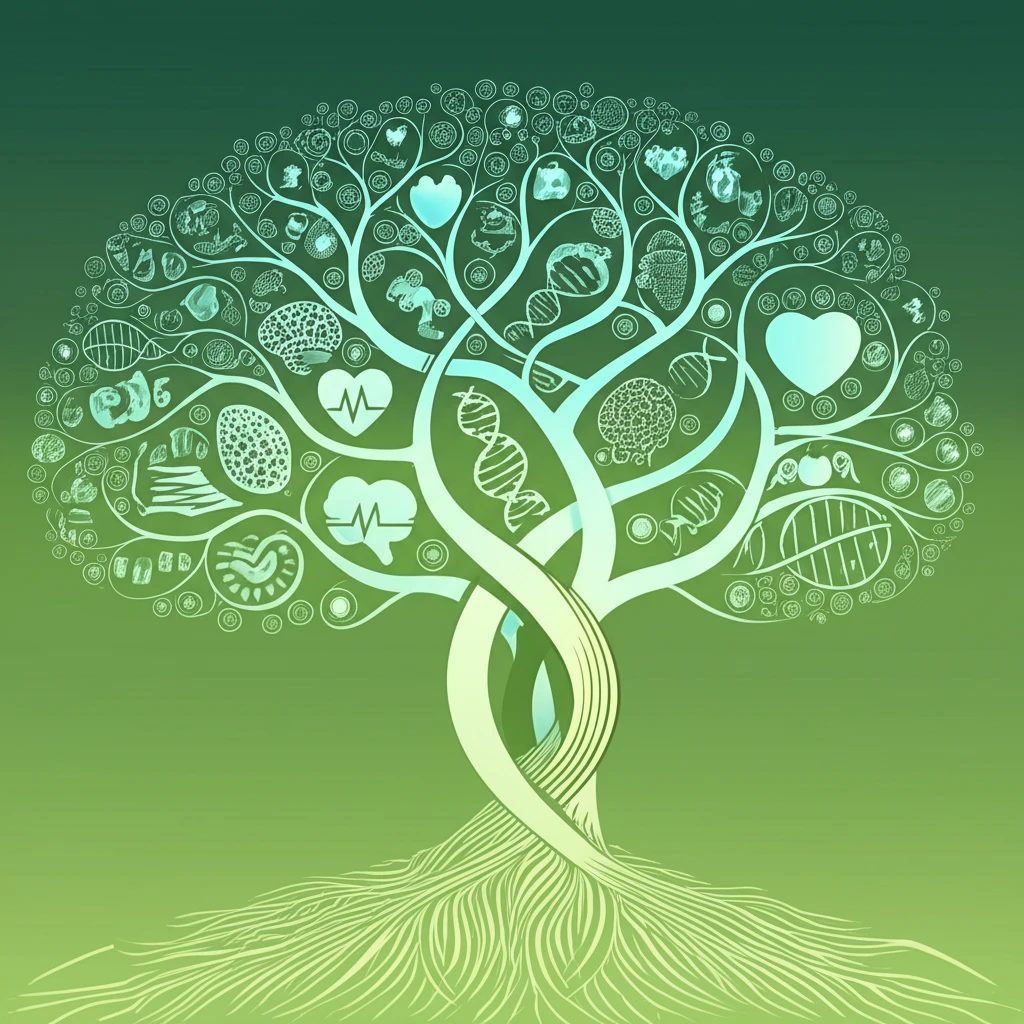
Illustration of a family tree with interwoven branches, representing the importance of family health history for proactive health management. Includes symbolic elements such as a heart and DNA strands.

Unlock Your Family's Health: Why Knowing Your Family History Is Your Best Defense

"Discover how understanding your family's medical past can be a powerful tool for a healthier future. Learn the essential steps to gather and use this vital information, and how it can empower you to take control of your well-being."


In a world where medical advancements are constantly evolving, one of the most powerful tools for safeguarding your health might surprise you: your family history. Understanding your family's medical past isn't just about knowing where you come from; it's about understanding your future health risks and how to proactively manage them. This knowledge empowers you to make informed decisions, take preventative measures, and work with your healthcare provider to develop a personalized health plan.

Family health history is a non-modifiable risk factor for numerous chronic diseases, including heart disease, diabetes, certain cancers, and asthma. While you can't change your genes, you can use this information to understand your predispositions and take steps to mitigate those risks. This article serves as your guide to understanding why family history matters, how to gather the information, and how to use it to make informed decisions about your health.

This information is not just for you; it's a legacy of health for generations to come. By understanding your family's health history, you can proactively manage your health, identify potential risks, and empower yourself to live a longer, healthier life. This is not just about reacting to illness; it's about taking charge and building a foundation for a vibrant future.

Unveiling Your Family's Health Story: The Why, What, and How

Illustration of a family tree with interwoven branches, representing the importance of family health history for proactive health management. Includes symbolic elements such as a heart and DNA strands.

The first step in harnessing the power of your family health history is understanding why it matters. Your genes play a significant role in your susceptibility to various diseases. By knowing which diseases have affected your relatives, you gain valuable insights into your potential risks. This knowledge allows you to take proactive steps, such as making lifestyle changes, undergoing early screenings, and working with your doctor to develop a personalized health plan.

Think of your family history as a treasure map to your health. It provides clues about potential health challenges and empowers you to take control of your well-being. This information can guide you in making informed decisions about your lifestyle, diet, and exercise, and it can also alert you to the need for regular screenings and check-ups.

  • Identify Potential Risks: Knowing your family history helps you identify diseases and conditions that you may be at a higher risk of developing.
  • Early Detection: Early detection through screenings and check-ups can significantly improve treatment outcomes and increase your chances of survival.
  • Personalized Healthcare: Your family history informs your doctor about your unique health profile, allowing them to tailor your healthcare plan to your specific needs.
  • Lifestyle Modifications: Understanding your risks can motivate you to make positive lifestyle changes, such as adopting a healthy diet, exercising regularly, and quitting smoking.
Gathering your family health history may seem daunting, but with a systematic approach, it can be straightforward. Start by talking to your close relatives, such as parents, siblings, grandparents, aunts, uncles, and cousins. Ask them about any significant medical conditions they have experienced, the age at which they were diagnosed, and any relevant risk factors, such as smoking or obesity. Note the details of any diseases in your family, including heart disease, diabetes, cancer, and other conditions. Include information about causes of death and the age at which your relatives passed away. A family health history can be an ongoing project that you continue to update. If you have access to medical records, gather them to support the information.

Empowering Your Health: Taking Action Today

Understanding and utilizing your family health history is a proactive step towards a healthier and more informed future. Take the initiative to gather information, share it with your healthcare provider, and make informed decisions about your health. Your health is your most valuable asset, and by understanding your family's medical past, you can take control of your well-being. Make today the day you start writing your own health story, one that prioritizes knowledge, prevention, and a vibrant, healthy life. Remember, the more you know, the better you can plan for a future filled with wellness and vitality.

About this Article -

This article was crafted using a human-AI hybrid and collaborative approach. AI assisted our team with initial drafting, research insights, identifying key questions, and image generation. Our human editors guided topic selection, defined the angle, structured the content, ensured factual accuracy and relevance, refined the tone, and conducted thorough editing to deliver helpful, high-quality information.See our About page for more information.

Everything You Need To Know

1

Why is understanding my family health history so important?

Understanding your family health history is crucial because it helps identify potential risks for diseases like heart disease, diabetes, certain cancers, and asthma. While you can't change your genes, this knowledge allows you to take proactive steps like lifestyle changes, early screenings, and personalized healthcare plans to mitigate those risks and improve your overall health outcomes. This also creates a legacy of health information for future generations.

2

What specific details should I gather when collecting my family health history?

When gathering your family health history, collect detailed information about significant medical conditions experienced by your relatives, such as parents, siblings, grandparents, aunts, uncles, and cousins. Note the age at which they were diagnosed, relevant risk factors like smoking or obesity, and specific details of diseases like heart disease, diabetes, and cancer. Also, include information about causes of death and the age at which relatives passed away. If available, supplement this with medical records.

3

How can knowing my family health history lead to personalized healthcare?

Your family health history informs your doctor about your unique health profile, allowing them to tailor your healthcare plan to your specific needs. For instance, if there's a history of heart disease, your doctor may recommend earlier and more frequent screenings. If there is a presence of diabetes they may recommend a special diet or exercises. This personalized approach ensures you receive the most appropriate and effective care based on your individual risk factors and predispositions.

4

Besides medical treatments, what other actions can I take based on my family health history?

Understanding your family health history can motivate you to make positive lifestyle modifications. For example, if there's a history of heart disease or diabetes, you can adopt a healthy diet, exercise regularly, and maintain a healthy weight. If there is a history of lung cancer you can get support to quit smoking. These proactive changes can significantly reduce your risk of developing similar conditions and improve your overall well-being.

5

What is the long-term impact of collecting and utilizing family health history, and how does it extend beyond individual health benefits?

Collecting and utilizing family health history creates a legacy of health information for future generations. By understanding your family's medical past, you empower your children and other relatives to proactively manage their health, identify potential risks, and make informed decisions about their well-being. This contributes to a healthier family lineage, promoting prevention and a vibrant future for all its members. This also serves as a foundation for more informed medical research, potentially benefiting wider communities through improved diagnostics and treatment strategies.

Newsletter Subscribe

Subscribe to get the latest articles and insights directly in your inbox.