
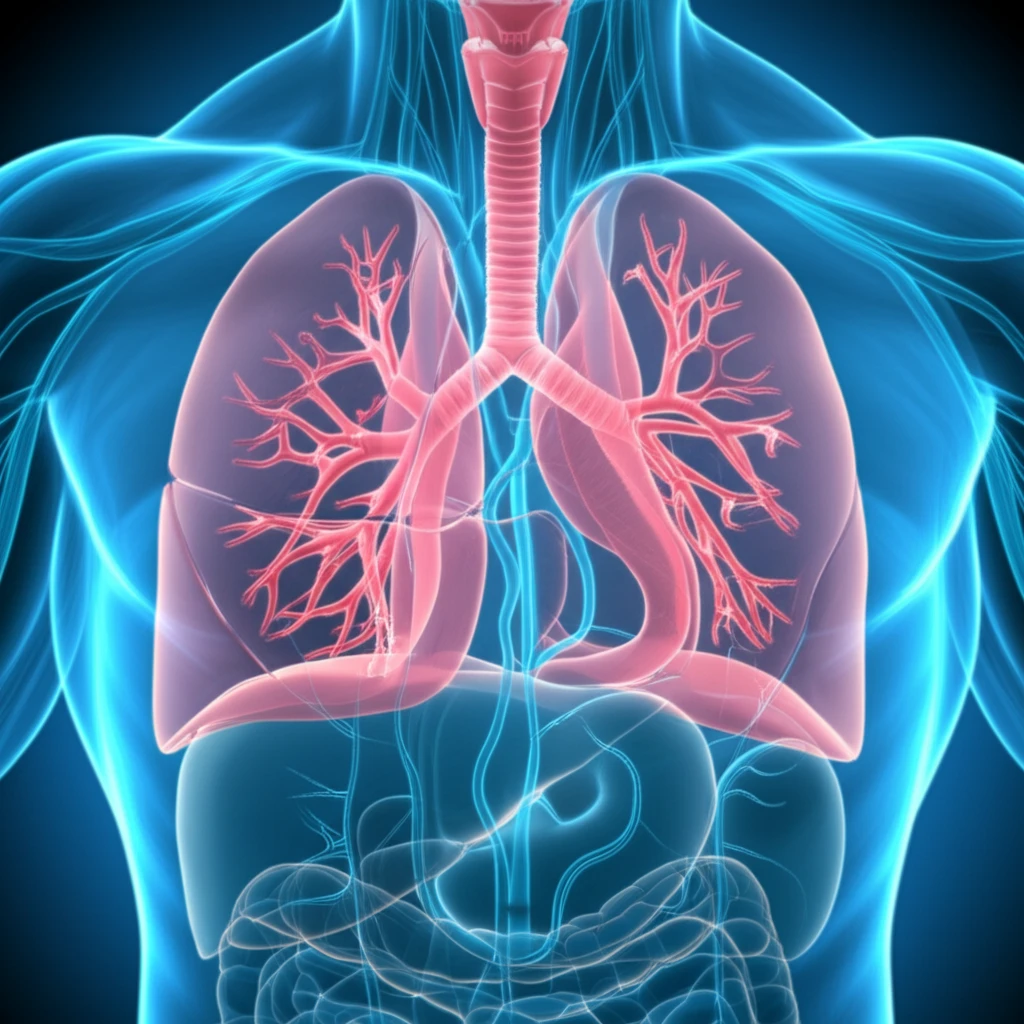
Electrical stimulation of the diaphragm to improve breathing.

Unlock Your Breathing Potential: Can Electrical Stimulation Boost Respiratory Strength?

"A systematic review explores how transcutaneous electrical diaphragmatic stimulation (TEDS) can enhance respiratory muscle function and lung capacity."


Feeling breathless after mild activity or struggling with a chronic respiratory condition? The key to easier breathing might lie in strengthening your diaphragm. Transcutaneous electrical diaphragmatic stimulation (TEDS) is emerging as a promising technique in respiratory physiotherapy. This non-invasive method uses rhythmic electrical pulses to stimulate the diaphragm, potentially improving lung function and overall respiratory strength.

TEDS works by creating a negative pressure within the chest cavity, which can enhance both lung ventilation and cardiovascular function. This makes it a valuable tool for those seeking to improve their respiratory health. But how effective is TEDS in boosting respiratory muscle strength and lung capacity?

To answer this question, a systematic review analyzed clinical trials examining the effects of TEDS on respiratory muscle strength and lung volumes. This article breaks down the findings of this review, offering insights into the potential benefits of TEDS for various populations.

Decoding TEDS: How Does Electrical Stimulation Enhance Breathing?

Electrical stimulation of the diaphragm to improve breathing.

The systematic review examined studies published between 2003 and 2013, pulling data from databases like LILACS, SciELO, MedLine, and PEDro. Researchers focused on clinical trials that assessed the impact of TEDS on adults, both healthy and those with respiratory issues. They analyzed outcomes related to respiratory muscle strength and lung capacity.

The review focused on identifying and analyzing relevant clinical trials. The search strategy centered around keywords like "diaphragm", "respiratory muscles", "physical therapy", and "electrical stimulation" to ensure all relevant studies were considered. Studies included in the review met specific criteria, focusing on the application of TEDS as a respiratory physiotherapy protocol in adult participants. The researchers excluded studies involving children, animal models, and those lacking full-text availability.

The review included six studies with a total of 105 participants, ranging in age from 20 to 75 years. Here's what they found:
  • Significant Improvement: TEDS led to statistically significant increases in maximal inspiratory pressure (MIP) and maximal expiratory pressure (MEP).
  • Enhanced Lung Function: Participants experienced improvements in tidal volume (TV) and inspiratory and expiratory reserve volumes.
  • Broad Applicability: The benefits of TEDS were observed in healthy individuals, those with chronic respiratory diseases, and patients recovering from surgery.
These findings suggest that TEDS can be a valuable tool for improving respiratory muscle strength and lung function across a variety of populations.

TEDS: A Promising Avenue for Enhanced Breathing?

This systematic review provides evidence that TEDS can be an effective method for improving respiratory muscle strength and lung function. While further research is needed to solidify these findings, TEDS offers a promising avenue for individuals seeking to optimize their respiratory health. Talk to your doctor or a qualified respiratory therapist to see if TEDS is right for you.

About this Article -

This article was crafted using a human-AI hybrid and collaborative approach. AI assisted our team with initial drafting, research insights, identifying key questions, and image generation. Our human editors guided topic selection, defined the angle, structured the content, ensured factual accuracy and relevance, refined the tone, and conducted thorough editing to deliver helpful, high-quality information.See our About page for more information.

Everything You Need To Know

1

What is Transcutaneous Electrical Diaphragmatic Stimulation (TEDS) and how does it work?

Transcutaneous electrical diaphragmatic stimulation (TEDS) is a non-invasive technique used in respiratory physiotherapy. It involves applying rhythmic electrical pulses to the diaphragm, the primary muscle responsible for breathing. The electrical stimulation creates a negative pressure within the chest cavity. This action improves lung ventilation, strengthens respiratory muscles, and can enhance cardiovascular function. The pulses stimulate the diaphragm to contract, which in turn assists in improving lung function and overall respiratory strength.

2

What were the key findings regarding the effectiveness of TEDS on respiratory muscle strength and lung capacity?

A systematic review of studies published between 2003 and 2013 evaluated the impact of TEDS. The review, which included six studies and 105 participants, revealed significant improvements in maximal inspiratory pressure (MIP) and maximal expiratory pressure (MEP). Furthermore, the review showed enhanced lung function, with improvements in tidal volume (TV) and inspiratory and expiratory reserve volumes. These findings suggest that TEDS can effectively improve respiratory muscle strength and lung function.

3

Who might benefit from TEDS and what conditions could it help?

The benefits of Transcutaneous electrical diaphragmatic stimulation (TEDS) were observed across diverse populations. It can be beneficial for healthy individuals looking to optimize their respiratory health, those with chronic respiratory diseases, and patients recovering from surgery. TEDS can help to strengthen the diaphragm and improve lung function in various scenarios, potentially easing breathing difficulties and improving overall respiratory health.

4

How was the research on TEDS conducted, and what search criteria were used to find relevant studies?

The systematic review searched databases like LILACS, SciELO, MedLine, and PEDro for clinical trials published between 2003 and 2013. The search strategy included keywords like "diaphragm", "respiratory muscles", "physical therapy", and "electrical stimulation" to ensure all relevant studies were considered. Studies included in the review focused on the application of TEDS as a respiratory physiotherapy protocol in adult participants. Studies involving children, animal models, and those lacking full-text availability were excluded.

5

What are the potential implications and future directions for the use of Transcutaneous Electrical Diaphragmatic Stimulation (TEDS)?

The findings suggest that TEDS can be a valuable tool for improving respiratory muscle strength and lung function. While further research is needed to solidify these findings, TEDS offers a promising avenue for individuals seeking to optimize their respiratory health. This non-invasive technique has the potential to improve the quality of life for those with respiratory issues. Further research could explore optimal stimulation parameters, long-term effects, and its application in different patient populations. Consulting with a doctor or a qualified respiratory therapist is recommended to determine if TEDS is a suitable treatment option.

Newsletter Subscribe

Subscribe to get the latest articles and insights directly in your inbox.