
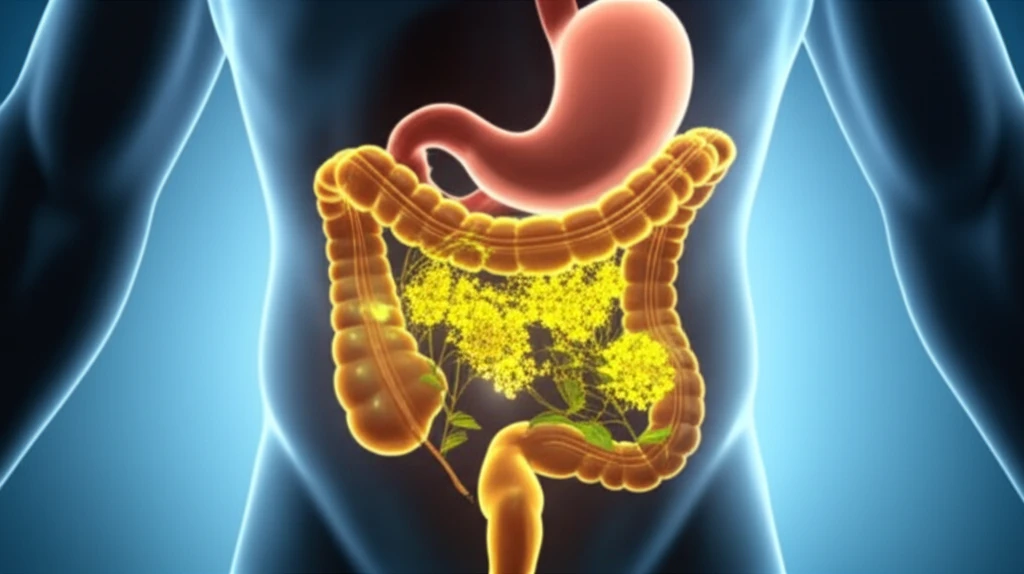
Glowing rapeseed plants inside the digestive system, symbolizing antioxidant release.

Unlock the Power of Rapeseed: How Digestion Releases Antioxidant Superpowers

"Boost your health with nature's hidden gem: Learn how digesting rapeseed unlocks potent antioxidants for a stronger, healthier you."


In the quest for optimal health, we often overlook the incredible potential hidden within nature's everyday offerings. Rapeseed, primarily known for its oil, holds a treasure trove of proteins that, when properly unlocked, can offer significant antioxidant benefits. Imagine a readily available, natural source that not only nourishes but also actively combats oxidative stress within your body.

This article dives deep into the fascinating process of how our digestive system can transform rapeseed proteins into powerful antioxidants. We'll explore the science behind this transformation, focusing on how simulated gastrointestinal digestion unlocks these hidden benefits. Whether you're a health enthusiast, a curious foodie, or someone seeking natural ways to enhance your well-being, this is for you.

Think of it as a step-by-step journey through the digestive tract, where proteins are broken down and antioxidant properties are released, ultimately absorbed to help keep your body in top condition. Prepare to discover how rapeseed, a seemingly ordinary plant, can be an extraordinary source of health-boosting compounds.

How Does Digestion Unleash Rapeseed's Antioxidant Power?

Glowing rapeseed plants inside the digestive system, symbolizing antioxidant release.

The magic happens through a process that mimics the natural breakdown of proteins during digestion. Scientists have been studying how rapeseed proteins (RSPs) behave when subjected to conditions similar to those in our stomach and intestines. This involves using enzymes like pepsin and trypsin to simulate the digestion process, breaking down the proteins into smaller peptides and amino acids.

During this simulated digestion, researchers carefully monitor several key factors:

  • Degree of Hydrolysis (DH): Measures how much the proteins are broken down. A higher DH indicates more protein breakdown.
  • Surface Hydrophobicity (H0): Indicates how the protein interacts with water, which affects its behavior in the body.
  • Antioxidant Activities: Tests to see how well the digested proteins can scavenge harmful free radicals.
  • Molecular Weight (MW) Distributions: Identifies the sizes of the protein fragments after digestion.
The results of these studies are fascinating. As rapeseed proteins are digested, their antioxidant capabilities significantly increase. This means that the peptides and amino acids released during digestion are actively fighting oxidative stress, which is a major contributor to aging and various diseases.

Unlock Your Health Potential with Rapeseed

The research clearly demonstrates that rapeseed proteins are not just a source of nourishment but also a potential powerhouse of antioxidants. By understanding how digestion unlocks these benefits, we can explore new ways to incorporate rapeseed into our diets and tap into its health-boosting capabilities. From reducing oxidative stress to supporting overall well-being, rapeseed offers a promising avenue for natural health enhancement. Stay tuned as we continue to uncover nature's secrets and bring you the latest insights for a healthier, happier life.

About this Article -

This article was crafted using a human-AI hybrid and collaborative approach. AI assisted our team with initial drafting, research insights, identifying key questions, and image generation. Our human editors guided topic selection, defined the angle, structured the content, ensured factual accuracy and relevance, refined the tone, and conducted thorough editing to deliver helpful, high-quality information.See our About page for more information.

This article is based on research published under:

DOI-LINK: 10.1016/j.lwt.2017.08.026, Alternate LINK

Title: Protein Breakdown And Release Of Antioxidant Peptides During Simulated Gastrointestinal Digestion And The Absorption By Everted Intestinal Sac Of Rapeseed Proteins

Subject: Food Science

Journal: LWT

Publisher: Elsevier BV

Authors: Chunhua Dai, Weiwei Zhang, Ronghai He, Feng Xiong, Haile Ma

Published: 2017-12-01

Everything You Need To Know

1

How does the digestion of rapeseed work to provide health benefits?

The process begins with the digestion of Rapeseed Proteins (RSPs). Scientists use enzymes like pepsin and trypsin to simulate the breakdown of the proteins. This mimics the stomach and intestines' natural environment. This process breaks down the RSPs into smaller peptides and amino acids. This simulated digestion is crucial because it unlocks the antioxidant potential within the Rapeseed Proteins.

2

Why are Rapeseed Proteins (RSPs) significant in the context of health?

Rapeseed Proteins (RSPs) are important because they contain hidden antioxidant properties. Digestion, especially simulated gastrointestinal digestion, is key. It transforms the RSPs into forms that can actively fight oxidative stress. This stress contributes to aging and diseases. The increased antioxidant activity during digestion means your body can better combat harmful free radicals. This highlights Rapeseed's potential as a source of health-boosting compounds.

3

What key factors are monitored during the digestion process of Rapeseed Proteins (RSPs)?

The degree of hydrolysis (DH) measures how much the Rapeseed Proteins (RSPs) are broken down during digestion. A higher DH signifies more protein breakdown. The surface hydrophobicity (H0) indicates how the proteins interact with water. This affects their behavior in the body. Antioxidant activities are tested to determine how effectively digested proteins can scavenge harmful free radicals. Finally, molecular weight (MW) distributions identify the sizes of the protein fragments after digestion.

4

What are the implications of Rapeseed Proteins (RSPs) digestion?

The simulated digestion of Rapeseed Proteins (RSPs) increases their antioxidant capabilities. Peptides and amino acids released during digestion actively fight oxidative stress. This stress is a major contributor to aging and various diseases. By understanding this process, we can explore how to incorporate Rapeseed into our diets and tap into its health-boosting capabilities. It supports overall well-being by reducing oxidative stress. Rapeseed provides a natural way to enhance health.

5

What is the purpose of simulated gastrointestinal digestion in the context of Rapeseed Proteins (RSPs)?

Simulated gastrointestinal digestion is used to study how Rapeseed Proteins (RSPs) behave during digestion. Researchers use enzymes like pepsin and trypsin. These enzymes mimic the conditions in the stomach and intestines. This method helps scientists understand how RSPs break down into smaller, active components. These components then provide antioxidant benefits. This understanding is vital for utilizing the health benefits of Rapeseed more effectively.

Newsletter Subscribe

Subscribe to get the latest articles and insights directly in your inbox.