
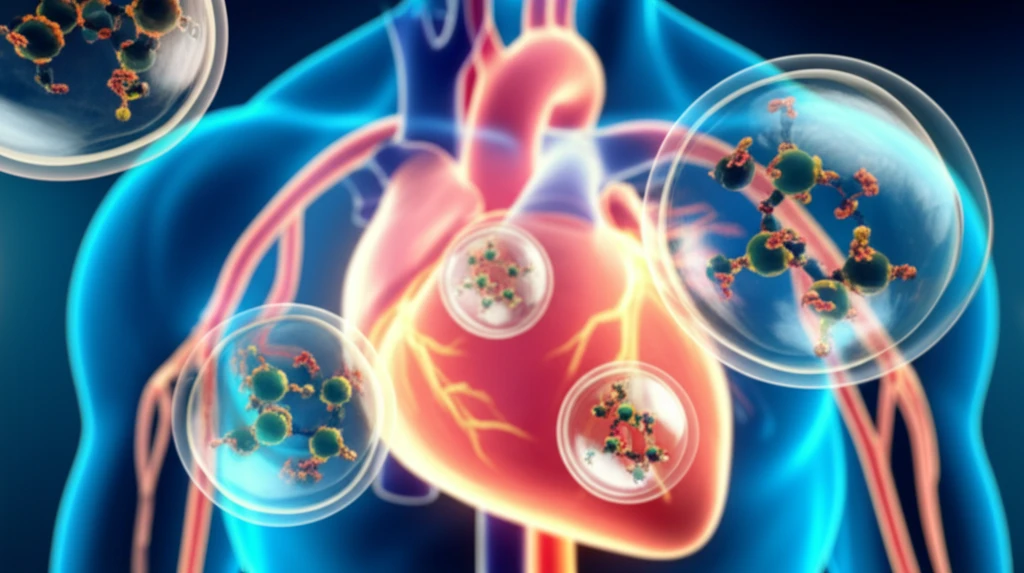
Microscopic view of liposomes encapsulating phytosterols, promoting heart health.

Unlock the Power of Phytosterols: A Beginner's Guide to Encapsulation and Liposomes

"Maximize the health benefits of plant sterols by understanding how liposome encapsulation enhances delivery and effectiveness."


In the ever-evolving landscape of health and nutrition, phytosterols have emerged as key players in promoting cardiovascular wellness. Naturally found in plant-based foods, these compounds are celebrated for their ability to lower cholesterol levels, thus reducing the risk of heart disease. However, the effectiveness of phytosterols can be significantly enhanced through advanced delivery methods, particularly liposome encapsulation.

Liposomes, microscopic spherical vesicles, offer a promising solution to improve the bioavailability and targeted delivery of phytosterols. By encapsulating these compounds within liposomes, we can protect them from degradation in the digestive system, enhance their absorption, and ensure they reach the specific cells and tissues where they are needed most. This innovative approach unlocks the full potential of phytosterols, making them more accessible and effective for those seeking to improve their health.

This article delves into the fascinating world of phytosterol encapsulation using liposomes. Whether you’re a health enthusiast, a nutrition professional, or simply curious about the latest advancements in health science, this guide will provide you with a comprehensive understanding of how liposome encapsulation works and why it is set to revolutionize the way we harness the power of phytosterols.

What are Phytosterols and Why are They Important?

Microscopic view of liposomes encapsulating phytosterols, promoting heart health.

Phytosterols, also known as plant sterols, are natural compounds found in various plant-based foods such as vegetables, fruits, nuts, seeds, and grains. Structurally similar to cholesterol, phytosterols play a crucial role in managing cholesterol levels in the body. By inhibiting the absorption of cholesterol in the small intestine, phytosterols help reduce LDL (bad) cholesterol, thereby lowering the risk of heart disease.

The health benefits of phytosterols have been extensively studied and well-documented. Regular consumption of phytosterols, particularly within the recommended intake of 2-2.5 grams per day, can lead to a significant reduction in plasma low-density lipoprotein (LDL) content by 10-14%. This makes phytosterols a valuable addition to a heart-healthy diet.

Key benefits of phytosterols:
  • Lowers LDL (bad) cholesterol levels
  • Reduces the risk of heart disease
  • Supports overall cardiovascular health
Common types of phytosterols include beta-sitosterol, campesterol, and stigmasterol, each contributing to the overall cholesterol-lowering effect. While a balanced diet can provide some phytosterols, supplementation and enhanced delivery methods like liposome encapsulation can further boost their efficacy. Understanding the role and benefits of phytosterols is the first step in leveraging their potential for better health.

The Future of Phytosterols: Innovations in Encapsulation

Liposome encapsulation represents a significant leap forward in optimizing the delivery and effectiveness of phytosterols. As research continues, we can expect further innovations that refine this method, making it even more accessible and beneficial for consumers. By harnessing the power of liposomes, we can unlock the full potential of phytosterols for improved heart health and overall wellness. Embracing these advancements ensures that you're at the forefront of nutritional science, equipped to make informed decisions about your health.

About this Article -

This article was crafted using a human-AI hybrid and collaborative approach. AI assisted our team with initial drafting, research insights, identifying key questions, and image generation. Our human editors guided topic selection, defined the angle, structured the content, ensured factual accuracy and relevance, refined the tone, and conducted thorough editing to deliver helpful, high-quality information.See our About page for more information.

This article is based on research published under:

DOI-LINK: 10.1039/c7fo00905d, Alternate LINK

Title: Encapsulation Of Phytosterols And Phytosterol Esters In Liposomes Made With Soy Phospholipids By High Pressure Homogenization

Subject: General Medicine

Journal: Food & Function

Publisher: Royal Society of Chemistry (RSC)

Authors: Fan C. Wang, Nuria Acevedo, Alejandro G. Marangoni

Published: 2017-01-01

Everything You Need To Know

1

What are Phytosterols?

Phytosterols, also known as plant sterols, are naturally occurring compounds found in plant-based foods. They are structurally similar to cholesterol and work by inhibiting the absorption of cholesterol in the small intestine. This process reduces LDL (bad) cholesterol levels, which in turn lowers the risk of heart disease. Common types of phytosterols include beta-sitosterol, campesterol, and stigmasterol.

2

What is Liposome Encapsulation?

Liposome encapsulation is a method that significantly enhances the delivery and effectiveness of phytosterols. Liposomes are microscopic spherical vesicles that encapsulate phytosterols, protecting them from degradation in the digestive system. This allows for improved absorption and ensures that the phytosterols reach the cells and tissues where they are most needed. Without this protection, the benefits of the Phytosterols are limited.

3

Why are Phytosterols important?

Phytosterols are important because they play a crucial role in managing cholesterol levels and promoting cardiovascular wellness. By lowering LDL (bad) cholesterol, phytosterols reduce the risk of heart disease. Regular intake, especially around the recommended 2-2.5 grams per day, can lead to a significant reduction in LDL cholesterol content, thus supporting overall heart health. This is significant because heart disease is a major health concern globally.

4

What are the implications of encapsulating phytosterols in Liposomes?

The implications of using liposome encapsulation for phytosterols are substantial. By improving the bioavailability of phytosterols, liposomes ensure that a higher concentration of these compounds is absorbed and utilized by the body. This enhanced delivery method maximizes the cholesterol-lowering effect and overall health benefits. This approach could revolutionize how we use phytosterols and is at the forefront of nutritional science. This also allows for better dosage control and more targeted treatments.

5

What are the key benefits of Phytosterols?

The key benefits of phytosterols include lowering LDL (bad) cholesterol levels, reducing the risk of heart disease, and supporting overall cardiovascular health. By incorporating phytosterols into a heart-healthy diet, individuals can significantly improve their cardiovascular wellness. With advances like liposome encapsulation, the efficacy and accessibility of phytosterols are increased, making them an even more valuable tool for health.

Newsletter Subscribe

Subscribe to get the latest articles and insights directly in your inbox.