
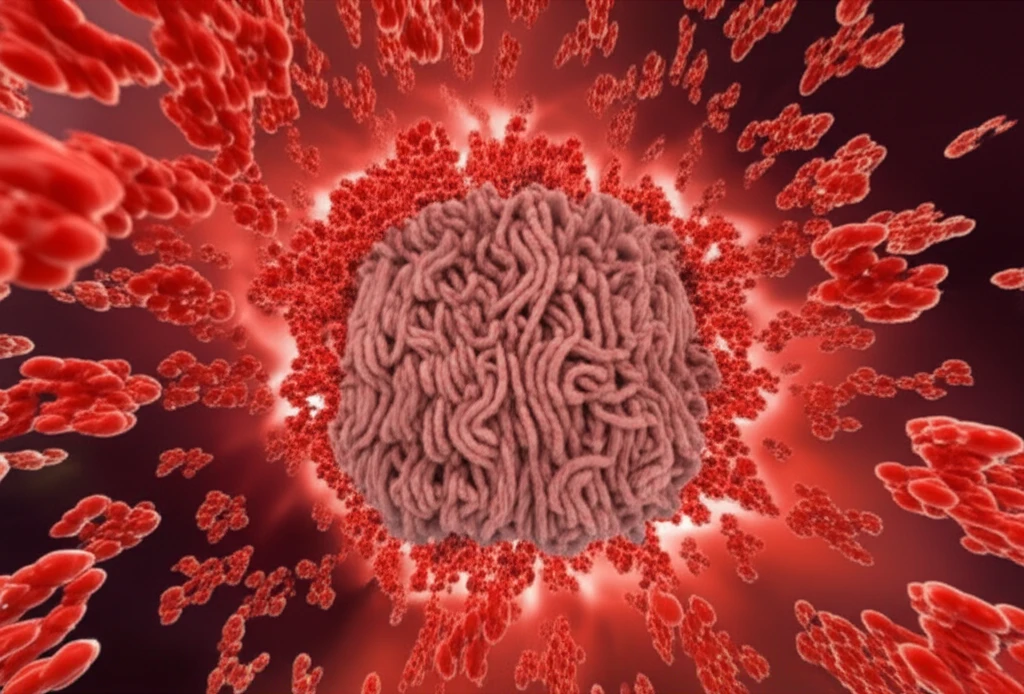
Astaxanthin shield protecting pork

Unlock the Power of Astaxanthin: Can This Antioxidant Keep Your Pork Fresher, Longer?

"Discover how astaxanthin, a potent antioxidant, might revolutionize the way we preserve meat, enhancing color and extending shelf life. But is it a game-changer for your next BBQ?"


In today's world, where health consciousness and environmental awareness are on the rise, consumers are increasingly seeking natural alternatives to traditional food preservatives. Pork, a staple in many diets, faces the challenge of maintaining its freshness and appealing color during refrigerated storage. Oxidation, a natural process, can degrade the quality of pork, leading to discoloration and reduced consumer appeal.

Enter astaxanthin, a vibrant, naturally occurring antioxidant found in algae like Haematococcus pluvialis. Renowned for its potent antioxidant properties, astaxanthin has captured the attention of food scientists exploring innovative ways to preserve meat. Research suggests that astaxanthin could combat oxidation, potentially enhancing the color stability and extending the shelf life of pork.

This article delves into the exciting possibilities of using astaxanthin as a natural preservative for pork. We'll explore how it works, the benefits it offers, and whether it lives up to the hype as a game-changer in meat preservation.

Astaxanthin: The Natural Shield for Fresher Pork?

Astaxanthin shield protecting pork

Astaxanthin's power lies in its unique molecular structure, enabling it to neutralize free radicals – unstable molecules that trigger oxidation. By scavenging these free radicals, astaxanthin helps to slow down the degradation processes that affect the color and overall quality of pork. This is particularly important in ground pork, which, due to its increased surface area, is more susceptible to oxidation.

A recent study investigated the impact of adding Haematococcus pluvialis extract, rich in astaxanthin, to raw ground pork during refrigerated storage. The research team explored various concentrations of the extract to determine the optimal level for preserving the meat's quality. Here's what they discovered:

  • Color Enhancement: Astaxanthin appeared to stabilize the vibrant red color of the pork, making it more visually appealing to consumers.
  • Oxidation Control: Higher concentrations of astaxanthin extract effectively delayed lipid oxidation, preventing the meat from turning rancid.
  • Consumer Appeal: Taste testers reported a positive effect on meat acceptance, suggesting that astaxanthin not only preserves the meat but also enhances its desirability.
While the results are promising, it's important to note that the study found no significant antimicrobial activity or impact on myoglobin oxidation. Myoglobin is a protein responsible for the color of meat, and its oxidation can lead to discoloration. This suggests that astaxanthin's primary benefit lies in its ability to combat lipid oxidation rather than directly affecting protein-related color changes.

The Future of Natural Meat Preservation

Astaxanthin presents a compelling opportunity to enhance the quality and appeal of pork using a natural approach. As consumers become increasingly discerning about the ingredients in their food, astaxanthin could become a valuable tool for meat producers seeking to meet the demand for fresher, more natural products. Further research is needed to explore its full potential, optimize its application, and address any limitations. However, the initial findings suggest that astaxanthin could play a significant role in the future of meat preservation.

About this Article -

This article was crafted using a human-AI hybrid and collaborative approach. AI assisted our team with initial drafting, research insights, identifying key questions, and image generation. Our human editors guided topic selection, defined the angle, structured the content, ensured factual accuracy and relevance, refined the tone, and conducted thorough editing to deliver helpful, high-quality information.See our About page for more information.

This article is based on research published under:

DOI-LINK: 10.1016/j.meatsci.2017.09.002, Alternate LINK

Title: Antioxidant Potential Of Haematococcus Pluvialis Extract Rich In Astaxanthin On Colour And Oxidative Stability Of Raw Ground Pork Meat During Refrigerated Storage

Subject: Food Science

Journal: Meat Science

Publisher: Elsevier BV

Authors: Ewelina Pogorzelska, Jolanta Godziszewska, Marta Brodowska, Agnieszka Wierzbicka

Published: 2018-01-01

Everything You Need To Know

1

What is astaxanthin and how does it work to preserve pork?

Astaxanthin is a naturally occurring, potent antioxidant found in algae like Haematococcus pluvialis. It works by neutralizing free radicals, which are unstable molecules that trigger oxidation. By scavenging these free radicals, astaxanthin helps to slow down the degradation processes that affect the color and overall quality of pork, particularly in ground pork, which is more susceptible to oxidation due to its increased surface area. This action contributes to the preservation of the meat's freshness and visual appeal.

2

What are the key benefits of using astaxanthin in pork preservation, according to the research?

The study highlighted three primary benefits. Firstly, astaxanthin was found to stabilize the vibrant red color of the pork, enhancing its visual appeal. Secondly, higher concentrations of Haematococcus pluvialis extract, rich in astaxanthin, effectively delayed lipid oxidation, which prevents the meat from turning rancid. Thirdly, taste testers reported a positive effect on meat acceptance, suggesting that astaxanthin not only preserves the meat but also enhances its desirability. These findings suggest that astaxanthin is a promising natural preservative.

3

How does astaxanthin's effect on lipid oxidation differ from its effect on myoglobin oxidation in pork?

Astaxanthin effectively combats lipid oxidation, a process where fats in the pork degrade, leading to rancidity and off-flavors. However, the research indicated that astaxanthin did not significantly impact myoglobin oxidation. Myoglobin is a protein that is responsible for the red color of meat, and its oxidation can cause discoloration. This suggests that while astaxanthin excels at preventing fat degradation, it may not directly address protein-related color changes in pork.

4

What role does Haematococcus pluvialis play in the context of astaxanthin and pork preservation?

Haematococcus pluvialis is a type of algae that is a rich source of astaxanthin. In the study, the research team used extract from Haematococcus pluvialis to explore the effects of astaxanthin on pork. The extract was added to raw ground pork, and its impact on color stability, lipid oxidation, and consumer acceptance was evaluated. This demonstrates that Haematococcus pluvialis serves as the source of astaxanthin used to preserve pork.

5

Considering the study's findings, what are the implications of using astaxanthin for the future of pork preservation, and what further research is needed?

The study suggests that astaxanthin can be a valuable natural tool for enhancing the quality and appeal of pork. As consumers seek more natural ingredients, astaxanthin could help meat producers meet this demand. The initial findings are promising, but further research is needed to explore its full potential, optimize its application, and address any limitations. Further studies could investigate the impact of astaxanthin on different types of pork cuts, ideal dosage levels, and long-term storage effects. Additional research could explore the potential for astaxanthin to be used in combination with other preservation methods to enhance its effectiveness.

Newsletter Subscribe

Subscribe to get the latest articles and insights directly in your inbox.